





Nafpaktos
Venetian port town with a historic castle on the Gulf of Corinth
History and Cultural Heritage
Nafpaktos boasts a 3,500-year history marked by its strategic importance in the Corinthian Gulf. In ancient times, it was a central hub for the Aetolian Confederacy and a frequent point of contention among Greek powers, including Spartans, Athenians, and Macedonians. The town served as a critical departure point for the Dorians crossing to the Peloponnese. One of its most significant ancient achievements was the dedication of the Statue of Nike by Paionios of Mende to commemorate the victory over the Spartans in 421 BC, a masterpiece of Hellenistic sculpture now housed in the Olympia Museum.
The town’s medieval history is defined by Venetian rule, which left an indelible mark on its architecture and urban layout. The most pivotal event in its modern history was the 1571 Battle of Lepanto, a decisive naval clash between the Ottoman Empire and the Holy League. This battle, fought in the waters just offshore, was a turning point in the Ottoman expansion into Europe. The Spanish writer Miguel de Cervantes, who fought in the battle and lost the use of his left hand, immortalized the event in Don Quixote. The town’s strategic location and military significance have shaped its identity, preserving a rich tapestry of Greek, Roman, Byzantine, Venetian, and Ottoman heritage.
Main Attractions
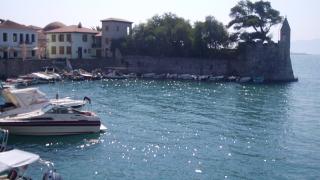
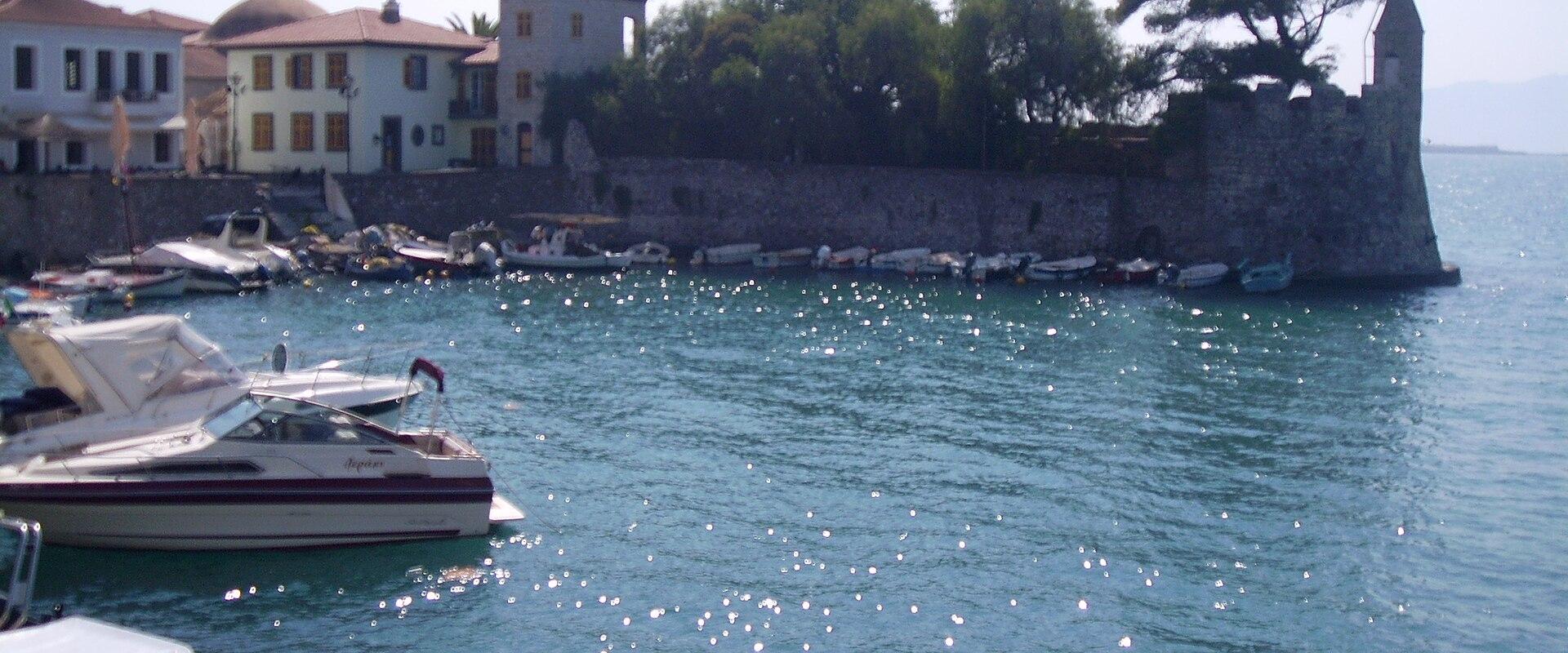
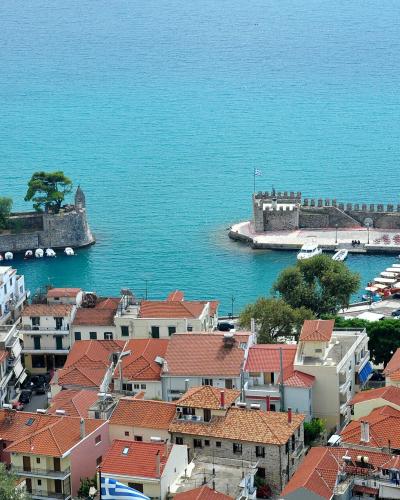
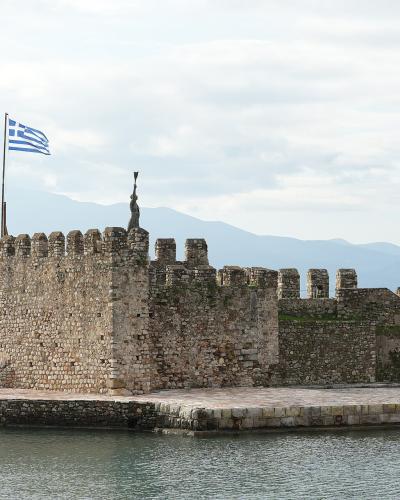
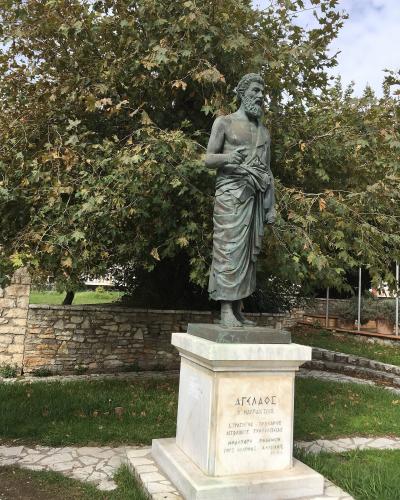
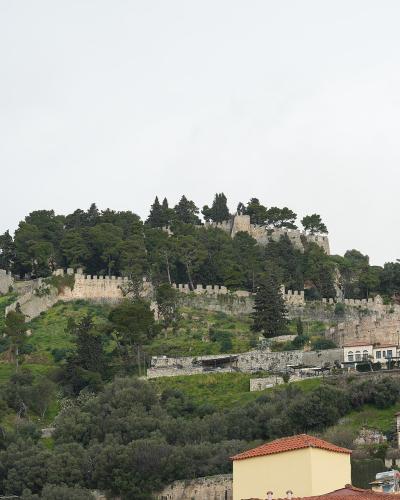
The heart of Nafpaktos is its well-preserved Venetian harbor, a picturesque scene of colorful buildings and fishing boats. A prominent feature here is the statue of Miguel de Cervantes, commemorating his involvement in the Battle of Lepanto. Dominating the town is the Nafpaktos Castle, a massive Venetian fortress perched on a hill. Built in the 15th century, the castle offers panoramic views of the Gulf of Corinth and the surrounding Peloponnese. Inside the fortress walls, visitors can explore the Tower of Botsaris, named after the Greek hero Markos Botsaris, and the Fethiye Mosque, a testament to the town’s Ottoman period. The historic town center features narrow, cobblestone streets lined with neoclassical mansions and traditional squares, creating a charming atmosphere for exploration. The Archaeological Museum of Nafpaktos houses artifacts from the ancient to the Byzantine eras, providing context to the town’s long history.
Activities
Visitors to Nafpaktos can engage in a variety of activities that highlight its history and natural beauty. Walking through the old town allows for the discovery of hidden alleys, historic monuments, and local shops. The coastal promenade offers a peaceful setting for strolls with views of the harbor and the sea. For those interested in history, visiting the castle and the museums provides a deep dive into the town’s military past. The nearby beaches, including the long sandy beach in front of the town, offer opportunities for swimming and sunbathing. Boat trips along the coast allow visitors to view the town from the sea and explore nearby islands. The relaxed atmosphere and authentic Greek cuisine, particularly fresh seafood served in waterfront tavernas, make dining a key part of the experience. The town’s proximity to the mountains also offers opportunities for hiking and nature walks.
Getting There
Nafpaktos is accessible by road and sea. The most common route is via the Greek National Road, connecting the town to Patras and the rest of the Peloponnese. Regular bus services operate from Athens and other major cities in Central Greece. For those traveling by sea, ferries connect Nafpaktos to the island of Lefkada, with the journey taking approximately 30 minutes. This makes Lefkada an easy day trip destination. Once in Nafpaktos, the old town is compact and walkable, though parking can be challenging during peak season. Renting a car is recommended for exploring the surrounding region, including the mountains and nearby villages. Taxis are available in the town center, and local buses connect the old town to the new town and the beach areas.
Best Time to Visit
The best time to visit Nafpaktos is during the shoulder seasons of April to June and September to October. During these months, the weather is mild and pleasant, ideal for walking and outdoor activities, while the crowds are smaller than in the peak summer months. Spring brings blooming flowers and comfortable temperatures, while autumn offers warm days and clear skies. Summer (July and August) is peak season, with hot weather and higher crowds, particularly in the old town and beaches. This is the best time for those seeking vibrant atmosphere and full access to all services, but visitors should expect higher prices and limited availability. Winter (November to March) is mild but can be rainy, with some businesses closed. It is suitable for those seeking a quiet, off-season experience and the opportunity to explore the town’s history without the tourist rush. For a balance of good weather and tranquility, late spring and early autumn are the optimal choices.
Best Time to Visit
April to October offers warm, dry weather ideal for exploring the historic town and beaches.
Plan Your Visit to Nafpaktos
Essential travel tips and information for your trip to Nafpaktos.
Suggested Itineraries
One Day in Nafpaktos
1 dayPerfect for a quick visit. See the main highlights and get a taste of local culture.
Extended Nafpaktos Experience
2-3 daysComprehensive exploration including nearby attractions and cultural experiences.
Travel Tips
Currency
EUR • Cards widely accepted
Language
Greek • English in tourist areas
WiFi
Free WiFi in cafes and hotels
Explore Nafpaktos by Interest
Discover attractions and experiences in Nafpaktos organized by your interests and travel preferences.




All attractions in Nafpaktos
Sorted by our recommendation score

Quick Facts
Book your stay
Frequently Asked Questions
More destinations in Central Greece
Explore other amazing places in the Central Greece region