

Lavreotiki
UNESCO geopark with unique mineral deposits
History: The Silver Heart of Attica
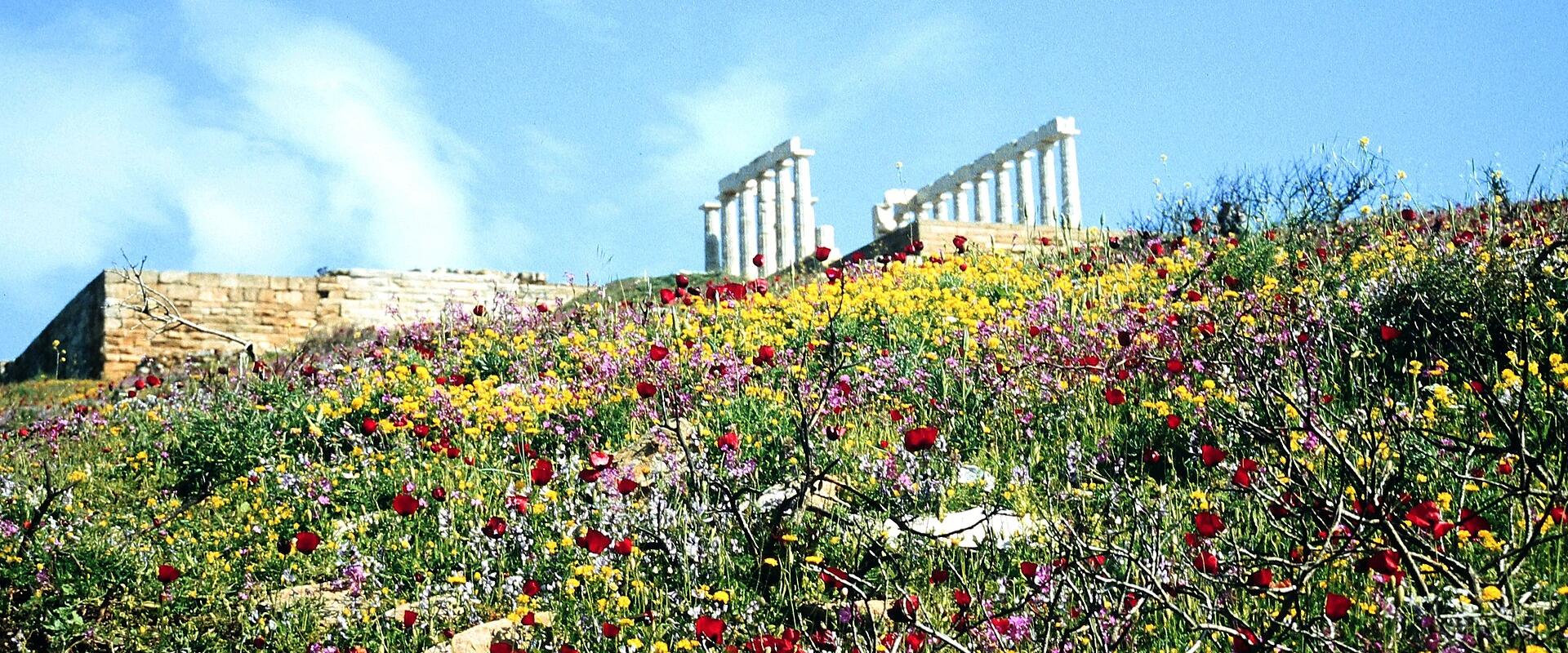
Lavreotiki is defined by its deep geological and historical ties to the mineral wealth of Attica. For centuries, the region has been a critical source of silver and lead, resources that were instrumental in the economic and political rise of ancient Athens. In the 5th century BCE, the silver mined from the Lavreion mines provided the financial backbone for the Athenian navy, enabling the city-state to defeat the Persian Empire and establish itself as a dominant power in the Aegean. This historical legacy is not just a footnote in history books but is embedded in the landscape itself. The area is dotted with the remnants of ancient mining operations, including ancient shafts and washing stations, which serve as tangible reminders of the region's pivotal role in the classical world. Today, Lavreotiki is recognized as a UNESCO Global Geopark, a status that highlights the unique geological formations and the cultural heritage intertwined with the land. The area is not just a site of historical interest but a living testament to the enduring relationship between human activity and the natural environment.
Main Attractions: Geological Wonders and Ancient Ruins
The primary attraction in Lavreotiki is its unique geological landscape, which is as significant as its historical artifacts. The region is home to a variety of mineral deposits, including the unique "lavreotiki" mineral, which is found in very few places in the world. Visitors can explore the Lavreotiki Geopark, which offers a unique opportunity to see the geological history of the region up close. The park features exposed rock formations, ancient mining ruins, and a variety of minerals that are of interest to both geologists and enthusiasts.
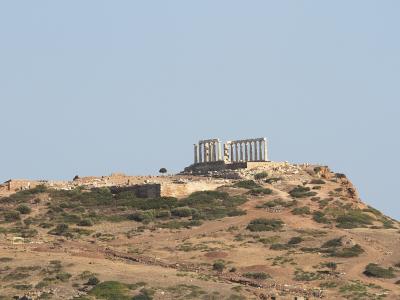
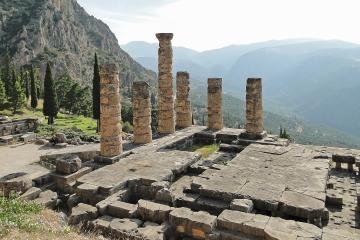
One of the key sites is the ancient mining complex, where visitors can see the remnants of ancient mining techniques and the tools used by ancient miners. The site includes ancient shafts, tunnels, and washing stations, providing a glimpse into the industrial practices of the past. Additionally, the area is home to several ancient temples and sanctuaries, including the Temple of Apollo, which offers a glimpse into the religious life of the ancient inhabitants. The combination of geological and historical attractions makes Lavreotiki a unique destination for those interested in both the natural and cultural heritage of the region.
Activities: Exploring the Geopark
Visitors to Lavreotiki can engage in a variety of activities that focus on the region's unique geological and historical features. One of the most popular activities is hiking through the geopark, where visitors can explore the diverse landscapes and learn about the geological processes that have shaped the region. Guided tours are available, offering insights into the geological history of the area and the significance of the mineral deposits.
For those interested in history, there are opportunities to explore the ancient mining sites and learn about the historical context of the region. Guided tours often include visits to the ancient mining ruins, where visitors can see the tools and techniques used in ancient mining operations. Additionally, there are opportunities to visit local museums and cultural centers, which provide further insight into the history and culture of the region.
Getting There: Access and Logistics
Lavreotiki is located approximately 30 kilometers southeast of Athens, making it easily accessible by car. The journey from Athens typically takes about 45 minutes to an hour, depending on traffic conditions. The route is well-signposted, and the roads are generally in good condition. For those who prefer public transportation, there are bus services that connect Lavreotiki to Athens, although the frequency of services may be limited outside of peak hours.
For those traveling by car, it is recommended to start the journey early in the day to avoid traffic congestion, especially during the peak tourist season. Parking is generally available near the main attractions, but it is advisable to arrive early to secure a spot. The area is also accessible by taxi, although it is advisable to agree on a price before starting the journey.
Best Time to Visit: Seasonal Considerations
The best time to visit Lavreotiki is during the spring and autumn months, when the weather is mild and the crowds are smaller. The months of April, May, October, and early November are ideal for visiting, as the temperatures are comfortable and the weather is generally sunny. During these months, the landscape is lush and green, and the natural beauty of the region is at its best.
Summer, while warm and sunny, can be hot and crowded, with higher temperatures and larger crowds. It is advisable to visit in the early morning or late afternoon to avoid the heat. Winter, while cooler, is generally mild, with occasional rain. It is a good time for those who prefer a quieter experience and do not mind cooler temperatures.
Best Time to Visit
May through October offers warm, dry weather ideal for exploring the region.
Plan Your Visit to Lavreotiki
Essential travel tips and information for your trip to Lavreotiki.
Suggested Itineraries
Discovering Lavreotiki
1 dayOne-day exploration of Lavreotiki's historic silver mines and coast...
View ItineraryTravel Tips
Currency
EUR • Cards widely accepted
Language
Greek • English in tourist areas
WiFi
Free WiFi in cafes and hotels
Explore Lavreotiki by Interest
Discover attractions and experiences in Lavreotiki organized by your interests and travel preferences.
All attractions in Lavreotiki
Sorted by our recommendation score
Quick Facts
Book your stay
Frequently Asked Questions
More destinations in Attica
Explore other amazing places in the Attica region