


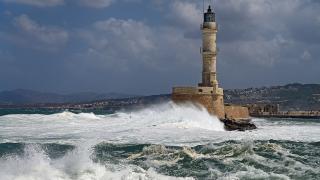
Greek maritime law requires valid documentation for all watercraft operators. You must hold a valid license, such as the ICC, to operate vessels in Greek territorial waters. Local authorities enforce these regulations strictly. Fines for non-compliance are significant and common. Insurance coverage is mandatory for all rented vessels. You must verify that your insurance covers third-party liability. Check the vessel’s safety equipment before departure. Life jackets must be available for all passengers. Local regulations often restrict speed in crowded bays. Respect local maritime zones to avoid penalties. Always check weather conditions before setting out. Sudden winds are common in the Aegean Sea. Heed local warnings about high winds. Local authorities may close areas during storms. Always carry a VHF radio for emergencies. Contact local maritime authorities for specific local rules. Regulations vary by island and local authority. Always check local notices before setting out. Stay informed about local maritime safety standards. Always prioritize safety over speed. Respect local customs and regulations. Stay aware of your surroundings. Always prioritize safety. Stay aware of local conditions. Always prioritize safety.
Island-Specific Water Activities
The Meltemi wind dominates the Aegean Sea from June to September. This north wind creates strong currents in the Cyclades. Sailing and windsurfing require experience in these conditions. The northern Aegean islands face similar wind forces. In contrast, the Ionian Sea offers calmer waters. Western islands like Corfu and Zakynthos are sheltered. These areas suit beginners and families well. Kiteboarding is popular in Vasiliki, Lefkada. The consistent wind provides ideal conditions for this sport. Other islands offer specific local conditions. Crete’s southern coast faces open sea challenges. Northern coasts provide calmer bays for swimming. Seasonal timing is critical for safety. Summer months bring the strongest Meltemi winds. Early spring and late autumn offer milder conditions. Local authorities enforce strict safety rules in popular areas. Always check local weather forecasts before entering the water. Local guides can advise on safe swimming spots. Water sports equipment is available in major tourist hubs. Renting a boat requires valid international documentation. Always verify local licensing requirements before operating any vessel. Local regulations vary by specific island jurisdiction. Always verify local regulations before engaging in water sports. Local authorities enforce safety standards strictly. Always check local weather forecasts before entering the water. Local guides can advise on safe swimming spots. Water sports equipment is available in major hubs. Renting a boat requires valid international documentation. Always verify local regulations before operating any vessel.
Diving and Snorkeling Essentials
Certified centers in Greece offer PADI and SSI courses. Local instructors guide beginners through basic skills. A try-dive option allows new divers to test the water. Instructors check equipment before every session. Safety briefings cover local currents and visibility. Greek waters often feature strong currents. Divers must respect marine protected areas. Reef-safe sunscreen is mandatory in many zones. Plastic waste is strictly prohibited in marine parks. Local authorities enforce these environmental rules strictly. Divers must check local regulations before entering the water. Local guides provide specific advice on safe dive sites. Always check weather conditions before diving. Strong winds can create dangerous surface conditions. Always dive with a certified buddy. Check air levels frequently during the dive. Ascend slowly to avoid decompression sickness. Report any environmental damage to local authorities. Greek marine life is sensitive to pollution. Use reef-safe sunscreen to protect coral reefs. Avoid touching marine animals or touching coral. Greek law protects all marine wildlife. Report any injured marine life to local authorities. Greek authorities take marine protection seriously. Always follow local guidelines for marine protection. Greek authorities enforce strict environmental standards. Always respect local marine conservation rules. Greek authorities enforce strict environmental standards. Always follow local guidelines for marine protection. Greek authorities enforce strict environmental standards. Always follow local guidelines for marine protection.
Choosing the Right Operator
Verify operator credentials before booking. Greek law requires valid licenses for all watercraft operators. Check for valid insurance certificates. Reputable companies display safety protocols clearly. Inspect equipment quality before boarding. Check for valid life jackets. Ensure life jackets fit properly. Read recent customer reviews online. Look for consistent feedback on safety. Book in advance during peak season. Summer months see high demand. Local operators often fill quickly. Consider group size when booking. Smaller groups receive more attention. Larger groups may require separate boats. Choose operators with local knowledge. They understand local currents and winds. The Meltemi wind affects the Aegean Sea. It creates strong currents in the Cyclades. Choose operators experienced in local conditions. They navigate safely in variable weather. Avoid operators without clear contact info. Verify contact details before booking. Check for transparent pricing. Hidden fees are common in tourism. Compare prices from multiple operators. Choose operators with clear cancellation policies. Read terms carefully before paying. Ensure you understand refund policies. Choose operators with clear communication. They respond to questions promptly. Clear communication ensures a safe experience. Choose operators with professional staff. Professional staff provide better guidance. Professional staff follow safety protocols. Professional staff ensure a safe experience. Choose operators with good reviews. Reviews reflect actual customer experiences. Reviews highlight potential issues. Reviews highlight strengths and weaknesses. Choose operators with transparent pricing. Transparent pricing avoids hidden costs. Transparent pricing builds trust. Transparent pricing ensures fair value. Choose operators with clear safety protocols. Clear protocols ensure passenger safety. Clear protocols reduce accident risks. Clear protocols ensure a safe experience. Choose operators with professional staff. Professional staff provide better guidance. Professional staff follow safety protocols. Professional staff ensure a safe experience. Choose operators with good reviews. Reviews reflect actual customer experiences. Reviews highlight potential issues. Reviews highlight strengths and weaknesses. Choose operators with transparent pricing. Transparent pricing avoids hidden costs. Transparent pricing builds trust. Transparent pricing ensures fair value. Choose operators with clear safety protocols. Clear protocols ensure passenger safety. Clear protocols reduce accident risks. Clear protocols ensure a safe experience.
Practical Tips for a Safe Experience
Wear a certified life jacket at all times. Greek law mandates this for most water sports. Sun protection is critical in the Mediterranean. Apply high-SPF sunscreen before exposure. Reapply every two hours. Hydrate frequently in the heat. Follow all instructions from licensed instructors. Do not deviate from designated areas. Respect local marine life regulations. Do not touch or feed marine animals. Be aware of local wind conditions. The Meltemi wind can change rapidly. Check daily forecasts before starting. Wear appropriate footwear for rocky shores. Slip-resistant shoes prevent injuries on uneven surfaces. Always check equipment before entering the water. Inspect harnesses, fins, and masks for damage. Report any safety concerns to local authorities immediately. Adhere to all local safety regulations. These rules ensure a safe experience for all participants in Greek waters.