Crete
Largest Greek island with Minoan ruins and dramatic gorges
History
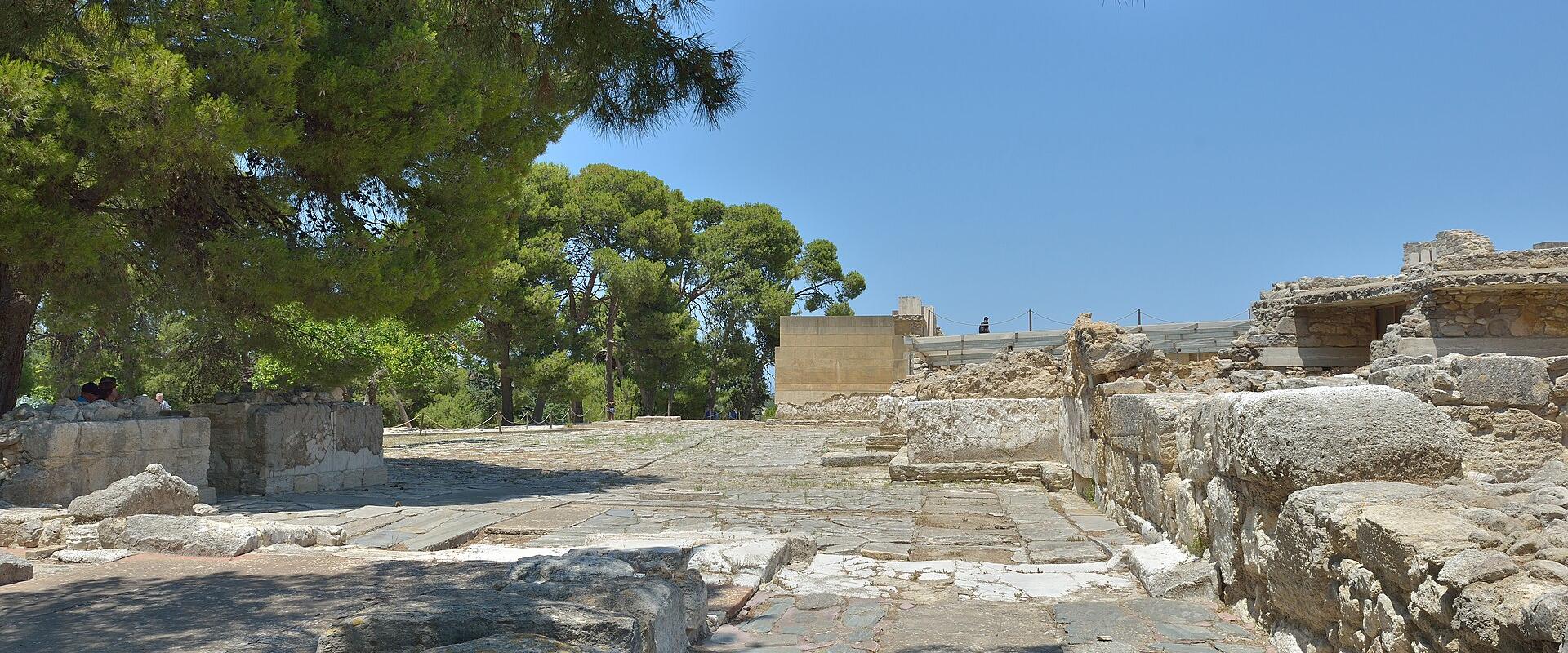
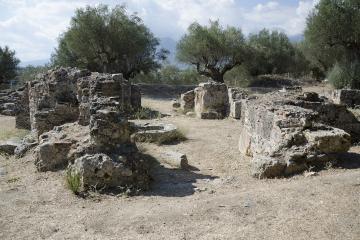
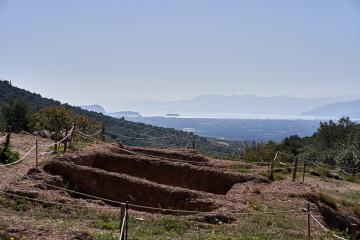
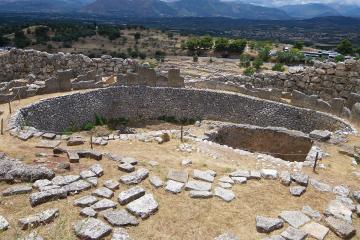
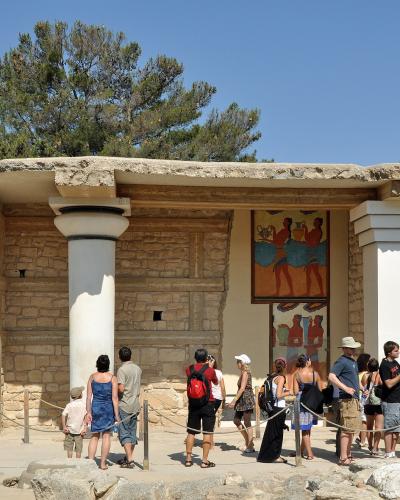
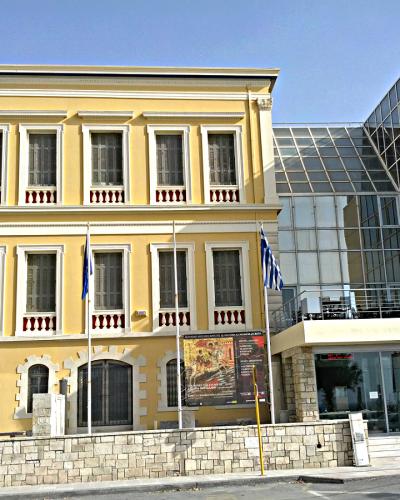
Crete, the largest Greek island, is often described as a living museum due to its profound historical depth. The island was the cradle of Europe’s first advanced civilization, the Minoans, who flourished here over 5,500 years ago. This ancient heritage is preserved in the extensive ruins and artifacts found across the island, most notably at the Palace of Knossos, the political and religious center of Minoan society. The Archaeological Museum of Heraklion houses the world’s most extensive collection of Minoan artifacts, offering a comprehensive look into this enigmatic culture. Following the Minoan decline, Crete was influenced by Greeks, Romans, Byzantines, Venetians, and Ottomans, each leaving a distinct architectural and cultural imprint. This layered history is visible in the island’s diverse landscape, from ancient theaters to Venetian fortresses and Ottoman mosques, creating a rich tapestry of civilizations that have shaped the island’s identity.
Main Attractions
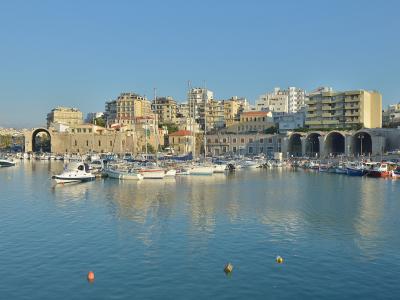
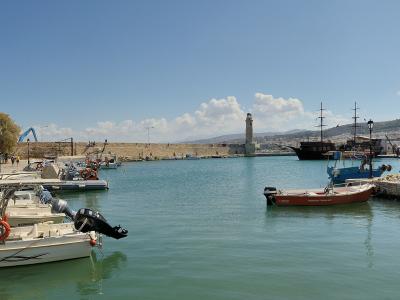
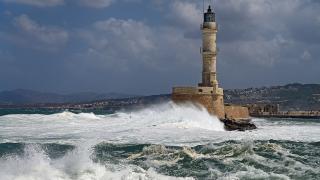
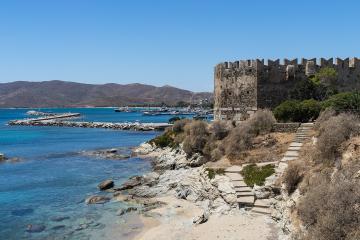
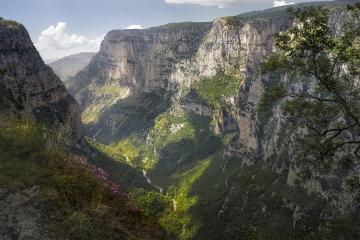
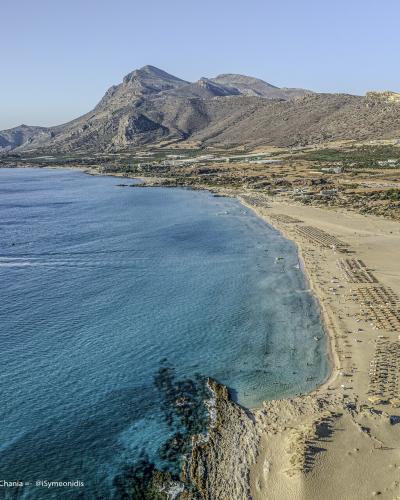
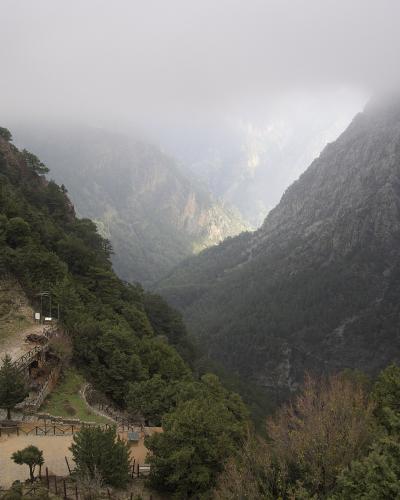
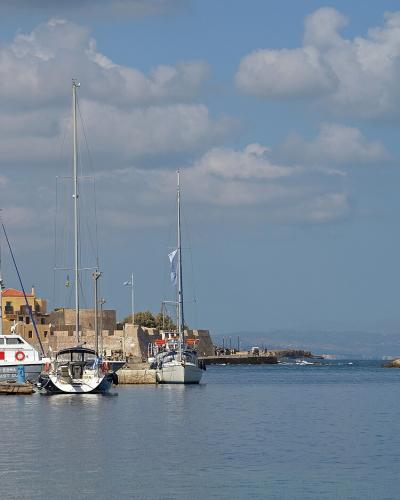
The primary attraction in Crete is the Palace of Knossos, located near Heraklion. This sprawling complex offers a glimpse into the sophistication of Minoan architecture and daily life. Another key site is the Archaeological Museum of Heraklion, which provides essential context for the island’s ancient past. In western Crete, the historic town of Chania is a major draw, featuring a well-preserved Venetian harbor, narrow cobblestone streets, and the iconic 16th-century Egyptian lighthouse. The natural beauty of the island is equally compelling, with the Pink Beach (Elafonisi) in the southwest offering stunning white sand and crystal-clear turquoise waters. Other notable sites include the Palace of Phaistos, an ancient Minoan palace, and the Samaria Gorge, a dramatic natural canyon that is a popular destination for hikers. These sites highlight the diverse cultural and natural heritage that defines Crete.
Activities
Visitors to Crete can engage in a wide variety of activities that cater to different interests. Hiking is a popular pastime, with the Samaria Gorge offering one of the most famous trekking routes in Greece, leading through a stunning canyon to the Libyan Sea. For beach lovers, the island offers numerous options, from the pink sands of Elafonisi to the blue waters of Balos. Water sports such as snorkeling, diving, and kayaking are widely available, allowing visitors to explore the rich marine life. Culinary enthusiasts can participate in cooking classes or wine tasting tours, sampling local specialties such as dakos, raki, and local cheeses. The island’s diverse landscape also supports hiking, cycling, and horseback riding, providing opportunities to explore the rugged interior and hidden villages.
Getting There
Crete is accessible by air and sea, with two main international airports: Heraklion International Airport (N. Kazantzakis) in the north and Chania International Airport (I. Daskaloyiannis) in the west. Both airports offer regular flights from Athens and other major European cities, with flight times typically ranging from 45 minutes to 1.5 hours. Ferries also connect Crete to other Greek islands, such as Santorini, Rhodes, and the Cyclades, with travel times varying from 2 to 8 hours depending on the type of ferry and destination. Once on the island, public buses connect major towns, but renting a car is highly recommended for exploring the island’s diverse regions at one’s own pace.
Best Time to Visit
The best time to visit Crete is during the spring (April to June) and autumn (September to October) months. During these periods, the weather is warm and pleasant, with temperatures ideal for outdoor activities and sightseeing. The summer months, particularly July and August, can be hot and crowded, with higher prices and larger crowds of tourists. Visiting during the shoulder seasons offers a more relaxed experience, with fewer crowds and a more authentic atmosphere. The autumn months, in particular, offer beautiful weather and the added benefit of harvest festivals, where visitors can sample local produce and traditional dishes. It is advisable to book accommodation in advance, especially during the peak summer months, to ensure availability.
Best Time to Visit
May to October offers warm, dry weather ideal for beaches and exploration.
Plan Your Visit to Crete
Essential travel tips and information for your trip to Crete.
Suggested Itineraries
Crete Weekend Getaway
2 days2-day Crete itinerary covering beaches, gorges, and history
View ItineraryTravel Tips
Currency
EUR • Cards widely accepted
Language
Greek • English in tourist areas
WiFi
Free WiFi in cafes and hotels
Explore Crete by Interest
Discover attractions and experiences in Crete organized by your interests and travel preferences.

All attractions in Crete
Sorted by our recommendation score
Quick Facts
Book your stay
Frequently Asked Questions
More destinations in Crete
Explore other amazing places in the Crete region