Kefalonia
Largest Ionian island with dramatic cliffs and underground caves
History and Cultural Heritage
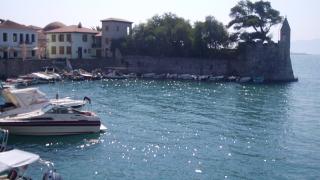
Kefalonia’s history is a complex narrative of ancient myths, strategic military importance, and colonial rule. Speculated by some scholars to be the island of Ithaca in Homer’s The Odyssey, the island possesses deep roots in the Mycenaean era, evidenced by tombs found in Sami and Poros. Its strategic location in the Ionian Sea made it a target for various powers, leading to periods of Athenian, Roman, and Byzantine control. The most significant cultural imprint, however, comes from the Venetian rule between the 16th and 18th centuries. The Venetians fortified the island extensively to defend against Ottoman attacks, leaving behind a legacy of castles and architectural styles that distinguish Kefalonia from other Greek islands. Following the Venetians, the island experienced brief periods of Ottoman and British rule before joining the newly formed Greek state in 1864. A pivotal moment in modern history occurred in 1953, when a massive earthquake devastated the island, destroying much of the infrastructure. Despite this catastrophe, the resilient spirit of the Kefalonians prevailed, leading to a reconstruction that preserved traditional village structures and cultural festivals. This blend of ancient heritage, colonial architecture, and post-disaster resilience defines the island’s unique cultural identity.
Main Attractions
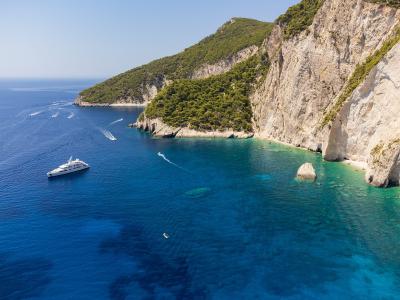
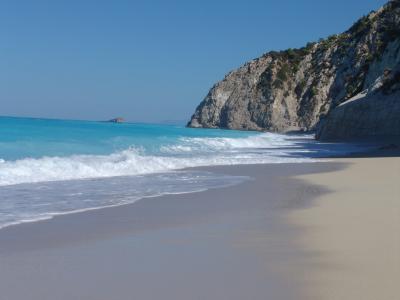
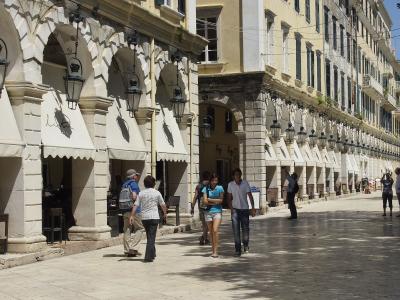
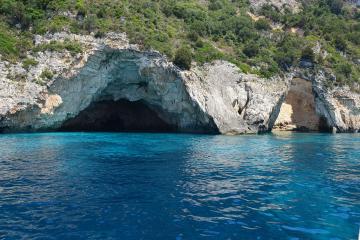
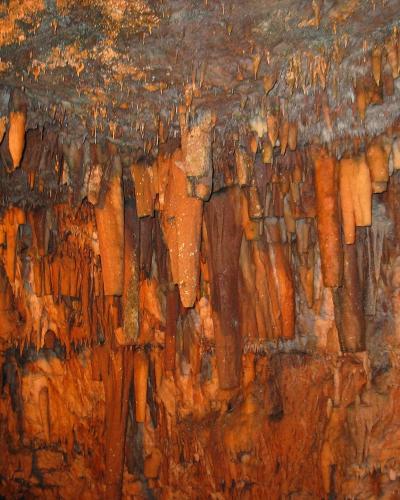
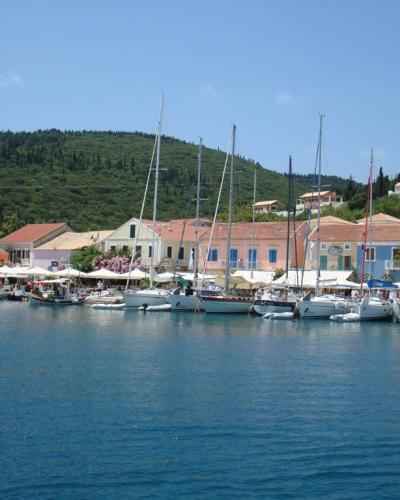
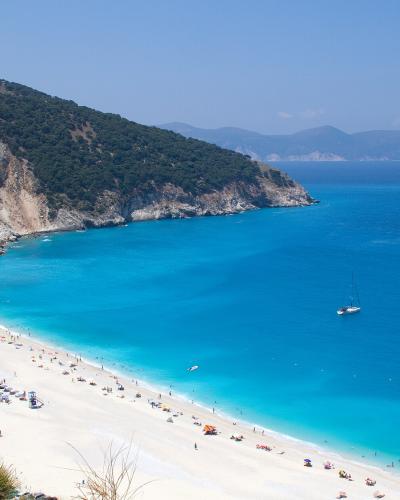
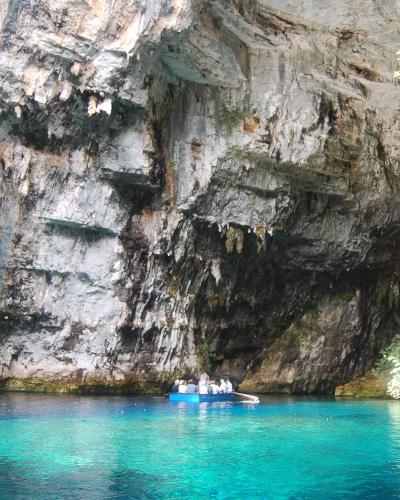
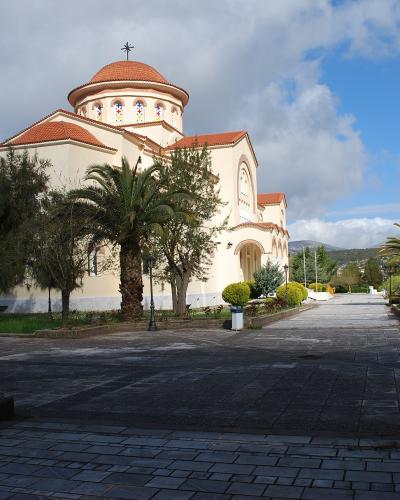
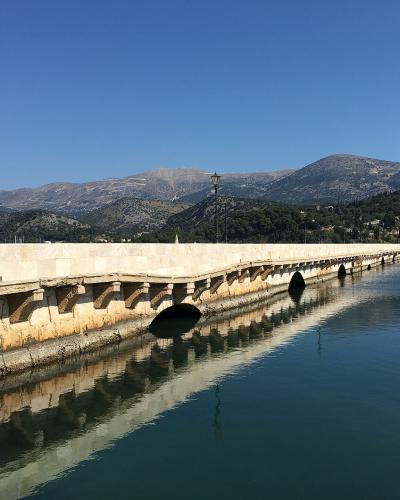
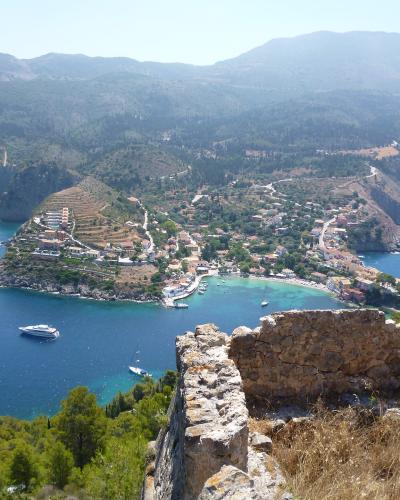
The island’s primary draw is its dramatic natural landscape, characterized by high mountains, lush greenery, and stunning coastlines. The most famous natural attraction is the Melissani Cave, where a collapsed roof allows sunlight to illuminate the underground lake, creating a mesmerizing blue glow. Nearby, the Drogarati Cave features impressive stalactites and stalagmites, offering a glimpse into the island’s geological history. On the west coast, Myrtos Beach is renowned for its white pebbles, turquoise waters, and the backdrop of steep cliffs, often cited as one of the most beautiful beaches in Greece. The historic town of Argostoli serves as the cultural and administrative center, featuring neoclassical buildings, the Municipal Garden, and the Koutavos Lagoon. Fortifications such as the Castle of St. George in Argostoli and the massive Castle of Assos in the north offer panoramic views and historical insight. The village of Fiskardo, spared from the 1953 earthquake, retains its Venetian architecture and offers a glimpse into the island’s pre-disaster past.
Activities
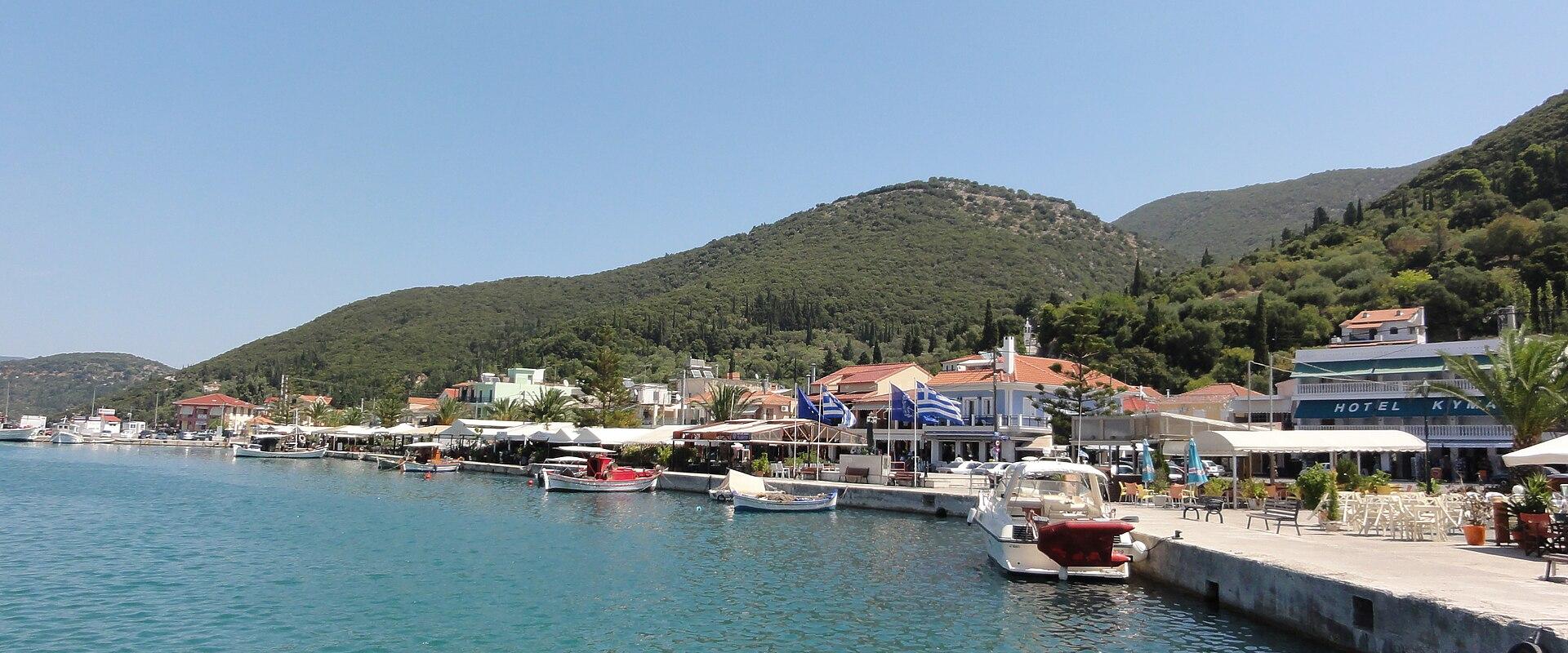
Visitors to Kefalonia can engage in a variety of activities that highlight the island’s natural beauty and cultural depth. Boating is a popular way to explore the coastline, with trips to the Blue Caves and secluded beaches like Xi Beach offering opportunities for swimming and snorkeling in crystal-clear waters. Hiking trails connect many of the island’s villages, providing scenic routes through olive groves and pine forests. The Castle of Assos is accessible via a hiking path, rewarding visitors with historical ruins and coastal views. In Argostoli, walking tours reveal the architectural details of the neoclassical buildings and the history of the lagoon. Wine tasting is another significant activity, as the island produces high-quality wines, particularly Robola, which is grown in the high-altitude vineyards of the central region. For those seeking relaxation, the island’s numerous tavernas and guesthouses offer a chance to experience local hospitality and cuisine. The island’s authentic atmosphere, supported by family-run businesses, provides a genuine Greek experience away from mass tourism.
Getting There
Kefalonia is accessible by air and sea. The island has its own international airport, Kefalonia International Airport (EFL), located near Argostoli, which receives direct flights from major European cities during the tourist season, as well as regular domestic flights from Athens. For those traveling by sea, ferries operate from the port of Patras on the Peloponnese mainland, with the journey taking approximately three to four hours. Ferries also connect Kefalonia to other Ionian islands, such as Zakynthos and Ithaca. Once on the island, public buses connect major towns and attractions, but the network is limited. Renting a car is highly recommended for exploring the island’s diverse regions, as many beaches and villages are not easily accessible by public transport. Taxis are available in Argostoli and other main towns, though they can be expensive for longer distances. The island’s compact size makes it manageable, but a vehicle offers the flexibility to discover hidden gems.
Best Time to Visit
The best time to visit Kefalonia is during the shoulder seasons of May to June and September to October. During these months, the weather is warm and pleasant, ideal for hiking, sightseeing, and swimming, while the crowds are significantly smaller than in the peak summer months. Spring brings blooming wildflowers and comfortable temperatures, while autumn offers warm sea temperatures and clear skies. Summer (July and August) is peak season, with hot weather and high crowds, particularly in popular beach areas. This is the best time for those seeking vibrant nightlife and full access to all services, but visitors should expect higher prices and limited availability. Winter (November to April) is mild but rainy, with some businesses closed. It is suitable for those seeking a quiet, off-season experience and the opportunity to explore the island’s history and culture without the tourist rush. For a balance of good weather and tranquility, late spring and early autumn are the optimal choices.
Best Time to Visit
May to October for warm, dry weather ideal for swimming and exploring.
Did you know?
Interesting, verified facts about Kefalonia
Hollywood Star in a Greek Island Gem
Film & TVThe 2001 film 'Captain Corelli's Mandolin' was filmed on the island of Kefalonia, featuring key scenes at the iconic Myrtos Beach, which served as a primary backdrop for the production.
Source: external sourceThe 1953 Earthquake
HistoryThe 1953 Ionian Sea earthquake is the most significant historical event for Kefalonia, destroying the island's capital, Argostoli, and leading to its complete reconstruction in the following years.
Source: external sourceThe Explorer Who Mapped the World
Notable PersonJuan de Fuca (born Ioannis Phokas in 1536) was a navigator from Kefalonia who is credited with discovering the strait that now bears his name, the Strait of Juan de Fuca, between Canada and the United States.
Source: external sourcePlan Your Visit to Kefalonia
Essential travel tips and information for your trip to Kefalonia.
Suggested Itineraries
One Day in Kefalonia
1 dayPerfect for a quick visit. See the main highlights and get a taste of local culture.
Extended Kefalonia Experience
2-3 daysComprehensive exploration including nearby attractions and cultural experiences.
Travel Tips
Currency
EUR • Cards widely accepted
Language
Greek • English in tourist areas
WiFi
Free WiFi in cafes and hotels
Explore Kefalonia by Interest
Discover attractions and experiences in Kefalonia organized by your interests and travel preferences.

All attractions in Kefalonia
Sorted by our recommendation score
Quick Facts
Book your stay
Frequently Asked Questions
More destinations in Ionian Islands
Explore other amazing places in the Ionian Islands region