History
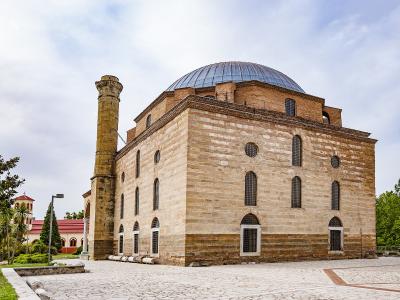
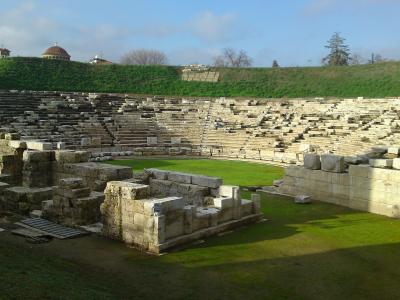
The history of Volos is deeply intertwined with the ancient history of Magnesia and the broader region of Thessaly. Located at the foot of Mount Pelion, the area has been inhabited since prehistoric times, with archaeological evidence pointing to a continuous human presence. The city’s strategic location on the Pagasetic Gulf made it a significant port in antiquity, serving as a gateway for trade and cultural exchange. The name "Volos" is believed to be derived from the ancient city of Pelasgia, which was located in the same vicinity. Throughout the centuries, the city has been influenced by various empires, including the Romans, Byzantines, and Ottomans, each leaving a distinct mark on its architecture and culture. This layered history is visible in the city’s diverse architectural styles, ranging from neoclassical buildings to traditional Ottoman-style structures.
Main Attractions
The primary attraction in Volos is the Archaeological Museum, which houses a significant collection of artifacts from the region, including items from the Neolithic, Bronze, and Iron Ages. The museum provides a comprehensive overview of the area’s ancient history, offering insights into the lives of the people who lived in Magnesia. Another key attraction is the historic center of Volos, where visitors can explore the well-preserved architecture of the 19th and early 20th centuries. The city is also known for its vibrant cultural scene, with numerous cafes, restaurants, and cultural events. The combination of historical depth and modern vibrancy makes Volos a unique destination for travelers interested in both history and contemporary culture.
Activities
Visitors to Volos can engage in a variety of activities that highlight the region’s natural and cultural beauty. The seafront promenade is a popular spot for walking and cycling, offering stunning views of the Pagasetic Gulf. The city is also a gateway to the Pelion peninsula, where visitors can explore traditional villages, hike through lush forests, and enjoy the natural beauty of the region. The local cuisine is a highlight, with many restaurants serving traditional Greek dishes made from local ingredients. Vol is also known for its tsipouro, a traditional alcoholic beverage, which is often enjoyed in local taverns. The combination of natural beauty, cultural heritage, and culinary delights makes Volos a compelling destination for travelers.
Getting There
Vol is well-connected by road, with regular bus services connecting it to Athens, Thessaloniki, and other major cities in Greece. The journey from Athens takes approximately 3-4 hours, depending on traffic conditions. For those traveling by car, the route is straightforward, with clear signage and well-maintained roads. The city is also accessible by train, with regular services from Athens and other major cities. The train station is located in the city center, making it easy to access the main attractions. For those who prefer to drive, there are ample parking options available in the city center.
Best Time to Visit
The best time to visit Vol is during the spring (April to June) and autumn (September to October) months. During these periods, the weather is mild and pleasant, with temperatures ideal for outdoor activities. The summer months, particularly July and August, can be hot and crowded, with higher prices and larger crowds. Visiting during the shoulder seasons offers a more relaxed experience, with fewer crowds and lower prices. The autumn months, in particular, offer beautiful weather and the added benefit of harvest festivals, where visitors can sample local produce and traditional dishes. It is advisable to book accommodation in advance, especially during the peak summer months, to ensure availability.
Best time to visit
May to October offers pleasant weather, with May and September ideal for fewer crowds.
What to see in Volos
Our picks first.
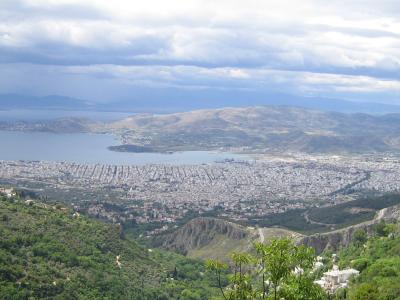
Mount Pelion
Free Natural Landscapes

Pelion Railway (Moutzouris)
Historic Sites & Ruins · Museums & Culture
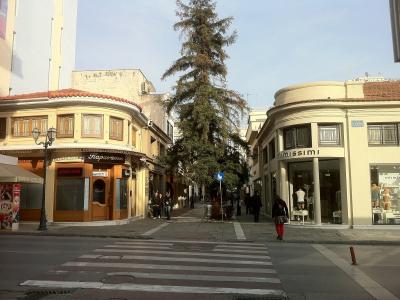
Volos Central Market
Urban & Local Life · Markets
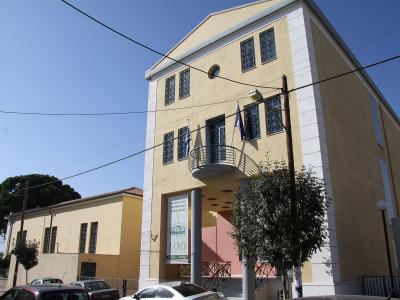
Archaeological Museum of Volos
From €10 Archaeological Museums · Historic Mansions

Agios Konstantinos Beach
Beaches · Churches

Pagasetic Gulf
Free Natural Landscapes

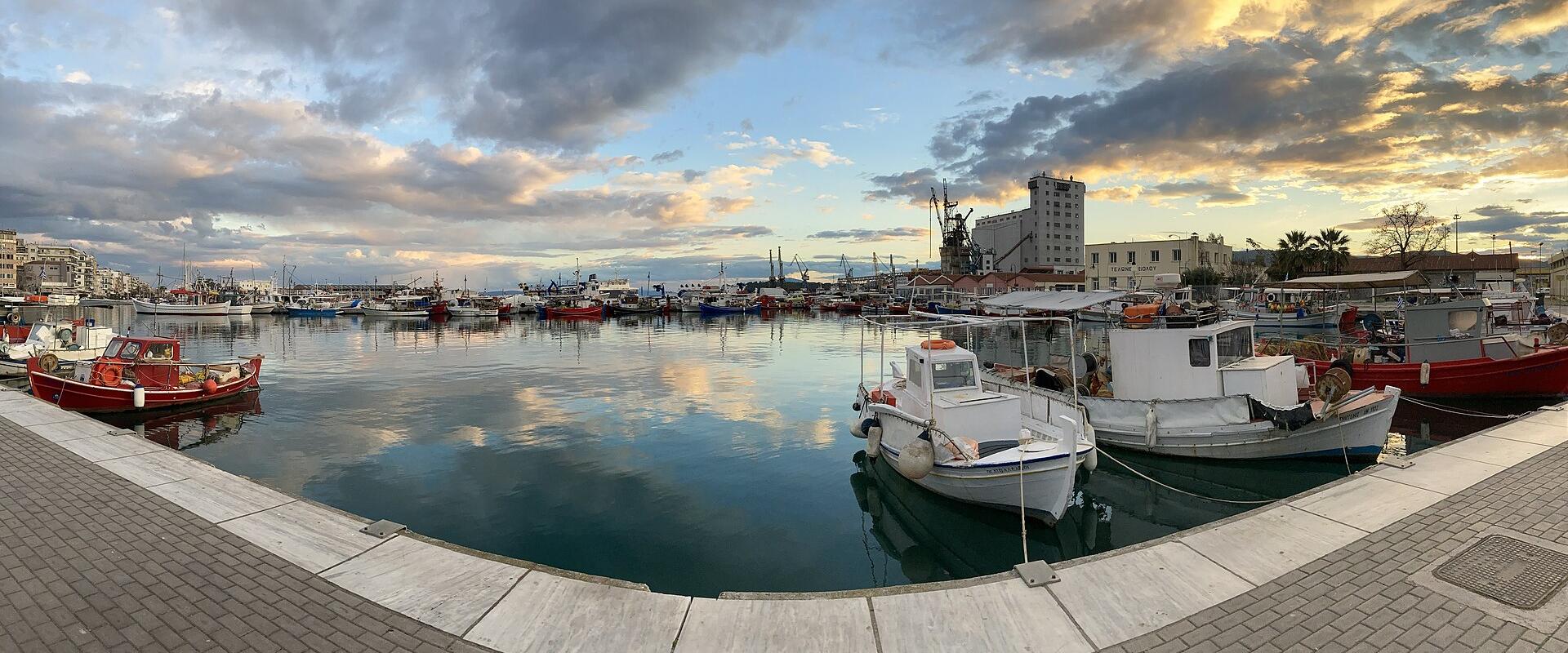
Port of Volos
Urban & Local Life · Transport Hubs
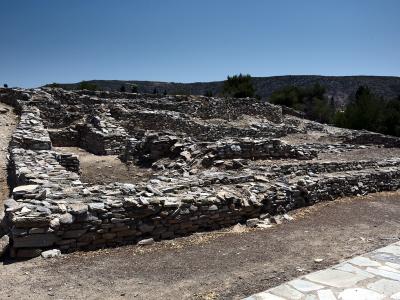
Dimini Archaeological Site
Ancient Ruins · Archaeological Sites
Volos by interest
The same sights, grouped by what you came for.
Did you know?
Checked facts about Volos, each with its source.
-
Notable Person
Metaphysical Painter's Hometown
The Italian metaphysical painter Giorgio de Chirico was born in Volos, Greece, in 1888, before the city was fully integrated into the Greek state.
Source: en.wikipedia.org
Planning a visit to Volos
Good to know
- Currency
- EUR
- Language
- Greek