



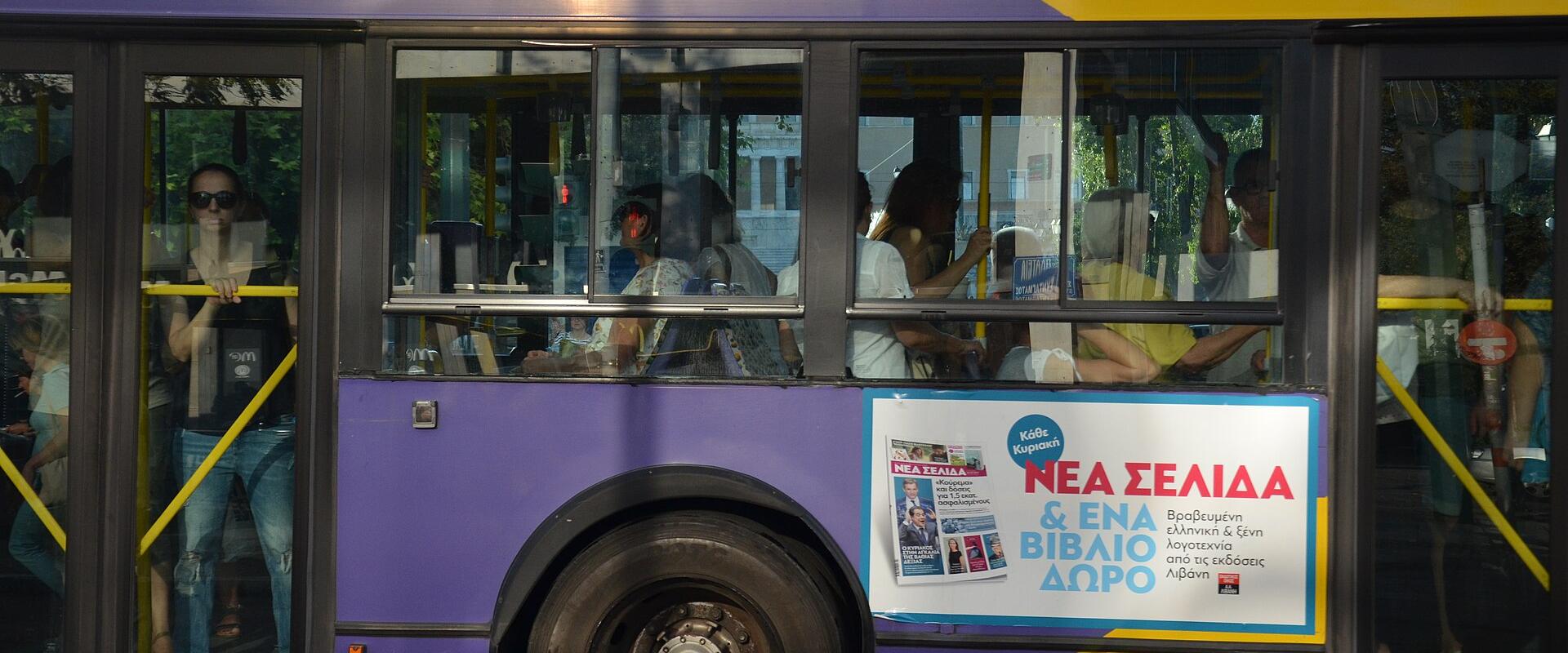
KTEL serves as Greece’s primary overland public transport network. It connects mainland cities and islands more effectively than trains. The system operates through a decentralized regional structure. This means schedules and service quality vary by region. Major hubs exist in Athens and Thessaloniki. These cities offer frequent connections to surrounding areas. KTEL buses provide superior reach compared to rail. They access remote villages and smaller towns directly. Frequency is generally higher than train services. You should book tickets during peak summer seasons. Demand increases significantly between June and August. Online booking is available through official regional websites. Walk-up purchases are possible but risky in high season. Fares are affordable compared to domestic flights. Travel times depend on road conditions and distance. Always verify specific departure times for your region. The network is essential for budget-conscious travelers. It offers reliable access to most Greek destinations. Plan your itinerary around bus schedules for efficiency. This mode of transport defines mainland Greek travel.
Island Ferries and Sea Routes
Ferries connect Greece’s 6,000+ islands. Three main ports serve as departure hubs. These are Piraeus, Rafina, and Lavrio. Piraeus offers the most extensive mainland connections. Rafina and Lavrio provide alternative access points. Travelers often fly to nearby airports first. Santorini serves Amorgos, while Mykonos connects to Naxos. Ferries remain essential for island access. Two primary ferry types exist. Conventional ferries are slower but cheaper. High-speed ferries reduce travel time significantly. Inter-island routes can be inconsistent. Planning an island-hopping itinerary is crucial. Advance booking is vital for popular routes. Summer months see peak demand. Service availability varies by season. Some routes operate only in high season. You must check specific operator schedules. Timetables change frequently throughout the year. Prices depend on speed and class. High-speed tickets cost more than conventional ones. Booking online ensures seat availability. Last-minute purchases risk sold-out vessels. Always verify departure ports carefully. Confusing Rafina with Piraeus causes missed trips. Lavrio serves the eastern Aegean. Understanding these logistics prevents travel delays. Sea travel remains the primary public transport method for islanders. Overland networks like KTEL do not replace ferries. Trains are limited and do not reach most islands. Ferries bridge the geographic gaps effectively.
Athens Urban Transit System
Athens integrates metro, bus, and tram networks into one unified system. This structure simplifies navigation for residents and visitors alike. A single 90-minute ticket allows unlimited transfers between all modes. This ticket costs approximately 1.20 euros for a single ride. You must validate your ticket upon entering the metro or boarding the bus. Validation occurs in small yellow or blue machines located at stations and inside vehicles. Failure to validate results in a significant fine. On buses, you can pay with cash or contactless cards. Drivers accept exact change or major credit cards for ticket purchases. The metro operates efficiently for longer urban distances across the city. It connects key areas like the airport and central squares quickly. The tram serves coastal neighborhoods, offering a scenic alternative to road traffic. All systems run on synchronized schedules to minimize waiting times. This integration reduces the need for multiple separate fares. Travelers benefit from a streamlined and cost-effective public transport network.
Rail Limitations and Alternatives
The Hellenic Train network offers limited coverage compared to other modes. It primarily serves the Athens-Thessaloniki corridor. This route connects major northern and southern hubs. However, the network faces significant operational constraints. Recent cutbacks have reduced service frequency and reliability. Trains are not the primary transport mode for most travelers. They serve as a supplementary option for specific long-distance routes. For flexible travel, buses and ferries are superior alternatives. KTEL buses connect mainland cities effectively. Ferries link the numerous islands with precision. These options provide more direct and frequent connections. Rail travel is best reserved for specific intercity needs. It is less suitable for general island hopping. Travelers should prioritize buses for flexible island access. The rail network remains secondary to these primary options. Plan itineraries around bus schedules for maximum flexibility. This approach ensures efficient travel across the diverse Greek landscape. Rail is a niche option, not the main solution.
Smart Planning and Ticketing
Online booking platforms streamline travel for buses and ferries. This digital approach saves time and secures seats in advance. The ATTIKA ticketing system manages urban transit in Athens. It unifies metro, bus, and tram access. A single ticket covers all transfers within the network. This integration simplifies daily commutes for residents and visitors. Always validate tickets before boarding to avoid penalties. Fines are common for unvalidated travel on public transport. Seasonal schedule variations affect service frequency significantly. Summer months often see increased frequency on island routes. Flexibility is essential when planning inter-island travel. Digital tools provide real-time updates on delays or changes. These updates are critical for maintaining tight schedules. Check applications frequently for any sudden schedule changes. This habit ensures a smooth and stress-free journey. Always verify gate information before arriving at the port. This step prevents missing the final boarding call. Staying informed is the key to efficient travel.