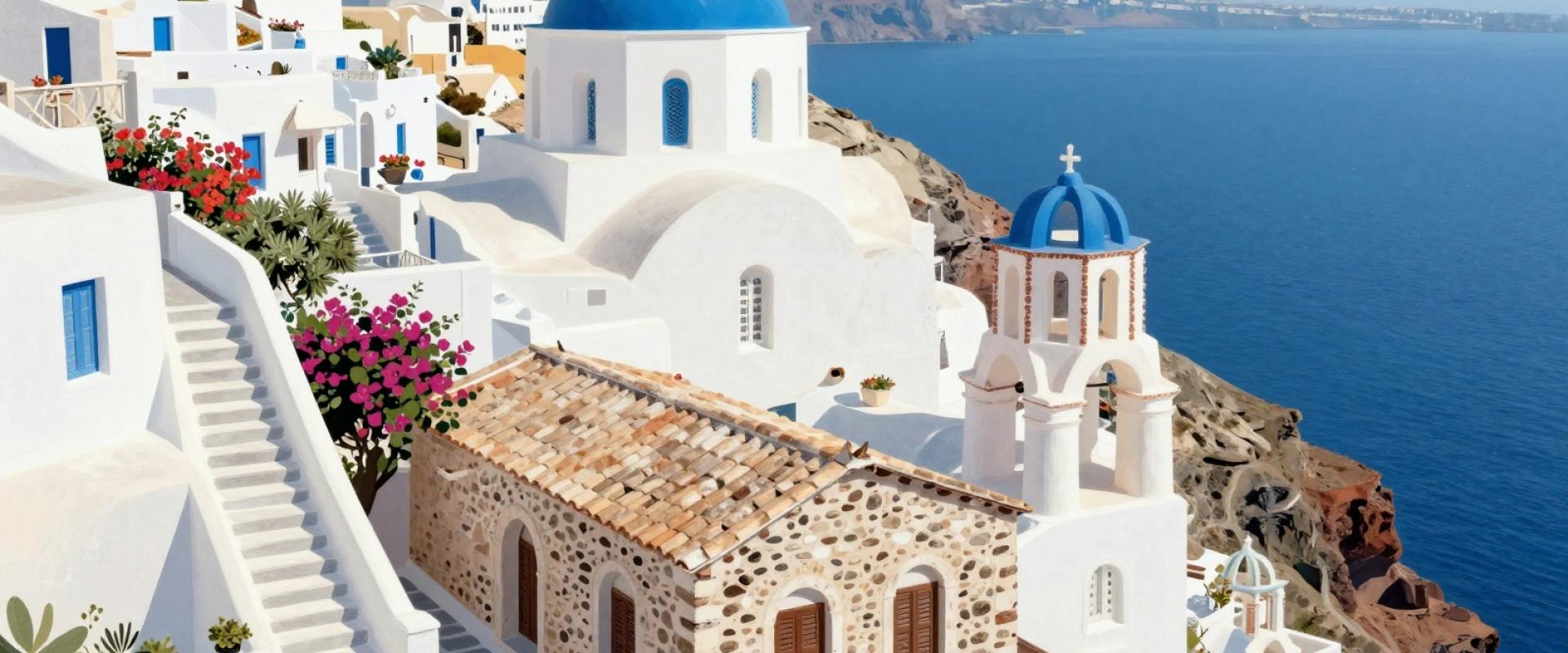
The Architecture of Island Living
Greek island architecture is not merely aesthetic; it is a dialogue between geography, history, and climate. Understanding these regional distinctions allows travelers to select accommodations that resonate with their desired cultural immersion.
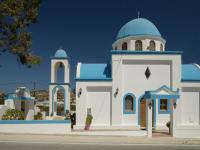
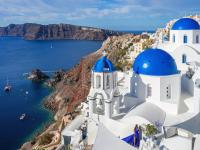
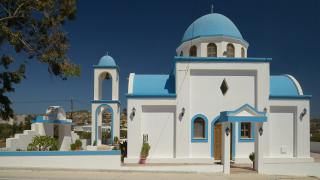
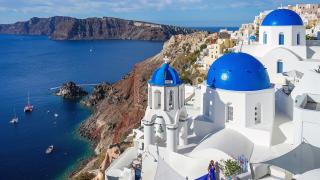
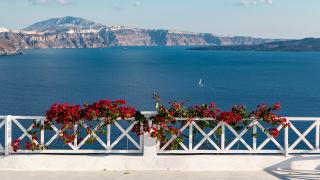
In the Cyclades, the iconic whitewashed, cubic structures define the landscape. These minimalist forms are engineered for survival, resisting strong winds and reflecting intense sunlight, creating a serene, monochromatic harmony with the sea.
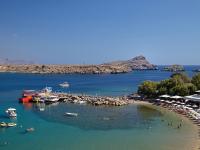
Contrast this with the Dodecanese, where Venetian and Ottoman legacies linger in stone fortresses, arched doorways, and intricate masonry. Here, architecture tells a story of conquest and trade, offering a more textured, historical ambiance.
Meanwhile, Crete presents a rugged, earthy aesthetic. Traditional 'pezi' homes, built with local stone and wood, blend seamlessly into the mountainous terrain, emphasizing warmth and rustic authenticity.
Choosing your stay based on these architectural styles transforms a simple holiday into a deep dive into local heritage. Whether you seek the stark beauty of the Cyclades, the historic depth of the Dodecanese, or the rustic charm of Crete, your accommodation becomes a window into the island’s soul.
Boutique Villas and Heritage Mansions
Greece offers restored heritage mansions and boutique villas across key regions. These properties appear in the Cyclades, Dodecanese, Crete, and Peloponnese. Many are family-owned, providing a personal touch distinct from large hotels. Owners often live on-site or nearby, ensuring direct local connection. Traditional architecture blends seamlessly with modern comfort standards. Stone walls and courtyards reflect regional building styles. Service remains personalized, focusing on individual guest needs. This setup facilitates deeper cultural immersion for travelers. You engage directly with local customs and daily life. Accommodations cater to couples, families, and dog owners. Specific regions include the Ionian Islands and Sporades. Mainland options also exist for varied itineraries. Curated categories help match stays to specific requirements. Budget-conscious guests find suitable private rentals alongside luxury villas. Assistance services guide selection for the perfect stay. These unique stays offer an alternative to standard hotels. They provide an authentic Greek living experience. The atmosphere remains intimate and culturally grounded. Travelers gain insight into local Greek lifestyle. This approach defines the unique Greek hospitality standard.
Direct contact is preferred for unique Greek accommodations. Online platforms often lack specific details for boutique villas. Direct communication ensures accurate information. Email or phone contact is recommended. This approach allows for personalized service. Hosts can address specific needs directly. Local recommendations are provided directly by owners. This enhances the personal connection to the stay. Cultural nuances are better understood through direct interaction. The experience becomes more authentic and tailored. Travelers should contact hosts directly for best results. This method ensures a more personalized Greek experience. It builds a stronger connection with the host. The cultural exchange is more immediate and real. This approach respects local traditions and hospitality. It ensures the stay aligns with personal preferences. Direct contact is essential for a unique experience. It guarantees a more authentic Greek stay.
Cultural Immersion and Local Etiquette
Respect local customs in unique Greek accommodations. Use traditional greetings like 'Kalispera' or 'Kalimera' upon arrival. This gesture shows immediate respect for local culture. Hosts appreciate this standard courtesy. Greek hospitality is a core cultural value. Guests should reciprocate this warmth with polite engagement. Ask permission before taking photographs inside private homes. Many boutique villas are family-owned businesses. Direct interaction supports local communities directly. Avoid loud noises during evening hours. Quiet hours typically begin after sunset. Respect the privacy of neighbors in close quarters. Small islands often have limited noise tolerance. Engage with local staff to learn customs. Ask about local traditions before dining. Accepting offered food or drink is polite. Refuse gently if dietary restrictions apply. Always express gratitude for hospitality provided. This approach enhances the travel experience significantly. It fosters mutual respect between guests and hosts. Adhering to local etiquette ensures a smooth stay. It demonstrates cultural awareness and appreciation. This is essential for a positive experience in unique Greek accommodations.
Planning Your Unique Greek Stay
Book unique Greek accommodations early. Peak season requires advance planning. Secure bookings months in advance. Direct contact is essential. Email hosts directly for specific needs. Communicate dietary or accessibility requirements clearly. Flexibility is crucial for unique stays. Local customs may differ from standard hotels. Respect local traditions and household rules. Embrace the local culture fully. Engage with hosts during check-in. Ask questions about local customs. This approach ensures a smoother experience. Trust the host’s local knowledge. They provide insights into the area. This enhances the overall stay. Be open to new experiences. Adapt to local rhythms and routines. Flexibility reduces stress during travel. Accept minor inconveniences as part of the experience. This mindset enhances cultural immersion. Engage with the local community. Learn basic Greek phrases. This gesture shows respect for locals. It fosters better relationships with hosts. Trust the local expertise provided. It enriches the travel experience. Be open to new experiences. Adapt to local customs and traditions. This approach ensures a more authentic stay. Trust the process and the host. Embrace the unique Greek lifestyle.