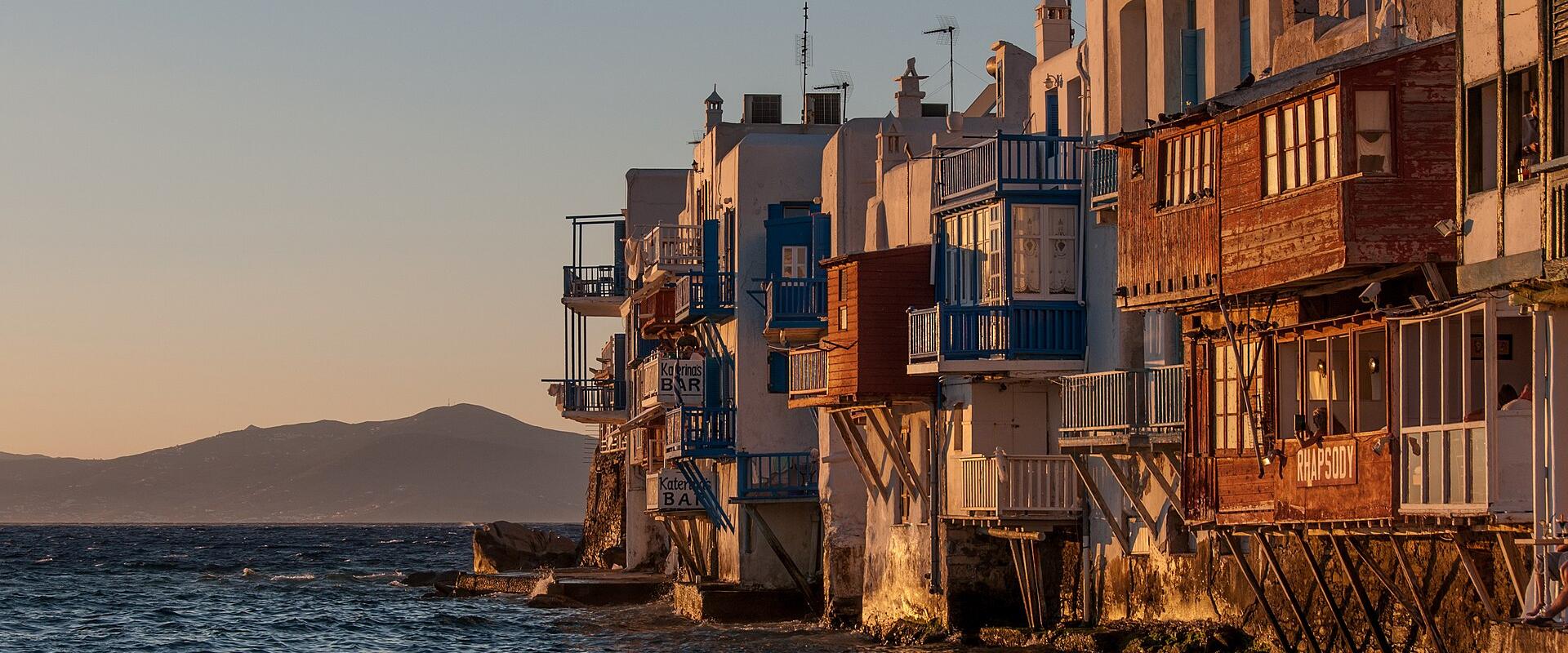
Mykonos
Cycladic island with iconic white windmills
History: Ancient Roots and Revolutionary Spirit
Mykonos, often referred to as Thylakos, holds a unique place in Greek history, rooted in ancient mythology and resilient spirit. According to legend, the island was formed by the giant Mykonos, who threw the petrified bodies of his defeated enemies into the sea, creating the chain of islands that now dot the Aegean. This mythological foundation is complemented by a rich historical tapestry. The island was historically influenced by the nearby sanctuary of Delos, the sacred birthplace of Apollo, and served as a trading post due to its strategic location.
During the Ottoman period, the island’s economy thrived on the production of high-quality textiles, particularly silk, which was traded across the Mediterranean. This era of commercial prosperity laid the groundwork for the island’s modern identity. The Greek War of Independence also left a mark, with local residents contributing significantly to the revolutionary cause. Today, the island preserves this heritage through its architecture and museums, blending ancient traditions with a vibrant, modern cosmopolitan atmosphere that defines its unique character.
Main Attractions: Iconic Landmarks and Beaches
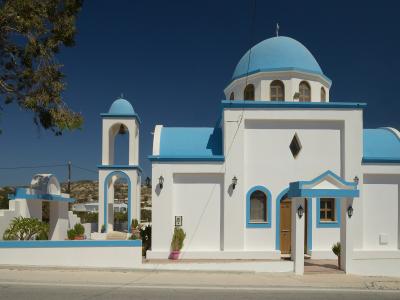
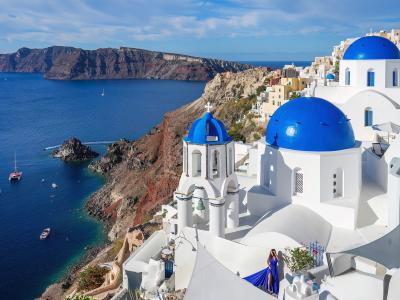
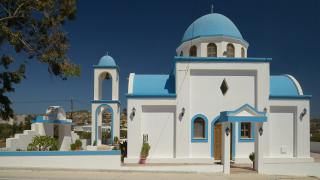
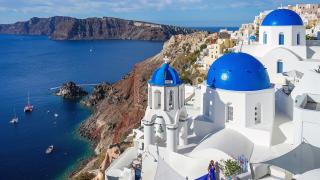
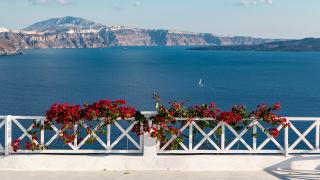
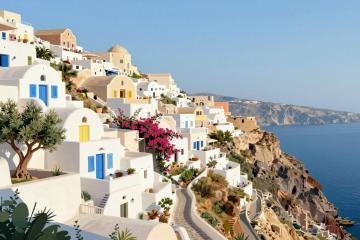
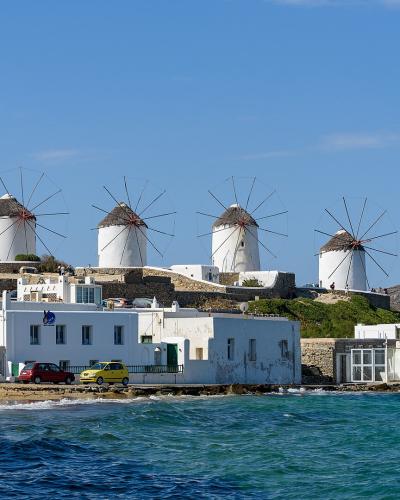
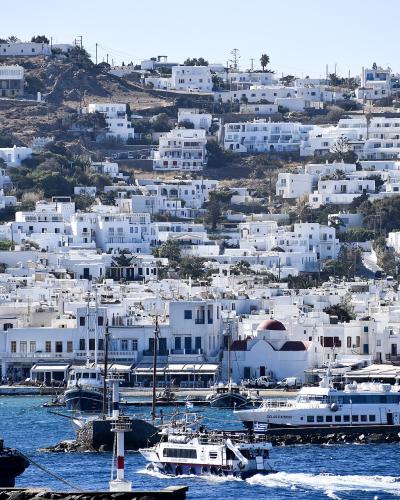
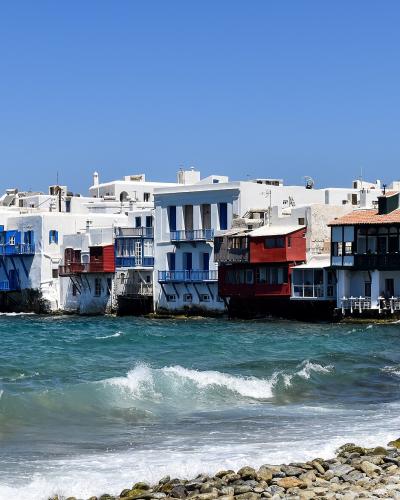
The visual identity of Mykonos is defined by its iconic windmills, which stand as sentinel over the capital, Chora. These historic structures, originally built to grind grain, now offer panoramic views of the white-washed buildings and the deep blue Aegean Sea. The narrow, winding streets of Chora, lined with boutique hotels, luxury boutiques, and traditional tavernas, invite leisurely exploration. The contrast between the stark white walls and the vibrant blue of the sea creates a striking visual experience that is unique to the Cyclades.
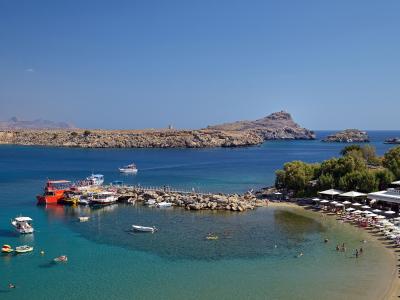
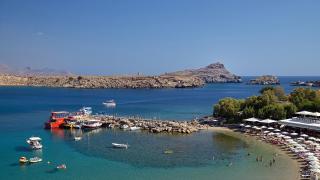
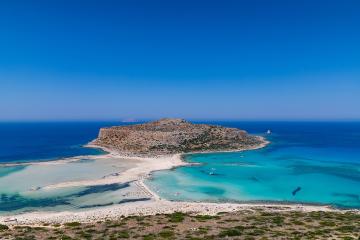
Beyond the main town, the island is dotted with pristine beaches, each offering a distinct atmosphere. From the lively, party-centric beaches like Paradise and Paradise Beach to the more secluded coves of Kolymbitha and Ornos, there is a beach for every preference. The clear, turquoise waters are ideal for swimming and snorkeling, revealing the vibrant marine life beneath the surface. The combination of natural beauty and well-maintained infrastructure makes these beaches a central part of the Mykonos experience.
Activities: Sun, Sea, and Culture
Visitors to Mykonos can engage in a wide range of activities that cater to diverse interests. For those seeking relaxation, the island offers numerous beach clubs where one can lounge on sunbeds, enjoy refreshing drinks, and soak up the sun. The vibrant nightlife is equally compelling, with world-renowned nightclubs and bars in Chora offering live music, DJ sets, and a lively atmosphere that lasts well into the early hours.
For those interested in culture, the Archaeological Museum of Mykonos houses a collection of artifacts from the ancient Cycladic civilization, providing insight into the island’s ancient past. Additionally, boat tours to nearby Delos, the mythical birthplace of Apollo, offer a unique opportunity to explore one of the most important archaeological sites in Greece. These activities, combined with the opportunity to explore local markets and taste traditional Greek cuisine, create a rich and varied experience for visitors.
Getting There: Access and Connectivity
Mykonos is well-connected to the rest of Greece, with several options for travel. The island has an international airport, Mykonos Island National Airport, which receives direct flights from Athens and other major European cities during the peak tourist season. This makes it accessible for international travelers who wish to include Mykonos in their itinerary.
Alternatively, visitors can reach the island by ferry from Athens’ Piraeus or Rafina ports. The ferry journey takes approximately five to five and a half hours, depending on the type of vessel, with high-speed ferries offering a faster option. This route is popular for those who prefer a more leisurely journey or are traveling from other islands in the Cyclades. The regular ferry service ensures that access to the island is convenient and reliable throughout the tourist season.
Best Time to Visit: Seasonal Considerations
The best time to visit Mykonos is from late May to early October, when the weather is warm and sunny, and the sea is warm enough for swimming. The months of June, July, and August are the peak tourist season, offering the best weather but also the largest crowds and highest prices. For a more relaxed experience, the months of May, June, September, and early October are ideal, with pleasant weather and fewer crowds.
Visitors should be aware that the island is busiest in July and August, so booking accommodation and activities in advance is recommended. For those who prefer a quieter atmosphere, visiting in late May or September offers a more tranquil experience, with fewer tourists and lower prices, while still enjoying favorable weather conditions.
Best Time to Visit
May through September offers warm, dry weather ideal for swimming and exploring.
Plan Your Visit to Mykonos
Essential travel tips and information for your trip to Mykonos.
Suggested Itineraries
Travel Tips
Currency
EUR • Cards widely accepted
Language
Greek • English in tourist areas
WiFi
Free WiFi in cafes and hotels
Explore Mykonos by Interest
Discover attractions and experiences in Mykonos organized by your interests and travel preferences.
All attractions in Mykonos
Sorted by our recommendation score

Quick Facts
Book your stay
Frequently Asked Questions
More destinations in Aegean
Explore other amazing places in the Aegean region