Seasonal Climate Overview
Greece features three distinct seasonal travel periods. High season runs from July to August. Temperatures peak, and crowds fill the islands. Prices for accommodation rise significantly during this peak. Shoulder season occurs in April, May, June, September, and October. Weather remains mild and suitable for travel. Tourist infrastructure operates with reduced, yet sufficient, capacity. This period offers a balanced experience for visitors. Low season spans November through March. Many island businesses close for the winter. Mainland services remain open, but with limited hours. The climate is cooler and rain is more frequent. Travelers must plan for shorter daylight hours. Infrastructure on smaller islands may be limited. Mainland cities offer consistent access to services. Visitors should check specific opening times for attractions. Planning ahead ensures access to essential services. The seasonal rhythm dictates the available activities. High season suits those seeking vibrant atmosphere. Shoulder season suits travelers seeking value and calm. Low season suits those seeking quiet solitude. Each period offers a distinct Greek experience. Choose based on personal preference for weather. Choose based on budget and crowd tolerance. The climate is generally Mediterranean and sunny. Winter brings rain to the northern regions. Summer brings heat to the southern islands. All regions experience unique seasonal characteristics. Plan according to the desired seasonal experience.
Spring Awakening: April to June
Spring brings mild temperatures ideal for hiking and sightseeing. Daytime highs reach 20°C, while nights remain cool. This weather suits exploring ancient sites without summer heat. Sea temperatures remain cool, limiting swimming to late June. Most travelers avoid the water before May. Island facilities open partially in April. Some tavernas and hotels remain closed until late May. Business operations resume gradually through spring. Easter is the primary cultural event. Orthodox Easter often falls in April. Celebrations include midnight liturgies and local feasts. This period is peak tourist time. Crowds increase, and prices rise significantly. Book accommodations well in advance. Unpredictable weather is common in spring. Rain showers can occur suddenly. Layered clothing is essential for comfort. Pack a light jacket for evenings. Sunny days are warm, but wind can chill. Prepare for variable conditions. The landscape turns green with spring rain. Wildflowers bloom across the islands. This is the best time for photography. Crowds are smaller than in summer. You can explore ruins with fewer tourists. Transportation is less congested. Ferries run on regular schedules. However, some smaller isles have limited service. Check ferry schedules before booking. Spring is ideal for cultural exploration. Visit monasteries and historical sites. The weather is comfortable for walking. Avoid the midday sun in June. Hydrate frequently during afternoon heat. Spring is the best time for budget travel. Accommodation rates are lower than in summer. Book early to secure the best rates. Spring is the ideal time to visit Greece.
Summer Heat and Crowds: July and August
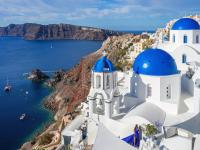
July and August mark peak season in Greece. Temperatures frequently exceed 30°C across the mainland and islands. The heat is intense, particularly in July. Crowds fill popular destinations like Santorini and Mykonos. Accommodation prices reach their highest annual levels. Booking flights and hotels months in advance is essential. Last-minute availability is rare and expensive. Tourist services operate at full capacity. All amenities, including ferries and attractions, are open. Nightlife is vibrant and active throughout the season. Despite the crowds, the atmosphere remains energetic. Visitors must manage heat exposure carefully. Hydration and sun protection are mandatory. Plan excursions for early morning or late evening. Midday heat often makes outdoor activities difficult. This period is ideal for social, beach-focused vacations. The vibrant nightlife complements the beach experience. However, the high volume of tourists requires patience. Queues form at popular archaeological sites. Advance booking is necessary for major attractions. The heat can be exhausting for some travelers. Plan rest periods during the hottest hours. Despite the challenges, the weather is ideal for swimming. Sea temperatures are warm and inviting. The vibrant atmosphere suits social travelers. Those seeking quiet may find it crowded. The trade-off is access to all services. Everything is open and fully operational. This is the best time for beach activities. It is less ideal for quiet exploration. Travelers must plan logistics carefully in advance. Advance booking is essential for a smooth trip. The heat is a significant factor to consider. Plan accordingly to ensure a comfortable stay.
Autumn Comfort: September and October
September offers the ideal balance of heat and comfort. Sea temperatures remain warm from summer sun, reaching 24°C. This allows for comfortable swimming in the Aegean and Ionian seas. Air temperatures stay high, often reaching 25°C, but humidity decreases. Crowds thin significantly after the August peak. Accommodation prices often drop, offering better value. October brings cooler air, with highs around 20°C. Rain becomes possible, especially in late October. This weather suits hiking in the mountains or exploring ancient sites. The olive harvest begins in late September, adding local flavor. Vineyards prepare for the grape harvest, offering wine tasting opportunities. The light becomes golden, ideal for photography. Crowds are minimal, ensuring a peaceful experience. Sea temperatures remain warm enough for swimming through October. This period offers the best balance of weather and low crowds. Travelers can enjoy cultural sites without the summer heat. Local festivals often celebrate the new harvest. This is the optimal time for a relaxed Greek holiday. The weather remains pleasant, and the atmosphere is calm. It is the best time for a comfortable and affordable trip.
Winter Quiet and Cultural Depth
Winter offers a quiet alternative to the crowded summer months. Tourist numbers drop significantly across the Greek islands. Mainland cities like Athens and Thessaloniki remain open and vibrant. Local life continues with its usual rhythm. The weather is cooler and often wet. Rain is common, particularly in the northern regions. Travelers must pack warm clothing and waterproof gear. This season is ideal for cultural immersion. Museums and archaeological sites are less crowded. Visitors can explore ancient sites without the heat. Local traditions remain active in towns and villages. Hospitality remains warm despite the cooler weather. The atmosphere is calm and introspective. Travelers can experience authentic Greek life. Public transport operates on regular schedules. Ferries to the islands run less frequently. Some smaller islands may close for the season. Travelers should verify ferry schedules in advance. Winter is ideal for budget-conscious travelers. Accommodation prices are significantly lower. The pace of life is slower. This is an ideal time for deep cultural exploration. Visitors can engage with local communities directly. The experience is authentic and uncommercialized. Travelers should plan for variable weather conditions. Rain gear is essential for comfort. The experience is distinct from the summer high season. It offers a unique perspective on Greek culture. The tranquility allows for deeper reflection. This is the best time for cultural depth.