
Sounio
Ancient temple site on Attica coast
History
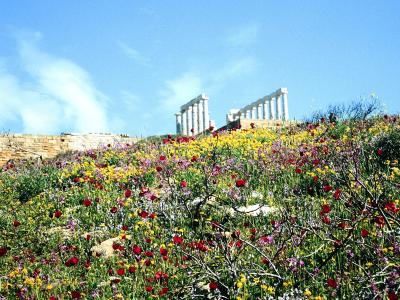
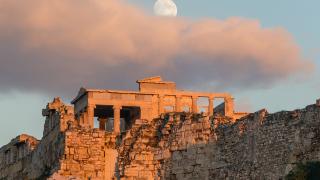
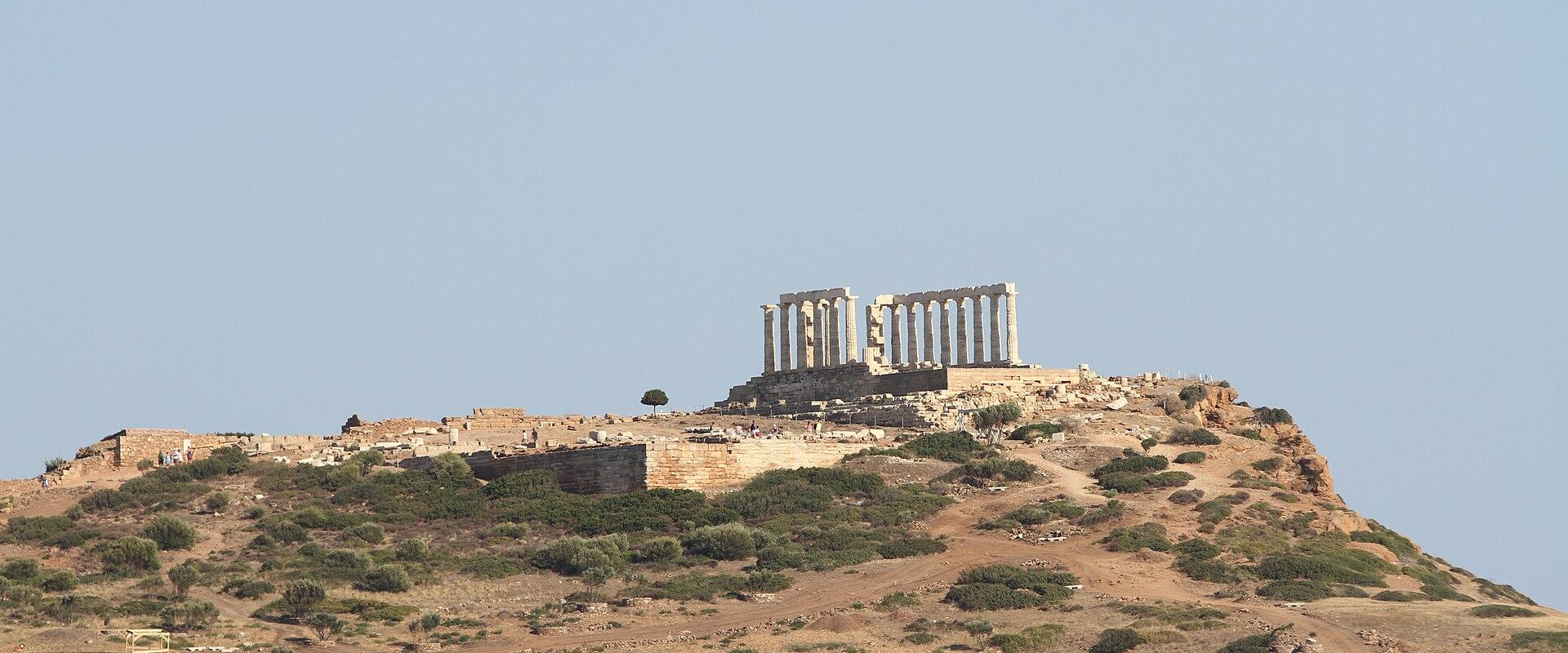
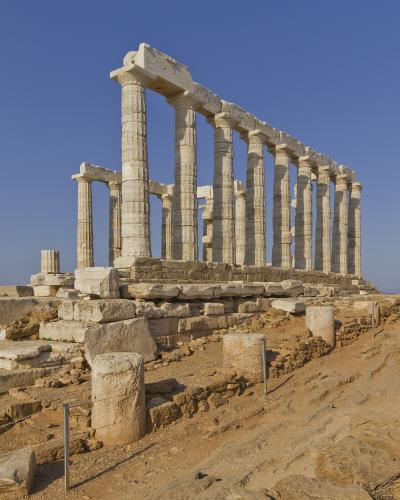
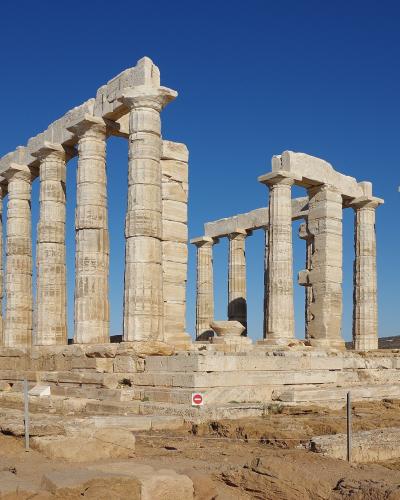
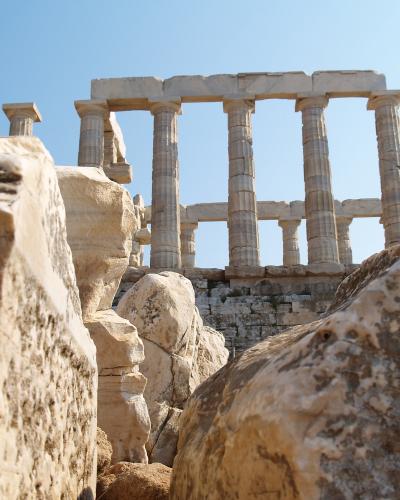
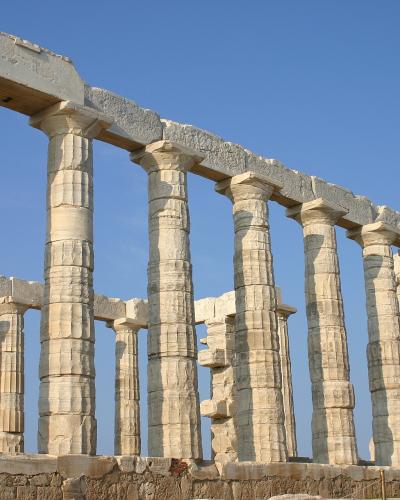
Cape Sounion holds a profound place in Greek history and mythology, serving as a sacred site since ancient times. Located at the southernmost tip of the Attica peninsula, this rugged headland was home to two significant temples. The most famous, the Temple of Poseidon, was constructed around 440 BCE during the height of the Athenian Empire. Built in the Doric style, it originally featured thirty-four columns, of which fifteen remain standing today. This structure was not only a place of worship but also a symbol of Athenian naval power, given Poseidon’s role as the god of the sea.
Nearby stood the Temple of Athena Sounion, dating back to the early 5th century BCE. Unlike its neighbor, this temple was built in the Ionic order and was dismantled in the 1st century AD, leaving only foundations and statue bases. The area is steeped in legend, most notably the myth of King Aegeus. According to tradition, Aegeus threw himself into the sea below the cape upon seeing black sails on his son Theseus’s ship, believing the boy had died. The sea was subsequently named the Aegean in his honor. In the 19th century, the site gained further fame when the English poet Lord Byron visited and carved his initials into one of the temple’s columns, a testament to the enduring romantic allure of the location.
Main Attractions
The primary attraction is undoubtedly the Temple of Poseidon. Perched on a cliff overlooking the Aegean Sea, the ruins offer a dramatic backdrop for photography and contemplation. The remaining columns frame the horizon, creating a picturesque scene that has inspired artists and writers for centuries. Visitors can walk among the ruins and imagine the grandeur of the ancient sanctuary.
Beyond the temple, the surrounding Cape Sounion National Park offers a starkly different but equally compelling experience. The park features well-marked hiking trails that wind through dense pine forests and rocky terrain. These paths provide panoramic views of the Saronic Gulf and the nearby islands, including Hydra and Spetses, which are visible on clear days. The natural landscape is protected, preserving the local flora and offering a serene escape from the archaeological site.
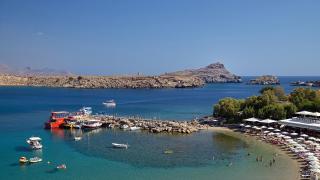
For those seeking relaxation, the nearby beaches provide a contrast to the historic ruins. Legrena Beach, located just south of Sounio, is known for its clear, turquoise waters and fine sand. Charakas Beach, slightly further south, offers a more tranquil atmosphere, ideal for those wishing to unwind after exploring the historical sites.
Activities
Visitors to Sounio can engage in a variety of activities that blend history with nature. Hiking is a popular option, with trails ranging from easy walks to more challenging treks through the national park. These hikes allow travelers to appreciate the biodiversity of the region, including native pine trees and wild herbs.
Photography enthusiasts will find ample opportunities to capture the interplay of light and shadow on the ancient columns, especially during the golden hours of sunrise and sunset. The sunset view from the Temple of Poseidon is particularly renowned, drawing crowds who wish to witness the sky turn shades of orange and pink over the Aegean.
For a more leisurely experience, visitors can spend time on the beaches, swimming in the calm waters of the Saronic Gulf or simply relaxing on the sand. The area also offers a glimpse into local life, with nearby villages like Anavassos providing a glimpse into traditional Greek coastal living.
Getting There
Sounio is easily accessible from Athens, making it a popular day-trip destination. The journey typically takes about an hour by car or bus, depending on traffic conditions. Many locals travel to the area for weekend getaways, so visiting during off-peak times can result in a smoother journey. Public buses run regularly from central Athens, offering a convenient and affordable option for travelers without a car.
Best Time to Visit
The best time to visit Sounio is during the spring (April to June) and autumn (September to October) months. During these periods, the weather is mild and pleasant, ideal for exploring the archaeological sites and hiking in the national park. Summer months can be hot and crowded, while winter offers a quieter, more introspective experience, with mild temperatures and fewer tourists. Visiting in the late afternoon allows travelers to avoid the midday heat and catch the spectacular sunset.
Best Time to Visit
April to June and September to October offer mild weather and fewer crowds for visiting Sounio.
Plan Your Visit to Sounio
Essential travel tips and information for your trip to Sounio.
Suggested Itineraries
Travel Tips
Currency
EUR • Cards widely accepted
Language
Greek • English in tourist areas
WiFi
Free WiFi in cafes and hotels
Explore Sounio by Interest
Discover attractions and experiences in Sounio organized by your interests and travel preferences.
All attractions in Sounio
Sorted by our recommendation score
Quick Facts
Book your stay
Frequently Asked Questions
More destinations in Attica
Explore other amazing places in the Attica region