Arta
Medieval bridge town in the Ambracian Gulf region
History and Cultural Heritage
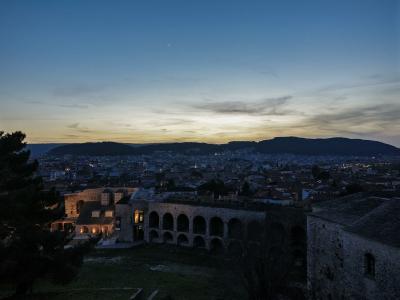
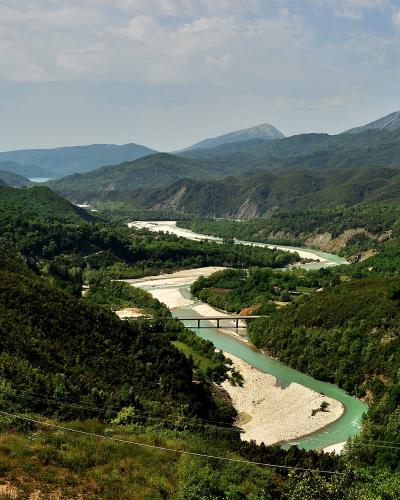
Arta, historically known as Ambracia, holds a significant place in the history of ancient and medieval Greece. Founded in antiquity, the city served as a strategic hub in the region of Epirus. During the Byzantine era, it became the capital of the Despotate of Epirus, a period that left a lasting imprint on the city’s architecture and cultural identity. The historic center retains the character of this turbulent past, with structures that reflect the region's complex history. The name Arta itself is derived from the local river, Arachthos, which flows through the city. The area is steeped in tradition, with local customs and religious festivals that have been preserved for centuries. The blend of ancient heritage and modern life creates a unique atmosphere, where the past is constantly visible in the architecture and daily life of the residents.
Main Attractions
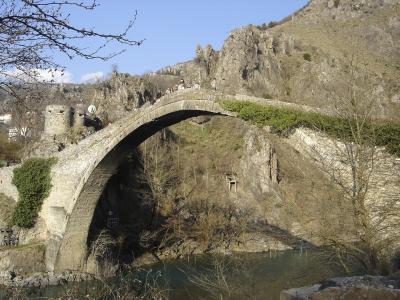
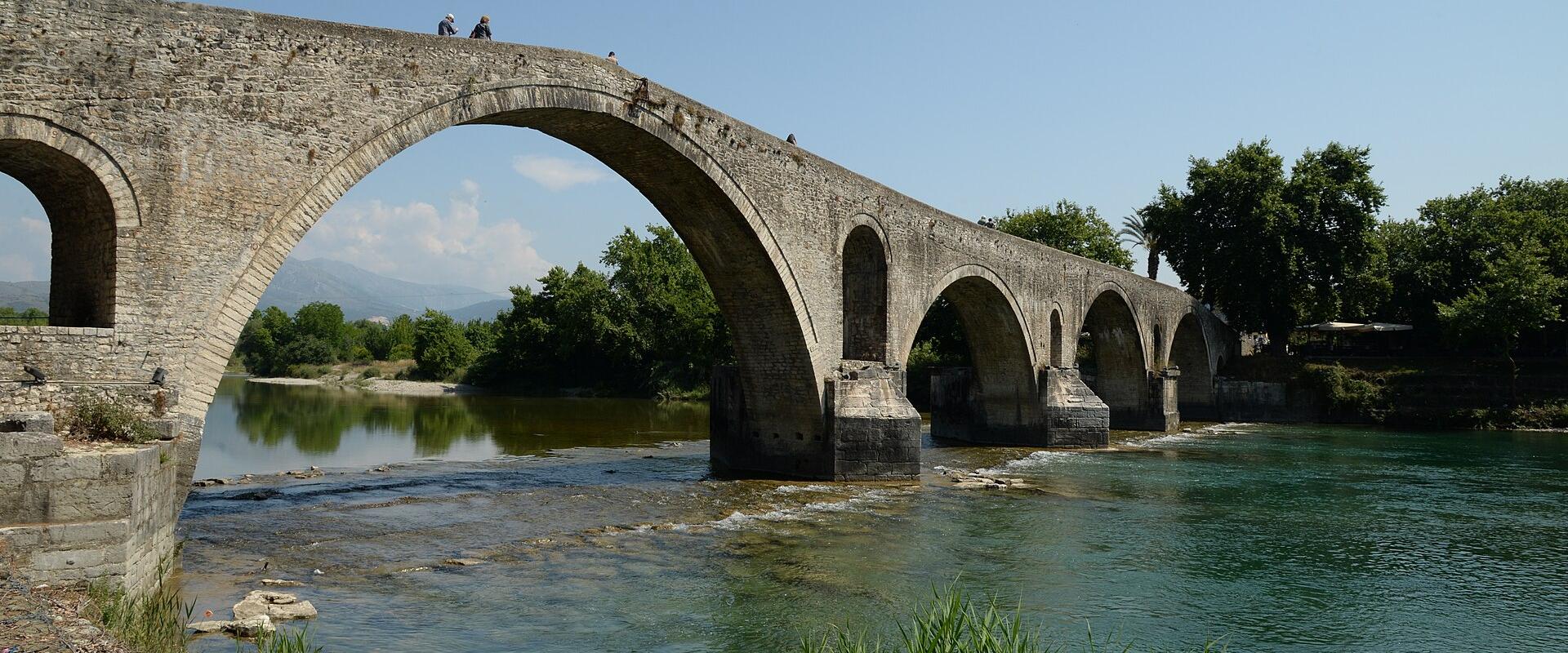
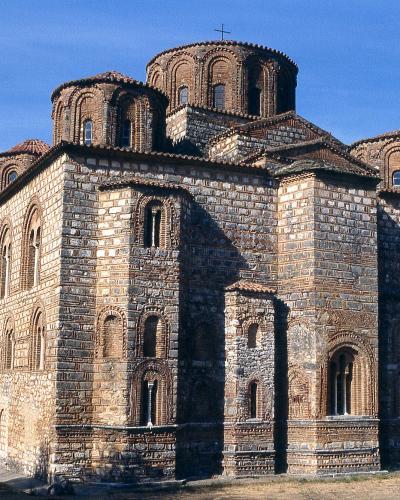
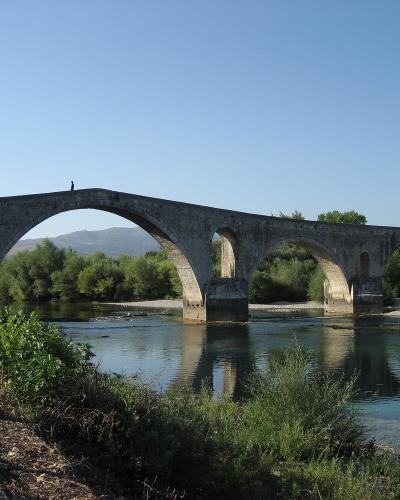
The most prominent landmark in Arta is the iconic bridge, a medieval structure that spans the Arachthos River. This bridge, often referred to as the "Bridge of Arta," is a symbol of the city and a testament to the engineering skills of the past. The legend associated with the bridge, involving the builder who was killed to ensure its permanence, adds a layer of mystique to the site. Another key attraction is the Panagia Paregoretissa, a Byzantine church built in the 13th century. The church is renowned for its architecture and its well-preserved frescoes, which offer a glimpse into the religious art of the time. The surrounding area, including the castle, also offers historical insights, with ruins that hint at the city's strategic importance in previous centuries.
Activities
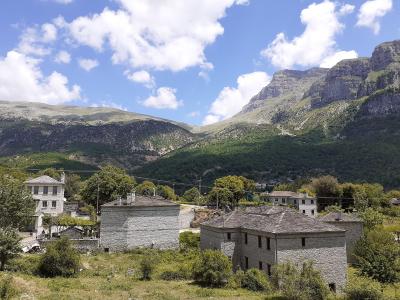
Visitors to Arta can engage in a variety of activities that highlight the region's natural and cultural beauty. The area is ideal for hiking, with numerous trails leading through the surrounding mountains and forests. The dense vegetation, including pine, chestnut, and beech trees, provides a lush backdrop for exploration. The region is also known for its religious tourism, with several monasteries and churches that offer a peaceful retreat. The local culture is vibrant, with a focus on traditional crafts and local cuisine. Visitors can explore local markets, sample traditional dishes, and experience the warm hospitality of the local people. The combination of natural beauty and cultural heritage makes Arta a compelling destination for those seeking a meaningful travel experience.
Getting There
Arta is well-connected by road, with regular bus services connecting the city to major urban centers in Greece. Intercity buses, operated by KTE, provide regular connections to Athens, with a travel time of approximately five to five and a half hours. The route is well-maintained, and the buses are equipped with modern amenities. For those traveling from other regions, such as Ioannina, the journey is also straightforward, with regular bus services available. The accessibility of Arta makes it an easy destination to reach, whether by public transport or private vehicle.
Best Time to Visit
The best time to visit Arta is during the spring and autumn months, when the weather is mild and pleasant. The spring months, particularly April and May, offer ideal conditions for exploring the city and its surroundings, with mild temperatures and blooming nature. The autumn months, particularly September and October, are also excellent, with comfortable weather and fewer crowds. The summer months can be hot, but the proximity to the water and the surrounding mountains provides some relief. Winter is cooler, with the potential for rain, but the city retains a quiet charm. The best time to visit depends on personal preference, but the spring and autumn months offer the most comfortable conditions for exploration.
Best Time to Visit
May through October offers ideal weather for exploring, with warm, dry conditions perfect for sightseeing.
Plan Your Visit to Arta
Essential travel tips and information for your trip to Arta.
Suggested Itineraries
One Day in Arta
1 dayPerfect for a quick visit. See the main highlights and get a taste of local culture.
Extended Arta Experience
2-3 daysComprehensive exploration including nearby attractions and cultural experiences.
Travel Tips
Currency
EUR • Cards widely accepted
Language
Greek • English in tourist areas
WiFi
Free WiFi in cafes and hotels
Explore Arta by Interest
Discover attractions and experiences in Arta organized by your interests and travel preferences.
All attractions in Arta
Sorted by our recommendation score
Quick Facts
Book your stay
Frequently Asked Questions
More destinations in Epirus
Explore other amazing places in the Epirus region