
Foundations of Western Thought
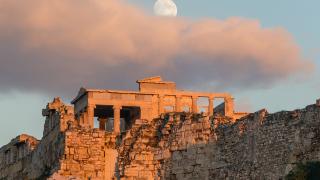
Greek history begins with the Archaic period. This era established the polis structure. Democratic governance emerged in Athens during the Classical period. The Acropolis in Athens stands as a key landmark. It connects visitors to the legacy of Socrates. Aristotle also taught in this historic Athenian context. The ancient theater at Epidaurus showcases architectural precision. Religious significance centers on Delphi and Olympia. These sites remain central to understanding Greek heritage. Philosophical contributions defined Western intellectual traditions. Athenian thinkers shaped logic and ethics permanently. The guide highlights these ruins for their depth. Living traditions continue from the Byzantine era. Museums preserve artifacts from ancient to contemporary times. Travelers explore these sites to understand Western roots. The Acropolis remains the primary historical destination. It anchors the cultural narrative of the region. Visitors experience the direct link to ancient thought. This heritage defines Greece’s global historical status. The ruins offer concrete evidence of early democracy. Philosophical schools influenced subsequent European intellectual movements. The landscape supports these significant historical narratives. Travelers engage with the cradle of civilization directly.
Imperial Expansion and Hellenistic Legacy
Alexander the Great expanded Greek influence across three continents. His conquests spread Hellenistic culture widely. This era blended Greek traditions with local customs. Roman rule followed, bringing significant administrative changes. The Romans integrated Greek culture into their empire. They adopted Greek gods and philosophical traditions. Athens remained a center for education and law. Roman emperors built new structures in Greek cities. These structures often blended Greek and Roman styles. The Agora in Athens saw continued political activity. Roman administrators maintained local governance structures. Greek language remained the primary medium for trade. Roman infrastructure improved local transportation networks. New roads connected major urban centers. This connectivity facilitated trade and cultural exchange. Religious practices remained largely unchanged during this period. Local deities continued to receive worship. Greek and Roman religious practices coexisted. Temples in Athens retained their cultural significance. The Acropolis remained a central religious site. Hellenistic art influenced Roman artistic traditions. Greek sculptors influenced Roman artistic styles. This cultural synthesis defined the region's heritage. The blend of Greek and Roman elements created a unique cultural identity. This legacy remains visible in modern Greek architecture.
Byzantine Sanctuaries and Orthodox Tradition
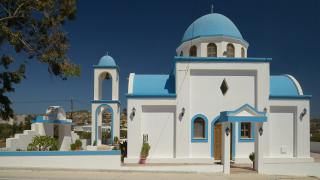
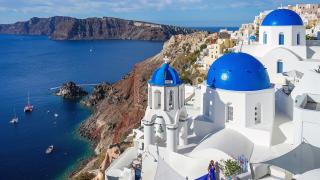
Eastern Orthodox Christianity defines Greece’s spiritual landscape. The fall of Constantinople in 1453 shifted ecclesiastical authority. Greek monastic communities preserved ancient texts during Ottoman rule. Monasteries like Meteora serve as vital cultural centers. Architectural styles evolved from early basilicas to complex domes. Iconography remains central to Orthodox worship and identity. Mosaic work and frescoes decorate many historic churches. These artistic traditions reflect deep theological themes. The Greek Orthodox Church maintains strict liturgical traditions. Pilgrims visit Mount Athos for its unique monastic autonomy. This autonomous state preserves ancient Byzantine customs. Monastic communities continue to manage significant land holdings. They offer hospitality to visitors seeking spiritual retreat. Iconostases separate the nave from the sanctuary in churches. These wooden screens display sacred icons prominently. The fusion of pagan sites and Christian structures is visible. Many ancient temples were repurposed as early churches. This architectural shift marks a significant historical transition. Greek heritage blends classical antiquity with medieval religious devotion. Travelers encounter living traditions in rural parishes. Festivals celebrate saints with local customs and food. These events reinforce community bonds and religious faith. The continuity of Orthodox practice distinguishes Greek culture. It provides a direct link to the Byzantine era. Understanding this history enhances appreciation of Greek monuments.
Ottoman Rule and National Awakening
Ottoman control lasted nearly four centuries. Greek Orthodox Church preserved language and faith. Monasteries served as cultural centers. The Filiki Eteria organized resistance secretly. Revolution began in 1821. Key figures included Kolokotronis and Miaoulis. Foreign powers intervened in the conflict. The Treaty of London recognized independence. Modern Greece emerged from this struggle. Neoclassical architecture defined the new state. King Otto invited German architects. They designed buildings in Athens. The University of Athens opened in 1837. Its facade mimicked Greek temples. This style rejected Ottoman influences. Urban planning transformed Athens significantly. Streets replaced narrow Ottoman alleys. Public squares became civic hubs. The Royal Palace anchored the city. These structures projected national strength. Heritage revival reinforced political identity. Ancient symbols legitimized the new monarchy. Education systems adopted classical models. Literature emphasized historical continuity. This period forged modern Greek identity. It connected ancient past to present. The state utilized heritage for unity. This approach stabilized the new nation. It created a distinct cultural identity. This legacy remains central today.
Modern Conflicts and Contemporary Identity
The 20th century brought significant political instability to Greece. The 1940s Axis occupation caused severe infrastructure damage. A subsequent civil war divided the nation politically. These conflicts shaped modern Greek national identity. The 1974 transition restored democratic governance. This political stability allowed for cultural preservation. Greece joined the European Economic Community in 1981. EU integration provided funding for heritage conservation. The Acropolis Restoration Project exemplifies this modern approach. It uses advanced technology to protect ancient stone. The Acropolis Museum bridges ancient history and modern life. It displays artifacts in a contemporary architectural setting. This approach preserves heritage while ensuring public access. Greek heritage management now balances preservation with tourism. Local communities play a key role in this process. Traditional festivals continue to reflect ancient cultural roots. The Acropolis remains a central symbol of this identity. Greek heritage management continues to evolve with modern needs.