Start your journey in Athens. It serves as the primary entry point for all travel. From there, ferries connect the mainland to the islands. You must book these ferries in advance. The schedule varies by season and time of day. High-speed options exist but cost more than standard ferries. Travel time depends on the specific route chosen. Some crossings take only a few hours. Others require a full day at sea. You must plan your transit carefully. The Greek archipelago is complex. Many islands are small and remote. Bus connections are limited on smaller isles. You may need to combine transport modes. Cash is preferred on smaller islands. Credit cards are not always accepted. Plan your budget for local transport. Ferries are the primary link between islands. Book early to secure seats. The experience is distinct from mainland travel. Prepare for variable schedules. Flexibility is essential for a smooth trip. The logistics require careful planning. Time management is critical for success. Ensure all tickets are confirmed before departure. This ensures a seamless travel experience.
The Classic Cycladic Circuit
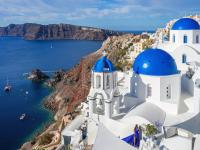
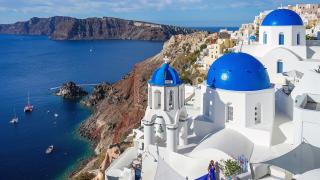
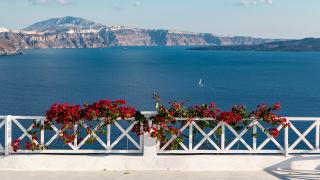
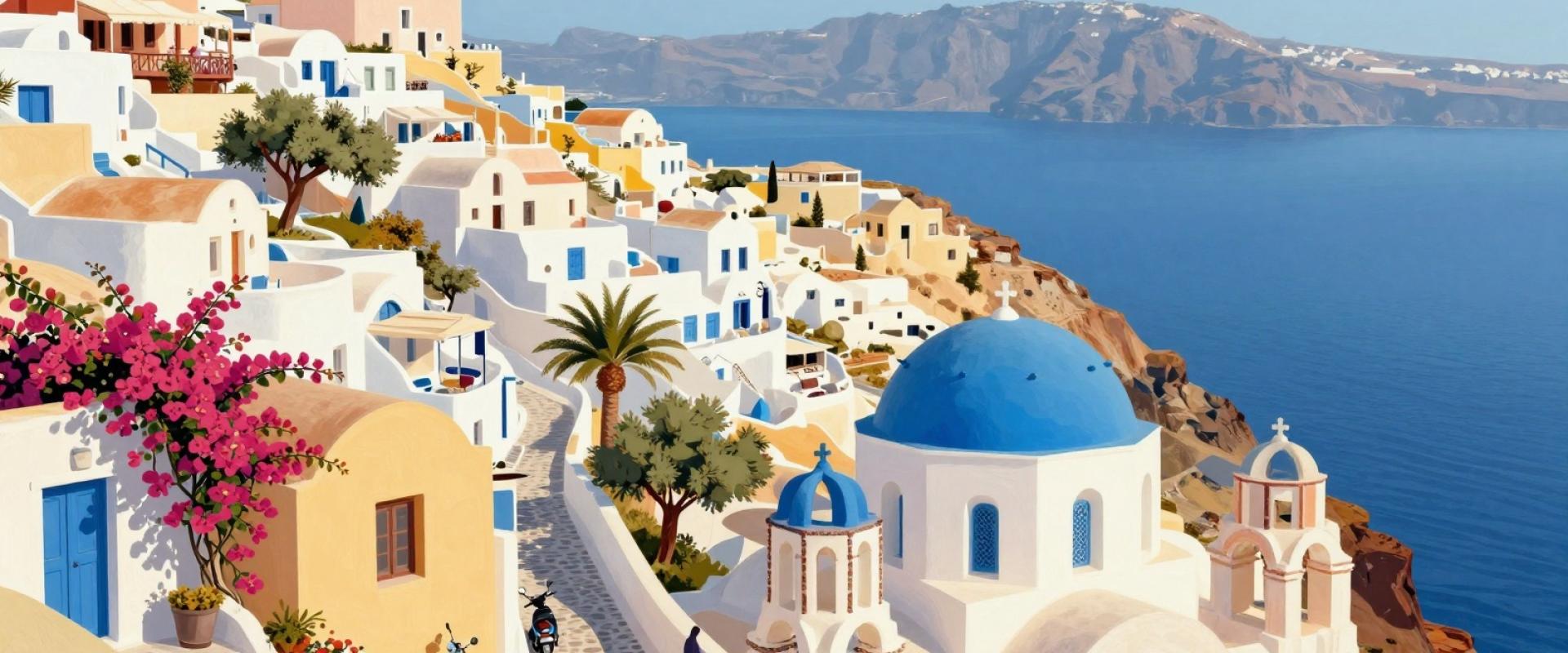
This itinerary targets first-time visitors to Greece. It focuses on the classic Cycladic islands. The route typically includes Santorini and Mykonos. Naxos is also a standard stop. This structure suits first-time visitors well. The islands are close to each other. Travel between them is efficient. Ferries connect the islands regularly. You can move between locations quickly. The schedule balances luxury and relaxation. You will experience white-washed architecture. Blue-domed churches are common sights. The climate is warm and sunny. This is the peak tourist season. Crowds are common in high season. Book ferries in advance for safety. Cash is preferred on smaller isles. Credit cards work in main areas. The experience is relaxed and leisurely. You can explore local villages easily. The pace is slow and calm. This is the standard Greek holiday. It is the most popular option. Many travelers choose this specific route. It is the classic Greek experience. The infrastructure supports this travel style. Ferries are frequent and reliable. The logistics are well-established. This is the standard approach for tourists. It is the most common choice. The itinerary is well-documented and clear. You can plan with confidence. The route is well-trodden and safe. The experience is reliable and standard. This is the classic Greek holiday. It is the most popular choice. The itinerary is well-established and clear. The route is standard and safe. The experience is reliable and standard.
Mainland Connections and History
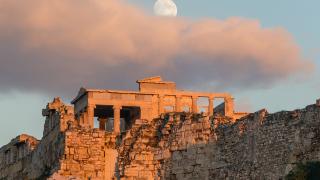
Athens anchors the mainland experience. It serves as the primary entry point for all travel. Ferries connect the mainland to the islands. This structure supports a balanced itinerary. You can blend island relaxation with historical depth. The route typically includes major historical sites. Acropolis ruins offer significant historical context. This approach requires allocating sufficient time. You must balance island hopping with cultural immersion. The two-week duration allows for this pace. You can explore ancient sites in the morning. Afternoons are reserved for island relaxation. This structure ensures a comprehensive Greek experience. It integrates historical depth with leisure. The itinerary accommodates both history and relaxation. This balance is essential for a complete trip. You experience the full scope of Greek heritage. The plan integrates ancient history with modern leisure. This approach maximizes the value of your time. You gain a deeper understanding of the culture. The structure supports a meaningful and educational journey. It ensures a comprehensive and engaging travel experience.
Pacing and Seasonal Considerations
A relaxed pace is essential for this itinerary. Rushing through the islands diminishes the experience. The provided guide suggests two specific options. One option involves a faster, more intense schedule. The other allows for a slower, more leisurely exploration. You must choose the rhythm that suits your needs. The timing of your visit is equally critical. The ideal months are May, June, and September. These shoulder seasons offer the best balance. The weather is warm but not oppressive. The crowds are manageable compared to the peak summer months. You avoid the extreme heat of July and August. The ferry connections are frequent during this period. You can easily move between islands like Naxos and Santorini. The local buses also run on reliable schedules. This timing ensures a comfortable and enjoyable experience. You can explore the ancient sites without the intense heat. The atmosphere remains calm and inviting. This approach allows for a deeper connection with the local culture. You can truly appreciate the Greek way of life. The pace allows for relaxation and reflection. It is the best way to experience the country.
Practical Logistics and Budgeting
The currency is the Euro. Credit cards work in most places. Cash remains essential for small expenses. Use it for local kiosks and small vendors. Transport costs vary by season and route. Flights between Athens and major islands are quick. These flights take less than one hour. Ferries connect the mainland to the islands. Book ferries in advance to secure seats. Prices change based on the time of year. Plan transportation costs carefully to avoid surprises. Budget for extra fees during peak season. This ensures a smooth and stress-free experience. The itinerary structure supports a balanced travel plan. You can blend island hopping with mainland stops. This approach minimizes unexpected expenses. Careful planning prevents financial stress. The provided guide outlines specific budget needs. Follow the recommended schedule for best results. This structure supports a relaxed and affordable trip. The two-week format allows for flexible pacing. You can adjust daily activities as needed. This flexibility helps manage overall travel costs effectively.