Aegean
Greek islands and coastal mainland
- 11 destinations
- 95 attractions
About Aegean
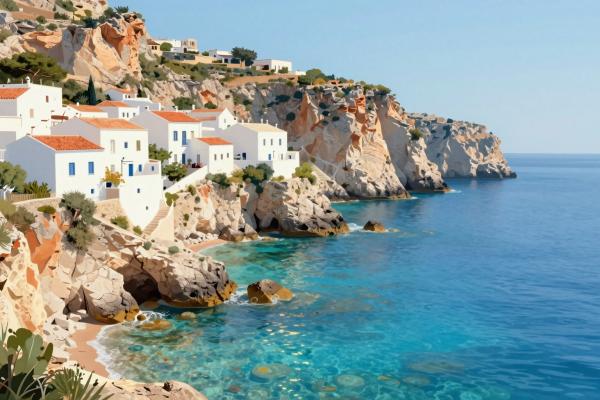
The Aegean region encompasses the scattered archipelagos and the eastern coastline of mainland Greece, defined by the sparkling waters of the Aegean Sea. It serves as a vital hub for maritime history and island culture.
The Aegean region spans the eastern edge of mainland Greece and the numerous islands scattered across the Aegean Sea. Its boundaries are defined by the sea to the east and the mountainous terrain of Macedonia and Thrace to the north and west. Key urban centers include Thessaloniki, the region's largest city and cultural capital, and smaller port towns like Kavala and Alexandroupoli on the mainland. The islands range from large, populous hubs like Crete and Rhodes to smaller, quieter Cycladic islands such as Santorini and Mykonos. Visitors are drawn to the region's diverse attractions, from the ancient ruins of Knossos and the medieval Old Town of Rhodes to the volcanic landscapes of Santorini. Cultural highlights include the vibrant Byzantine heritage found in churches across the mainland and the distinct island traditions in music, cuisine, and architecture. Natural features vary significantly, offering rugged mountain trails in Crete, white-sand beaches in the Cyclades, and lush green valleys in Lesbos. The best time to visit is between May and October, when the weather is warm and sunny, though shoulder months offer fewer crowds. Access is primarily via international airports in Thessaloniki and major island hubs, with extensive ferry networks connecting the islands and mainland ports like Piraeus. Local transport includes buses, rental cars, and ferries, making exploration of this fragmented geography both accessible and adventurous.Where to go in Aegean

Aegean
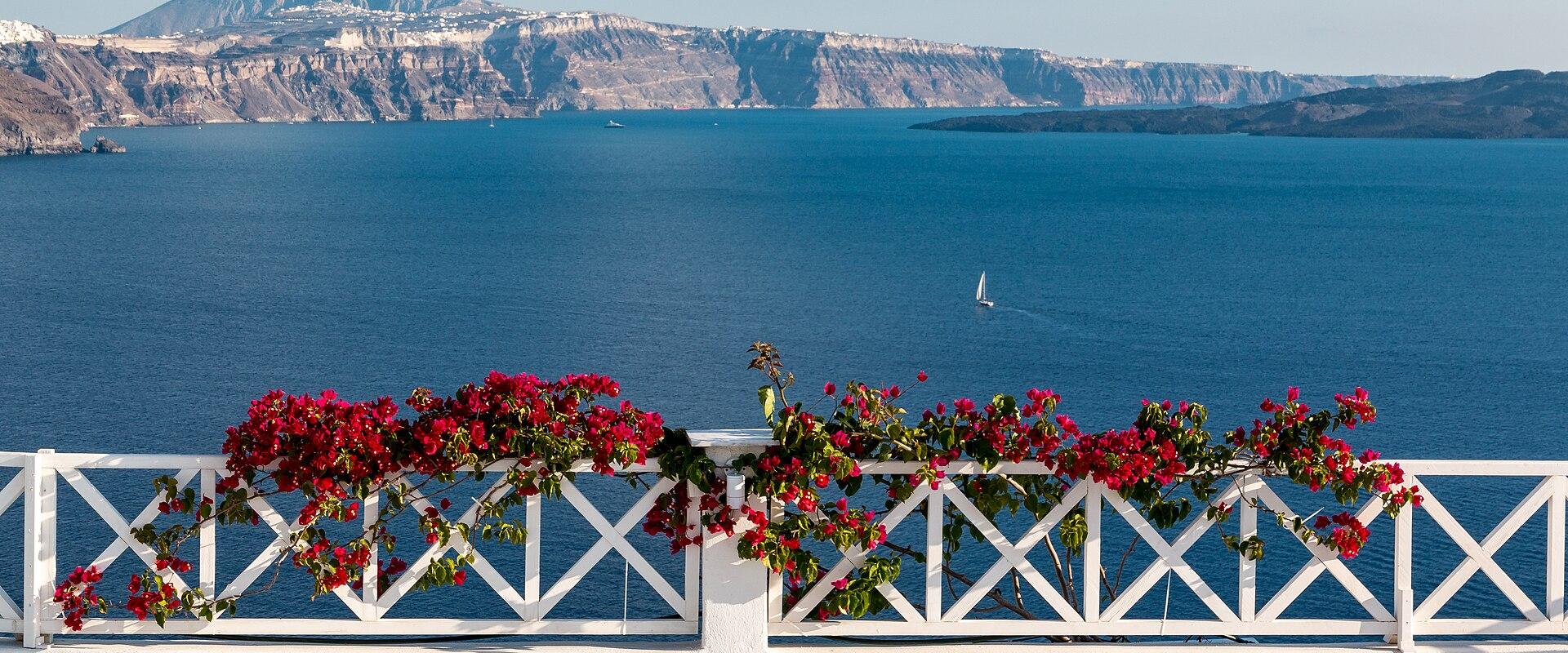
Santorini
Volcanic island with white-washed villages and caldera views
Aegean
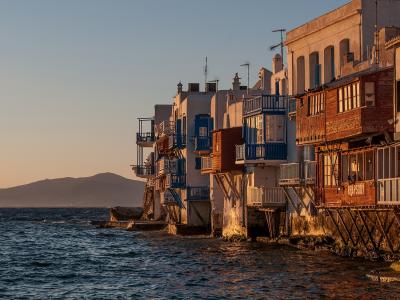
Mykonos
Cycladic island with iconic white windmills
Aegean
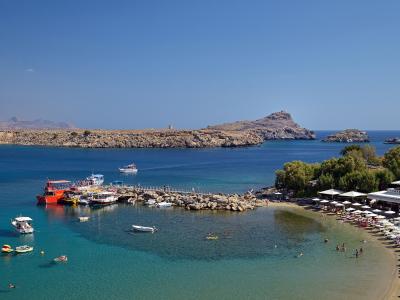
Rhodes
Aegean island with medieval Old Town

Aegean
Naxos
Largest Cycladic island with Portara and Venetian castle
Aegean
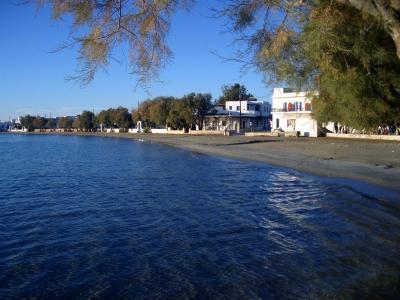
Paros
Cycladic island with white marble churches and beaches
Aegean
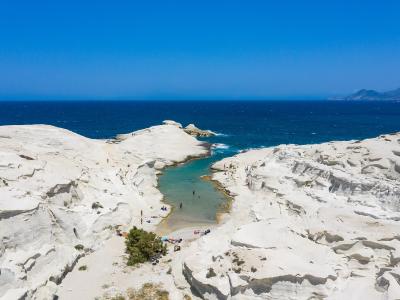
Milos
Volcanic island with unique rock formations
Aegean
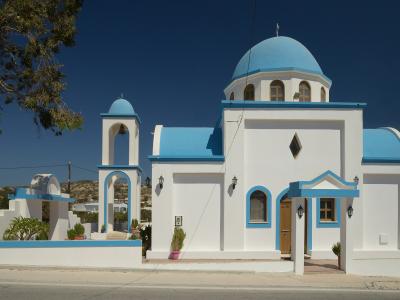
Kos
Aegean island with ancient Asklepieion and sandy beaches
Aegean
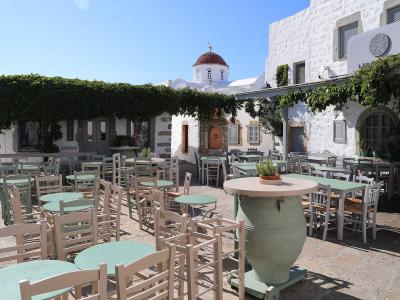
Patmos
UNESCO island with monastery where Revelation was written
What to see
Patmos · Religious Heritage
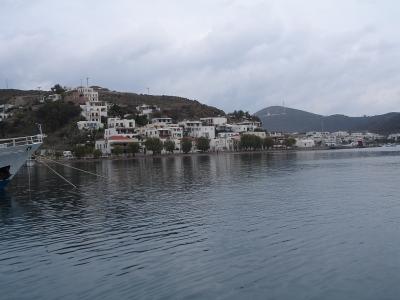
Chora (Patmos Town)
Climbing the hill above the port of Skala, the whitewashed town of Chora is the medieval capital of Patmos and one of th...
Milos · Archaeological Sites
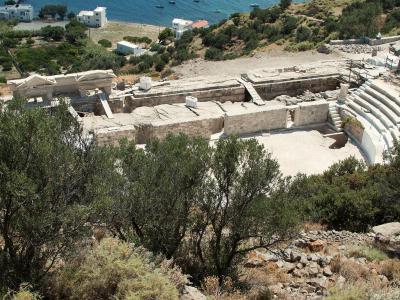
Ancient Theatre of Milos
The Ancient Theatre of Milos lies on a green hillside above the harbour of Klima, near the village of Tripiti, with a wi...
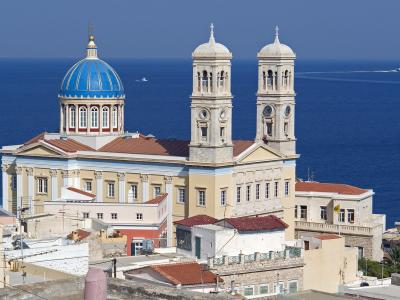
Ermoupoli · Historic Sites & Ruins
Ayios Nikolaos Church
In a town of neoclassical showpieces, the Church of Ayios Nikolaos, or Agios Nikolaos, is the great religious building o...
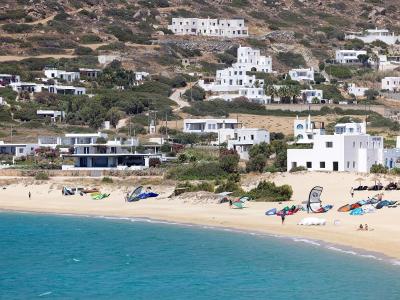
Naxos · Natural Landscapes
Beaches
Golden sand beaches in Naxos, Greece
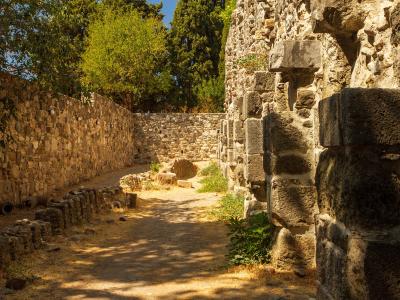
Kos · Historic Sites & Ruins
Hippocrates Historical Site
Ancient healing sanctuary on a hillside
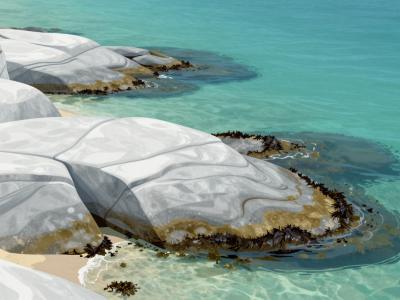
Paros · Beaches
Kolymbithres Beach
Kolymbithres Beach lies on the northern coast of Paros, a few kilometres from Naoussa, on the western side of Monastiri...
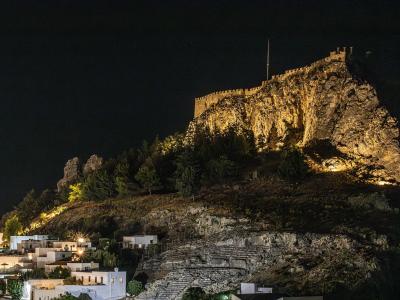
Rhodes · Historic Sites & Ruins
Lindos Acropolis at Night
Lindos Acropolis at Night is a visual experience rather than a visit: after dark the Acropolis can no longer be entered,...
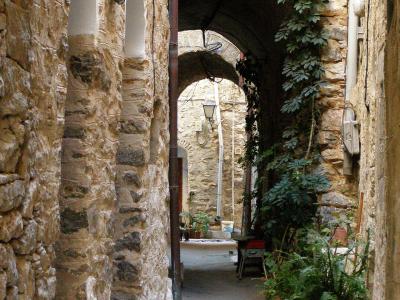
Chios · Natural Landscapes
Masta (Mastic) Production Areas
UNESCO-listed mastic production in Chian villages
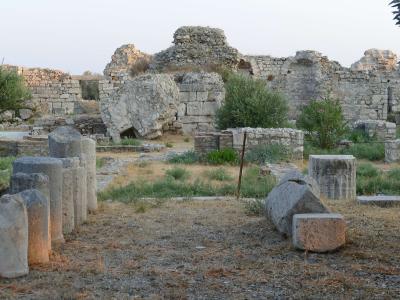
Samos · Historic Districts
Pythagorio (Main Hub/Port)
Ancient port and archaeological site
Stories and tips
· 4 min read
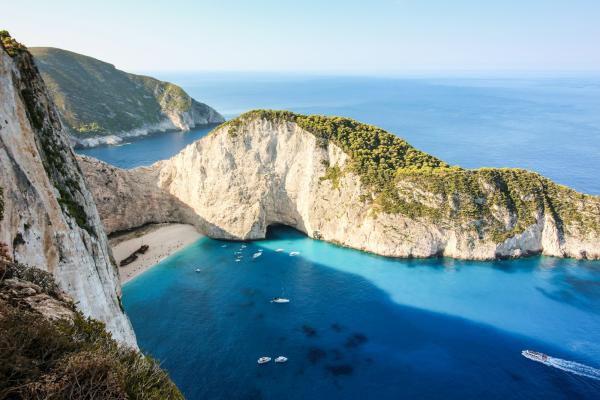
Greek Island Hopping 101: Routes, Ferries and Planning Tips for First-Timers
How to plan a first Greek island-hopping trip: choosing an island group, reading the ferry network, booking tickets, and allowing for wind, crowds and long crossings.

· 4 min read
Sailing the Dodecanese: Charter Guide from Rhodes and Kos
Bareboat or skippered, when to go, what licence you need and which islands to sail to from the Rhodes and Kos charter bases.
· 5 min read
Scuba Diving in the Aegean: Greek Diving Rules, Seasons and Where to Go
What divers need to know before diving in the Greek Aegean: the rules on antiquities and dive centres, water temperatures and seasons, the main dive areas, and the underwater archaeological sites now open to visitors.