

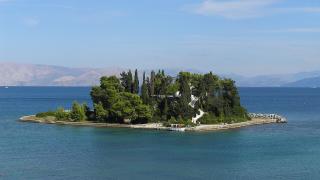

Why Greece is a Family Paradise
Greek culture prioritizes family values, creating a welcoming environment for children. Local communities are inherently family-oriented, ensuring a safe atmosphere for all visitors. Greek hospitality, or philoxenia, emphasizes warmth and care for guests. This cultural trait extends to children, making them feel welcome in local businesses. Families can easily navigate the country due to high accessibility. Infrastructure supports family needs, including stroller-friendly paths and family rooms. Local communities are accustomed to hosting international families. This familiarity reduces stress for parents traveling with young children. The social structure supports family bonding in public spaces. Restaurants often provide high chairs and child-friendly menus. This accessibility ensures a smooth and enjoyable travel experience for the entire family unit.
Beach Adventures for Kids
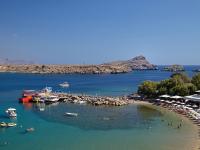
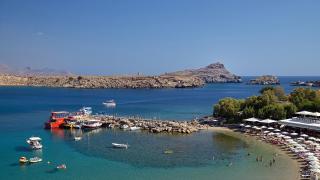
Greek coastal regions offer safe, shallow waters ideal for children. Many beaches feature gentle, sloping entry points. This allows young swimmers to wade safely in calm, clear waters. The seabed is often sandy and soft, reducing injury risks. Families find this environment significantly less stressful than rough, open seas. Local infrastructure supports these needs with accessible amenities. Shaded umbrellas and sunbeds are widely available on popular shores. Clean, accessible restrooms are standard at major family-friendly beaches. These facilities ensure comfort for parents managing young children. The combination of safe water and convenient amenities reduces travel stress. Parents can relax while children play in the shallow, warm sea. This setup supports a stress-free vacation experience for the entire family. Greek coastal management prioritizes safety, making it a reliable choice for families. The clear, calm waters provide a secure environment for young swimmers to learn and play. This specific geographic feature supports a safe, enjoyable family vacation experience.
Exploring Ancient History
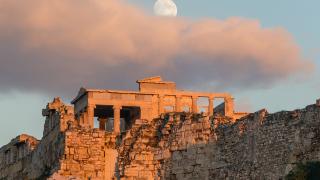
Visit ancient sites like the Acropolis in the morning. This avoids midday heat and large crowds. The Acropolis is a major landmark in Athens. Children can explore the ruins of ancient structures. Interactive elements make the history engaging for kids. Look for guided tours that explain myths. These tours often include stories about Zeus and Athena. This helps children connect with the historical context. Greek sites offer unique educational opportunities. Families can learn about ancient Greek culture directly. The experience is both educational and entertaining. It is important to plan visits carefully. Morning visits are often less crowded. This allows for a more relaxed exploration. Guidebooks provide useful information for planning. They highlight key sites and historical context. Families should prepare for warm weather. Sun protection is essential during midday hours. Greek heritage sites are well-maintained for visitors. Staff are often available to answer questions. This enhances the educational value of the visit. Families can enjoy a meaningful cultural experience. The ancient history of Greece is accessible. It offers a unique perspective on history. This approach makes learning about the past engaging. It is suitable for children of all ages. The experience is both educational and memorable.
Island Hopping with Kids
Ferries provide a family-friendly transport option in Greece. These vessels offer amenities suitable for children. Travel time is minimized by choosing close islands. This approach reduces travel fatigue for young children. Plan activities around each specific island destination. The Cyclades offer a logical route for families. Start with Naxos or Paros for stability. Ferries connect these islands frequently. This schedule allows for flexible daily planning. Families can explore local beaches each morning. Afternoons are reserved for gentle exploration. Evenings allow for rest and local dining. Greek hospitality ensures a welcoming atmosphere. Local communities are accustomed to international visitors. This makes navigation easier for families. The climate supports outdoor activities year-round. Summer months offer warm, stable weather. This is ideal for swimming and beach play. Ferries connect major hubs efficiently. This connectivity is essential for island hopping. Families can visit multiple locations in one trip. This maximizes the vacation experience. The Greek islands offer diverse landscapes. Each island has unique cultural features. Children can experience local traditions directly. This provides an educational travel experience. Greek cuisine is generally family-friendly. Fresh seafood and simple dishes are common. This suits most children's dietary needs. The slow pace of island life is beneficial. It allows for relaxed exploration. Families can enjoy the local rhythm. This creates a memorable and stress-free vacation. The Greek islands are a safe destination. Local communities are generally safe and welcoming. This provides peace of mind for parents. The infrastructure supports family travel well. Ferries, hotels, and restaurants are equipped for children. This makes the trip manageable for all ages.
Practical Tips for Family Travel
Prepare all travel documents in advance. Greek authorities require valid identification for entry. Pack light, but include essential sun protection. The Mediterranean sun is intense during midday hours. Stay hydrated by drinking bottled water frequently. Local tap water is not always safe for drinking. Take regular breaks in shaded areas to avoid heat exhaustion. Be flexible with your daily itinerary. Sudden heat waves or ferry delays may occur. Adjust your schedule to maintain comfort and safety. Embrace local Greek culture and traditions. Greet shopkeepers with a polite 'Kalimera' (good morning). This gesture builds rapport with local vendors. Respect quiet hours in residential neighborhoods. Noise levels should remain low in the evening. Participate in local customs with respect. Tipping is appreciated but not strictly mandatory. Small gestures show appreciation for good service. Always carry small change for tips. This supports local service staff directly. Be mindful of religious sites. Dress modestly when visiting monasteries. Cover shoulders and knees at all times. This shows respect for local religious traditions. Follow all posted signs at archaeological sites. Do not touch ancient artifacts or structures. These items are fragile and historically significant. Preserve these sites for future generations. Stay alert in crowded tourist areas. Keep valuables secure and close to your body. Be aware of your surroundings at all times. This ensures a safe and enjoyable experience for the entire family.