




Greek retail operates on a distinct midday schedule. Most local shops close for a midday break. This pause typically occurs between 14:30 and 17:00. You must plan your shopping around this closure. Large urban centers offer more flexibility. Areas like Athens feature extended commercial hours. Supermarkets often close by 9:00 PM. Cash remains essential for smaller vendors. Independent boutiques may not accept credit cards. Always carry cash for small purchases. Major streets like Ermou offer international brands. These areas provide a modern retail experience. Traditional markets offer local goods and textiles. You will find unique items at good value. The siesta culture significantly affects opening hours. Plan your visits to avoid closed stores. Midday is generally not a time for shopping. Evening hours are better for boutique shopping. Always check specific store hours before visiting. This ensures you do not miss open times. Greek retail blends traditional and modern styles. Be prepared for limited midday access. Cash is the safest payment method. Credit cards are less reliable in small shops. Plan your itinerary around these operational rules. This ensures a smooth shopping experience in Greece.
The Mainland Hubs: Athens and Thessaloniki
Athens stands as the undisputed central hub for retail in Greece, offering a diverse shopping landscape that caters to every budget and style preference. For travelers seeking affordable, high-street fashion, Ermou Street is the premier destination. Located in the heart of the city, this bustling pedestrian artery is lined with international chains and local boutiques, making it ideal for budget-conscious shoppers looking for trendy clothing, accessories, and souvenirs at competitive prices.
In stark contrast, the upscale district of Kolonaki represents the epitome of luxury shopping. Here, visitors will find high-end boutiques featuring renowned designer brands, exclusive jewelry stores, and elegant fashion houses. The atmosphere in Kolonaki is sophisticated and refined, perfect for those seeking premium quality and unique luxury items. By offering this distinct separation between accessible high-street options and exclusive luxury experiences, Athens ensures that both budget-conscious tourists and luxury shoppers can find exactly what they need. This dual nature makes the capital a versatile and essential stop for any retail-focused itinerary in Greece.
Traditional Markets and Local Crafts
Step away from the modern retail chains and immerse yourself in the vibrant soul of Greece through its traditional markets. These bustling hubs offer a unique, handcrafted alternative to standardized shopping, where every item tells a story of heritage and craftsmanship. At the heart of this experience is the iconic Monastiraki market, a labyrinthine haven for vintage treasures, antique curios, and artisanal goods that whisper tales of the past. Here, you can discover local crafts that embody the Greek spirit, such intricately carved olive wood products and hand-painted ceramic pottery. Each piece is not merely an object but a testament to the enduring skill of local artisans. Visiting these markets provides more than just a shopping experience; it offers an authentic cultural immersion, allowing you to connect with the living traditions and warm hospitality that define Greek culture. It is an opportunity to take home a tangible piece of Greece, crafted with care and steeped in history.
Island Specifics and Local Specialties
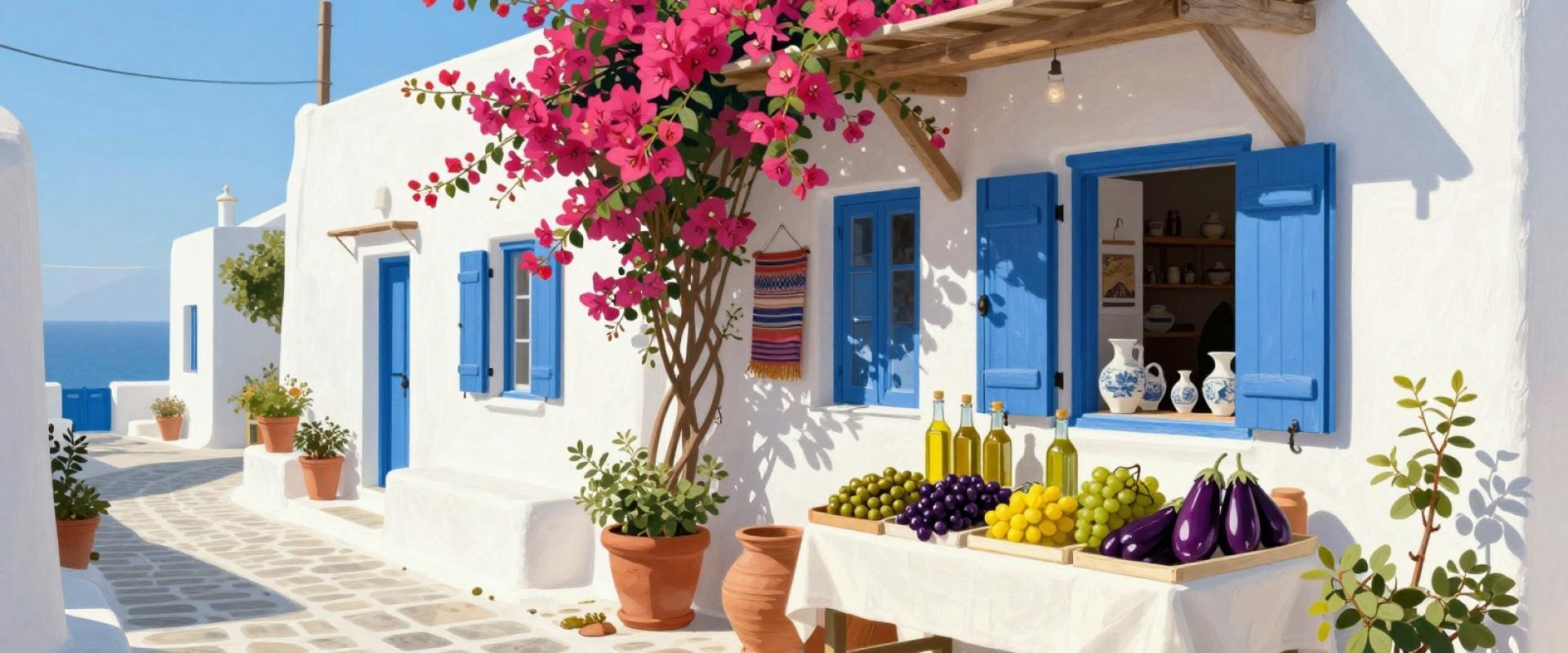
Greek islands offer distinct retail experiences. Local markets feature unique regional products. You will find high-quality olive oil in local shops. These products are often produced on the island itself. Local artisans craft unique items by hand. You can purchase traditional sweets and local delicacies. These items reflect the specific culture of each island. Supporting local artisans directly supports the local economy. This practice helps sustain the local community. Shopping in local markets offers a more authentic experience. You can buy unique, handcrafted items from local vendors. This approach ensures your spending benefits local residents. The variety of goods reflects the local heritage. You will find unique crafts not available elsewhere. This creates a more meaningful travel experience. The quality of local products is often high. You can purchase traditional items as souvenirs. This supports the local economy directly. The experience is more authentic than buying in large stores. You connect with the local culture through these purchases. This is a key aspect of Greek retail.
Practical Tips for Travelers
Carry cash for smaller shops and rural areas. Credit cards are widely accepted in urban centers. Always ask for a receipt. It is a legal requirement in Greece. This document is essential for VAT refunds. Be polite when bargaining in open markets. Respect local opening hours strictly. Most shops close midday and reopen in the late afternoon. Sunday is typically a rest day for many retailers. Plan your shopping around these specific closures. Avoid expecting 24-hour access to retail stores. Prepare for limited opening hours on public holidays. Check specific store hours before visiting. This ensures a smooth and enjoyable shopping experience. Do not assume standard international retail hours apply. Local customs dictate the operating schedule. Be patient with the slower pace. Respect the local rhythm of business. This approach ensures a respectful and smooth transaction. Always verify opening times before visiting specific boutiques.