
Coastal Diversity Overview
Greek beaches exhibit distinct geological variations across regions. The Cyclades islands feature white sand beaches. These sands result from eroded marble deposits. Santorini and Milos offer black volcanic sand. This sand originates from ancient volcanic activity. The Ionian islands typically have pebble shores. These stones are smoothed by wave action. Water clarity varies significantly by location. Aegean waters are generally clearer and deeper. Ionian waters are often greener and shallower. Temperature differences exist between the two seas. The Aegean heats up faster in summer. Swimming conditions depend on local geography. Some islands have limited sandy areas. Visitors should check specific island characteristics. Blue Flag certification indicates high water quality. Many Greek beaches hold this designation. This ensures safe swimming environments. Beach accessibility varies by terrain. Some locations require steep descents. Others offer easy vehicle access. Planning requires understanding regional geology. White sand reflects sunlight intensely. Black sand absorbs heat rapidly. Pebble beaches can be uncomfortable for bare feet. Bring appropriate footwear for pebble shores. Water visibility is excellent in clear zones. Strong currents may occur in exposed areas. Always check local swimming conditions. Regional diversity defines the Greek coastal experience.
Blue Flag Standards
Many Greek beaches hold Blue Flag certification. This status signals high environmental standards. The program monitors water quality weekly. Greece adheres strictly to EU directives. Certified beaches meet rigorous safety criteria. Lifeguards staff these designated swimming areas. Emergency equipment remains available on site. Visitors find clear safety information posted. The certification ensures clean, swimmable waters. Organized beaches offer structured recreational spaces. You benefit from professional supervision daily. However, wild beaches lack these services. Non-certified spots provide greater seclusion. These areas often have no lifeguards. Swimmers must assess risks independently. The trade-off involves safety versus solitude. Blue Flag beaches prioritize visitor security. They attract families seeking reliable conditions. Wild beaches appeal to adventurous travelers. You choose based on your preference. Organized sites require more infrastructure. This includes changing rooms and showers. Wild sites remain in natural states. Water quality varies at non-certified spots. Local authorities do not monitor them. You must check conditions yourself. Blue Flag status offers peace of mind. It guarantees regular environmental testing. This system benefits Greek tourism significantly. It highlights Greece’s commitment to quality. Many Cycladic islands feature these beaches. Santorini and Milos also participate. The certification helps identify safe zones. It guides tourists toward secure options. Understanding this distinction aids trip planning. You can select beaches accordingly. Safety remains a primary concern for visitors. Blue Flag beaches address this need effectively.
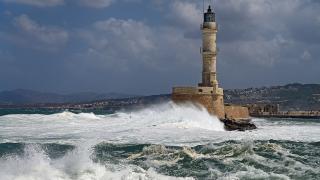
The Meltemi winds dominate the Aegean Sea from June through September. These strong northerly gusts significantly alter swimming conditions across Greek islands. Wave heights increase rapidly, creating choppy surfaces on exposed coasts. Currents strengthen near headlands, posing risks to casual swimmers. You must distinguish between windward and leeward beaches. Windward sides face the north, resulting in rough, turbulent water. Leeward sides remain sheltered, offering calmer swimming environments. Choose leeward beaches for safe, relaxed swimming. Check local forecasts daily, as wind intensity varies. The Meltemi provides a crucial cooling benefit during peak summer heat. However, prolonged exposure to wind and spray increases heat loss. Swimmers may feel cold despite high air temperatures. This physiological effect requires careful attention to duration. Water sports enthusiasts often prefer windward locations for sailing. Windsurfing and kiteboarding thrive in these stronger conditions. General swimming safety demands respect for these natural forces. Always observe local warning flags before entering the water. Blue Flag beaches maintain high safety standards despite weather changes. Lifeguards monitor conditions closely during the peak season. Plan your beach visits for early morning hours. Winds typically intensify by midday and peak in the afternoon. This timing allows for calmer swimming conditions before the gusts arrive. Understanding these patterns ensures a safer and more enjoyable experience. Prioritize sheltered coves when wind speeds exceed moderate levels. This strategy minimizes risk while maximizing comfort in the Greek sun.
Hydrotherapy Benefits
Swimming in the Aegean Sea offers distinct physiological advantages. The buoyancy reduces joint stress significantly. This relief is crucial for arthritis sufferers. Cardiovascular health improves through consistent water resistance. The cool Mediterranean waters stimulate circulation effectively. Psychological benefits include measurable stress reduction. Cortisol levels drop during mindful immersion. The rhythmic nature of waves promotes mindfulness. Greece’s volcanic islands provide unique mineral waters. Santorini’s thermal springs contain sulfur compounds. These minerals may benefit skin conditions. The volcanic origin ensures high mineral content. Swimmers often report improved dermatological health. Hydration remains critical during Greek summers. Temperatures frequently exceed thirty degrees Celsius. Drink water before and after swimming. Practice mindful swimming to maximize benefits. Avoid peak heat hours for safety. Early morning sessions offer cooler temperatures. The clear blue waters enhance visual calm. This clarity supports mental relaxation practices. Blue Flag beaches ensure safe hygiene. Certified sites meet strict EU standards. These standards protect swimmers from pollutants. Always check local wind conditions first. Meltemi winds can create dangerous currents. Respect local signage and lifeguard instructions. Combine swimming with hydration for optimal health. The Greek coastline provides a natural spa. Utilize the sea for physical therapy. The combination of heat and water aids recovery. Focus on steady, controlled breathing techniques. This approach enhances the hydrotherapy effect. The specific geography of Greece supports these benefits. The unique mineral composition is key. Always prioritize safety alongside wellness goals.
Essential Safety Protocols
Greek coastal waters present unique geological hazards. Volcanic islands like Santorini feature sudden depth changes. The seabed drops sharply just meters from shore. Swimmers must exercise extreme caution in these zones. Non-certified beaches often lack professional lifeguard supervision. Blue Flag beaches provide monitored safety standards. Always verify lifeguard presence before entering the water. The Greek sun delivers intense ultraviolet radiation. UV levels frequently reach dangerous extremes in summer. Apply reef-safe sunscreen to protect marine ecosystems. Reapply sunscreen every two hours for effective protection. Marine life awareness is critical for swimmers. Jellyfish blooms occur regularly in Aegean waters. Seek immediate medical help if stung. Vinegar neutralizes nematocysts more effectively than fresh water. Avoid touching any unidentified marine creatures. Respect local regulations regarding protected marine zones. These areas preserve biodiversity and ensure sustainable tourism. Entering restricted zones may result in significant fines. Heed all warning flags posted on the beach. Red flags indicate dangerous swimming conditions. Yellow flags suggest moderate hazards requiring caution. Always swim within designated safe areas. Local authorities enforce these rules strictly. Prioritize personal safety over convenience. Greek beaches offer stunning beauty but demand respect. Understanding local protocols ensures a secure experience. Stay informed about daily weather and sea conditions. Meltemi winds can create unpredictable currents. Check local forecasts before planning water activities. Adhering to these guidelines minimizes risk significantly.