Itinerary Framework
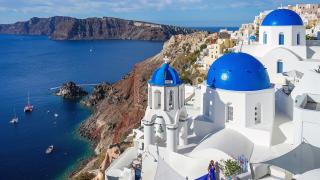
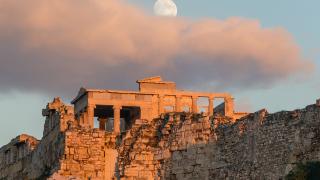
First-time visitors in Greece typically begin in Athens. This capital city hosts major historical sites. Acropolis and Parthenon require full day exploration. Travelers then move to nearby islands. Ferries connect mainland ports to Aegean destinations. This route requires two to three days minimum. Cyclades islands offer popular infrastructure for tourists. Santorini and Mykonos receive high visitor volume. Travelers should book ferries in advance. Summer months see peak crowd levels. The itinerary balances historical sites with relaxation. Mornings suit museum visits and ruins. Afternoons allow for beach relaxation. Greece features 227 inhabited islands. Most locations remain within 85 miles of the mainland. This proximity allows flexible travel planning. Visitors can switch between islands easily. Local ferries provide affordable transport options. Travelers should pack light for transit. Luggage handling becomes difficult on small boats. The itinerary accommodates various travel styles. Some prefer slow, multi-day island hopping. Others prefer direct, fast ferry connections. Flexibility is essential for a smooth trip. First-time visitors should plan buffer days. This accounts for potential ferry delays. The structure ensures a logical flow. It prevents travel fatigue during the holiday. Greek geography supports flexible itinerary planning. The mountainous terrain limits land travel. Sea transport remains the primary option. This framework ensures a feasible trip structure. It balances historical interest with relaxation. The structure accommodates different travel paces. It ensures a manageable and enjoyable experience for all visitors.
Transport Logistics
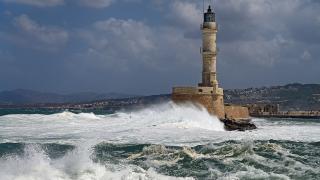
Ferries serve as the primary transport mode for inter-island travel. This network connects the Greek mainland to its many islands. High-speed ferries offer a faster alternative to standard vessels. These options are typically more expensive for travelers. Booking in advance is essential during the peak summer season. High demand often fills seats quickly in July and August. Weather conditions significantly impact ferry schedules in the Aegean. Strong seasonal winds, known as the meltemi, can cause delays. Travelers should check forecasts before planning island hops. The Aegean Sea can become rough, affecting safety and comfort. Flexible itineraries help manage potential schedule disruptions. Travelers should pack light to accommodate various transport modes. Luggage handling can be difficult on crowded ferries. Minimize luggage to navigate steps and narrow aisles easily. This approach reduces stress during transfers between islands. Greek islands are diverse, requiring adaptable travel plans. The archipelago structure necessitates frequent boat transfers. Plan extra time for connections between different islands. This ensures a smoother travel experience overall. Prioritize flexibility to handle weather-related delays effectively. This approach minimizes stress during the island-hopping journey. Greek island transport relies heavily on maritime connections. Plan accordingly to ensure a smooth and efficient trip.
Cultural Etiquette
First-time visitors in Greece should dress modestly when visiting religious sites. This is a strict requirement for entering churches. Greet locals with 'Kalimera' in the morning. Use 'Kalispera' in the evening. These gestures show respect for local culture. Tipping is appreciated but not mandatory. A small tip is a kind gesture for good service. Do not point with one finger. This gesture is considered rude in Greek culture. Instead, use your whole hand to indicate direction. Respect local customs during meals and social interactions. Greet shopkeepers when entering small businesses. This simple act is expected and polite. Greek culture values personal connection and hospitality. Engaging politely enhances the travel experience. Always be mindful of local traditions. Respecting these norms helps integrate into the local community. It shows respect for Greek heritage and people. This approach ensures a more authentic and respectful travel experience for all visitors.
Budgeting Basics
First-time visitors in Greece must plan a strict budget. Accommodation costs vary by season. Mid-range hotels offer good value for money. Book early to secure the best rates. Transport costs include ferries and local buses. Ferries connect islands to the mainland. Budget for these transit fees separately. Food expenses depend on dining choices. Taverne offer affordable local meals. Street food provides a budget-friendly option. Always carry cash in local currency. Many smaller shops do not accept credit cards. Cash is essential for small transactions. Tap water is safe in urban areas. Bottled water is preferred in remote areas. This ensures safety and peace of mind. Plan daily spending for meals and transport. Include a buffer for unexpected expenses. Manage money carefully to avoid overspending. Track daily expenses to stay within budget. This approach ensures a stress-free experience. Financial planning is key to enjoyment. Do not rely solely on credit cards. Keep small change for tips and snacks. This flexibility is essential for Greek travel. Budgeting allows for a relaxed vacation. Careful planning prevents financial stress later. Enjoy the culture without monetary worry.
Safety and Health
First-time visitors in Greece must secure valuables in crowded areas. Theft is a common risk in tourist zones. Heed flag warnings when swimming in the Aegean Sea. A red flag indicates dangerous conditions. Avoid the water if a red flag is displayed. Strong currents can pull swimmers out to sea. Have travel insurance that covers medical expenses. Local healthcare is good but can be costly. Pay out-of-pocket fees if uninsured. Be aware of local traffic laws when driving. Greek drivers may be aggressive on narrow roads. Drive carefully on mountain roads with sharp turns. Always wear seatbelts in vehicles. Check vehicle insurance coverage before renting. Ensure your insurance covers third-party liability. This is mandatory for all drivers in Greece. Be cautious with street food hygiene. Drink only bottled water in remote areas. Tap water is safe in major cities like Athens. It may be unsafe in remote islands. Carry water bottles when hiking in summer heat. Dehydration is a serious risk in high heat. Stay hydrated and seek shade during peak sun hours. Wear sunscreen and protective clothing daily. Report any health issues to local authorities immediately. Do not ignore signs of infection or injury. Seek professional medical help for serious conditions. Keep copies of all medical records and receipts. Insurance claims require detailed documentation from local providers. Always carry your passport and insurance documents. These are required for identification and medical access. Stay alert and aware of your surroundings at all times. Report any suspicious activity to local police immediately. Do not engage with aggressive individuals. Walk away and seek help from authorities. Stay in well-lit areas at night. Avoid isolated areas after dark. Keep valuables secure in hotel safes. Do not leave valuables unattended in public places. Report any theft or loss to local police immediately. Obtain a police report for insurance claims. This is required for insurance reimbursement. Be cautious when using ATMs. Use ATMs in banks or secure locations. Avoid using ATMs in isolated areas. Check your bank statements regularly for unauthorized transactions. Report any suspicious activity to your bank immediately. Lock your vehicle and do not leave valuables inside. Use hotel safes for valuable items. Keep copies of important documents in a separate location. This ensures you have access to essential information if documents are lost or stolen. Stay informed about local news and weather conditions. Follow local advice and guidelines for safety. Stay connected with local authorities and emergency services. Report any emergencies or incidents to local authorities immediately. Do not attempt to handle dangerous situations alone. Seek professional help and support from local authorities. Stay safe and enjoy your time in Greece.