Meteora
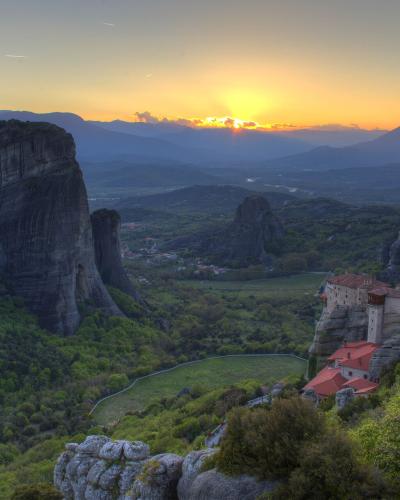
UNESCO site with monasteries on rock pillars
History
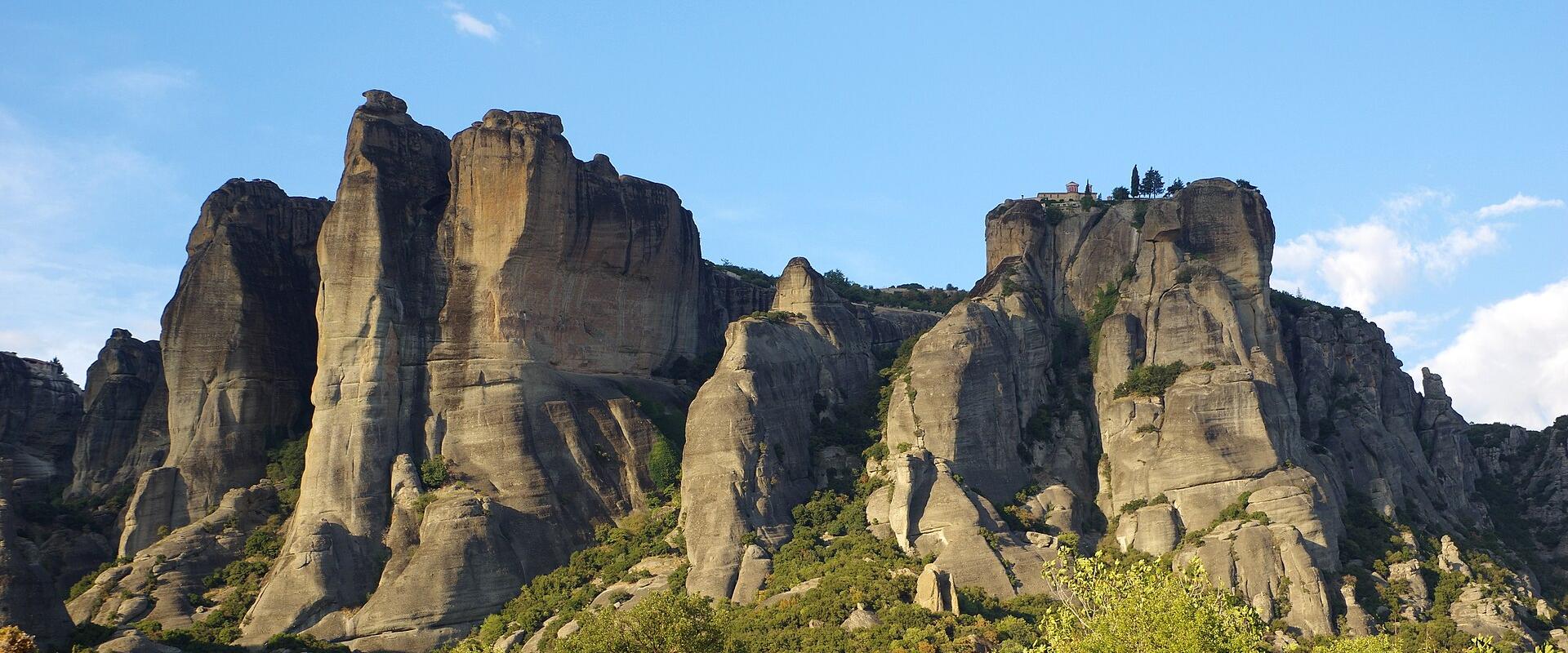
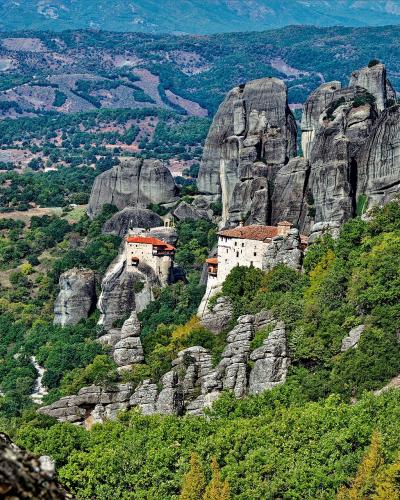
The history of Meteora is inextricably linked to the unique geological formations that define the landscape. For centuries, Orthodox monks sought refuge in this remote, rugged terrain to escape political instability and religious persecution, particularly during the Ottoman rule. They established monasteries on the high, inaccessible rock pillars, creating a sanctuary that was both physically and spiritually isolated. Today, the site is a UNESCO World Heritage Site, recognized for its unique combination of natural beauty and religious heritage. The monasteries, such as the Great Meteoron, stand as enduring testaments to the faith and resilience of the monks who built them, often climbing hundreds of steps to reach the plateau where they could live in seclusion and devotion.
Main Attractions
The primary attraction in Meteora is the group of six active monasteries that cling to the massive rock pillars. Among these, the Great Monastery (Megalo Meteoron) is the largest and most significant, serving as the spiritual heart of the region. It houses a valuable collection of icons, manuscripts, and artifacts, offering a deep insight into Byzantine art and religious history. Another notable site is the Holy Monastery of Varlaam, known for its stunning frescoes and the panoramic views it offers from its terrace. The natural landscape itself is a major attraction, with the towering rock formations creating a dramatic backdrop that changes color with the light of the day. The interplay between the natural rock formations and the man-made monasteries creates a unique visual and spiritual experience that is unique to this region.
Activities
Visitors to Meteora can engage in a variety of activities that cater to different interests and physical abilities. Hiking is a popular way to explore the area, with numerous trails leading through the rugged landscape and offering close-up views of the monasteries. These trails can be challenging, so it is advisable to wear appropriate footwear and take your time. For those who prefer a less strenuous experience, e-bike tours are available, allowing visitors to explore the area at their own pace while still enjoying the stunning views. Additionally, guided tours are available for those who wish to learn more about the history and culture of the region, providing a deeper understanding of the monasteries and their significance.
Getting There
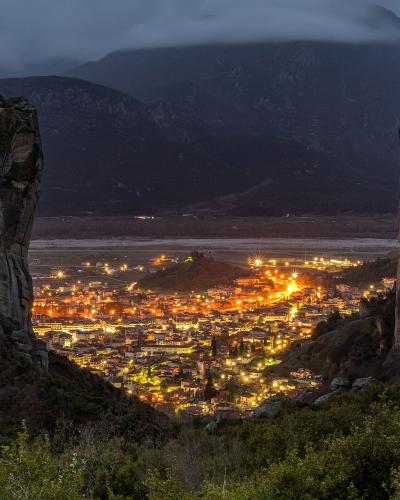
Reaching Meteora is relatively straightforward, with most visitors arriving from the nearby town of Kalambaka, which is well-connected by road. The town is accessible by bus or car from major cities in Greece, including Athens and Thessaloniki. From Athens, it is approximately a four-hour drive, or you can take a bus, which takes around five to six hours. Once in Kalambaka, the monasteries are within walking distance or a short drive away. The town itself offers a range of amenities, including hotels, restaurants, and shops, making it a convenient base for exploring the area.
Best Time to Visit
The best time to visit Meteora is during the spring (April to June) and autumn (September to October) months. During these periods, the weather is generally mild and pleasant, making it ideal for hiking and exploring the outdoor sites. The summer months can be hot and crowded, while the winter months can be cold and snowy, potentially limiting access to some areas. Visiting during the shoulder seasons offers the best balance of good weather, fewer crowds, and a more peaceful experience. It is also advisable to check the opening hours of the monasteries, as they may vary depending on the season.
Best Time to Visit
April to June and September to October offer mild weather ideal for hiking and exploring.
Plan Your Visit to Meteora
Essential travel tips and information for your trip to Meteora.
Suggested Itineraries
Travel Tips
Currency
EUR • Cards widely accepted
Language
Greek • English in tourist areas
WiFi
Free WiFi in cafes and hotels
Explore Meteora by Interest
Discover attractions and experiences in Meteora organized by your interests and travel preferences.
All attractions in Meteora
Sorted by our recommendation score
Quick Facts
Book your stay
Frequently Asked Questions
More destinations in Thessaly
Explore other amazing places in the Thessaly region