

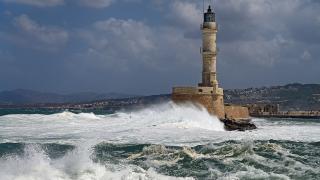
Greek boat accommodation operates in two distinct maritime zones. The Aegean Sea features strong meltemi winds in summer. These conditions require sturdy vessel construction. The Ionian Sea offers calmer waters. This allows for more relaxed navigation. Vessel types vary by region. Bareboat charters dominate the Aegean. Crewed gulets are common in the Ionian. Living spaces integrate directly with navigation decks. This design maximizes limited space. Safety is paramount in Greek waters. Personal flotation devices are mandatory. You must wear them at all times. Severe weather can disrupt travel plans. The meltemi wind can close ports. You must monitor weather forecasts daily. Packing requires specific sun protection. High SPF sunscreen is essential. The water reflects intense UV rays. Non-slip shoes prevent deck injuries. Avoid black soles to protect finishes. Quick-dry clothing handles wet conditions. Seasickness medication is recommended. Take tablets thirty minutes before departure. Basic first aid supplies are vital. Plasters and antiseptics are necessary. Greece is a top yacht destination. Safety standards are strictly enforced. You must follow local regulations. This ensures a safe experience. The unique climate defines the trip. Prepare for intense sun exposure. Proper gear ensures a comfortable stay. Greek maritime law requires specific equipment. Always check local safety requirements. This ensures compliance with local laws. The experience is unique to Greece.
Vessel Types and Chartering
Greek charter options split into bareboat and crewed categories. Bareboat rentals require valid licenses. Skippers must prove competency before departure. Crewed charters include a captain and crew. This service suits those avoiding navigation duties. Vessel types vary by experience level. Monohull sailboats offer stability in open Aegean waters. Catamarans provide spacious decks for island hopping. Gulet vessels offer traditional wooden comfort for groups. Each type impacts the travel experience differently. Monohulls handle meltemi winds with greater agility. Catamarans offer more interior space for guests. Gulets provide luxury but require larger budgets. Charter costs depend on vessel size and season. Summer months see higher demand and prices. Early booking secures better rates and availability. Greek maritime law strictly regulates charter operations. All vessels must meet specific safety standards. Crewed charters include meals and service in the price. Bareboat charters require self-catering and independent navigation. Choose based on skill level and comfort needs. Local Greek charter companies ensure local expertise. They know local winds and hidden coves well. This local knowledge enhances the safety of the trip. Greek islands offer diverse sailing conditions. Calm bays suit beginners. Open seas challenge experienced sailors. Vessel choice defines the Greek sailing holiday.
Mooring and Berthing Logistics
Greek marinas offer secure mooring with full amenities. Marina Berths provide electricity and water access. These facilities are essential for long stays. Natural anchorages offer free mooring in bays. Anchoring requires checking depth and seabed type. Regulations require safe distance from shore. Local authorities enforce quiet hours at night. Book marina berths well in advance. Popular islands fill quickly in summer. Sailing the Aegean requires respecting local customs. Avoid anchoring in protected marine areas. Respect local communities by keeping noise low. Clean up waste before departing anchorages. Greek law requires proper waste disposal. Always check local regulations before anchoring. This ensures compliance with local laws. It also protects the marine environment. Always carry a mooring line and anchor. Secure the vessel firmly to the seabed. Check the anchor hold regularly in wind. Greek islands have limited marina infrastructure. Plan your route around available berths. Book in advance to secure a spot. This avoids stress during peak season. Always respect local customs and regulations. This ensures a smooth and safe trip for all boaters in Greek waters.
Essential Packing and Safety Gear
The Greek sun reflects intensely off the water. High SPF sunscreen is essential for protection. Wear a wide-brim hat to shield your face. Use polarized sunglasses with straps to prevent loss. Choose light, quick-drying clothing for comfort. Pack a windbreaker for cooler evening breezes. Footwear must be non-slip and deck-friendly. Avoid black-soled shoes that mark white decks. Severe sun exposure requires protective measures. Take sea sickness medication 30 minutes before departure. This timing ensures effective prevention of nausea. Pack a basic first-aid kit for minor issues. Include plasters and antiseptic wipes in your bag. These items address minor injuries immediately. Safety gear is provided on charter vessels. Personal preparation remains the traveler's responsibility. Comfortable, snug-fitting life jackets are mandatory. Ensure all gear fits securely before departure. This preparation ensures safety during the trip. Greek maritime conditions require specific, practical gear. Proper preparation enhances the overall experience. Always verify equipment needs before boarding. This step ensures a safe, enjoyable voyage. The Greek climate demands specific protective measures. Adequate preparation is key to safety.
Regulations and Local Etiquette
Greek law requires valid registration for all charter vessels. Foreign skippers must hold recognized international licenses. Local authorities enforce strict noise limits in residential ports. Quiet hours typically begin at dusk. Littering is strictly prohibited in all marine zones. Waste must be disposed of in designated onshore bins. Local customs value quiet respect in marinas. Avoid loud music or shouting near other vessels. Greek culture emphasizes hospitality and community respect. Always greet local marina staff with a polite 'Kalimera'. This simple gesture fosters goodwill and local cooperation. Environmental responsibility is critical in the Aegean. Do not anchor on seagrass beds or coral. These ecosystems are fragile and protected by law. Use designated mooring buquets where available. This prevents damage to the seabed. Local regulations prioritize environmental protection over convenience. Always check local signage for specific restrictions. Some islands enforce strict waste disposal rules. Always dispose of trash in provided bins. Do not dump waste overboard. This is illegal and harmful to marine life. Respect local customs by dressing modestly in ports. Wear appropriate clothing when visiting local villages. This shows respect for local traditions and culture. Greek island communities value privacy and quiet. Be mindful of noise levels in residential areas. Always clean up after yourself. Leave no trace of your visit. This ensures the preservation of Greek marine environments for future generations. Always follow local guidelines and respect local customs.