

Mastering Greek Public Transport
Mar 03, 2026
Read more →
Peninsula hosting the capital and ancient sites
Attica is the historic peninsula that serves as the political and economic heart of modern Greece. It encompasses the bustling capital city alongside some of the most significant archaeological sites in the Mediterranean. The region offers a seamless blend of urban energy and classical antiquity.
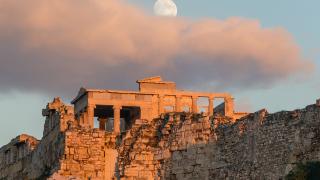
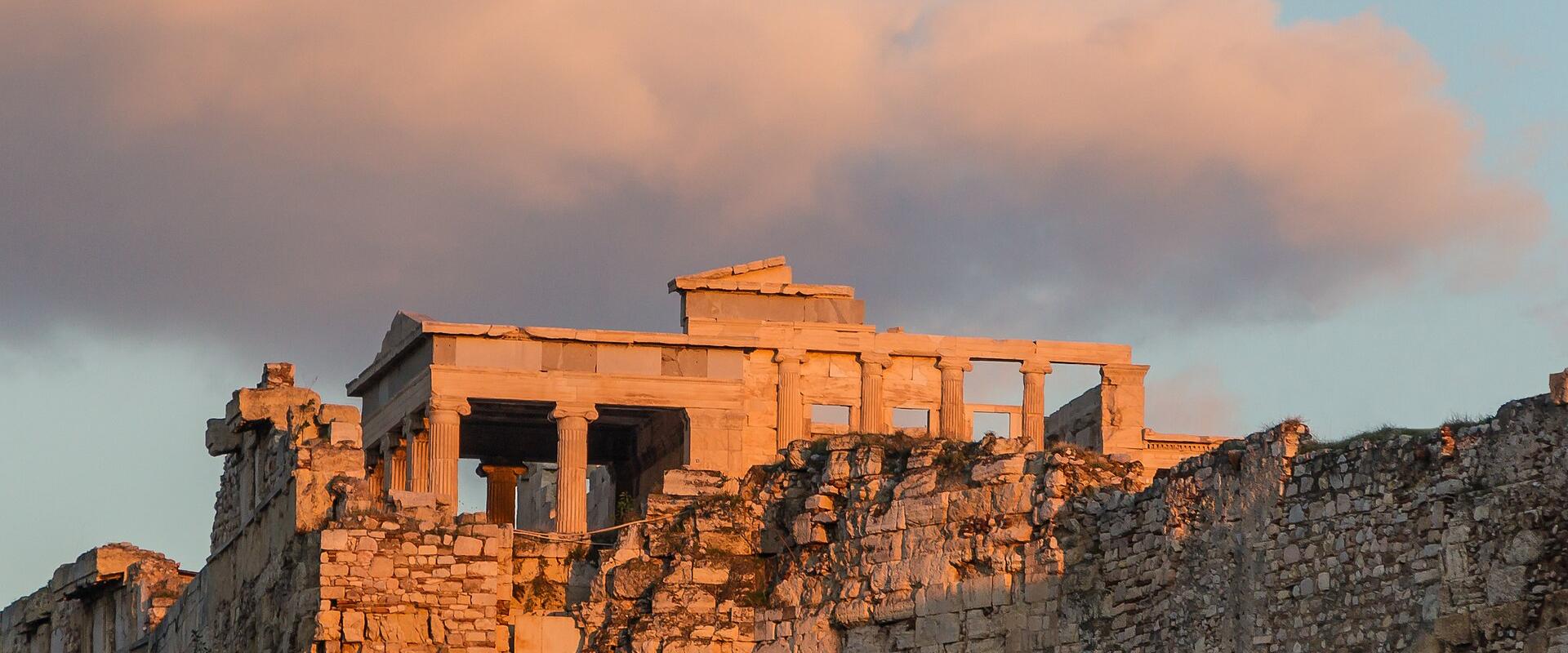
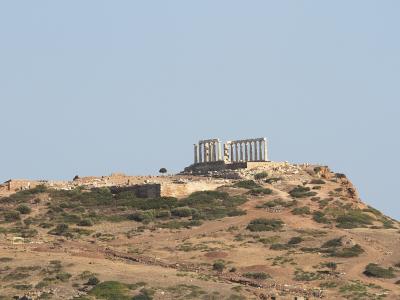
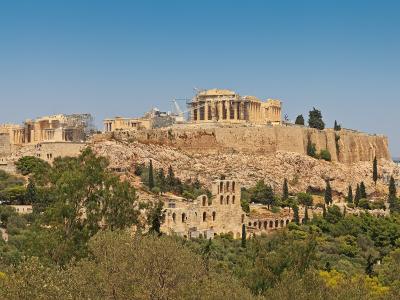
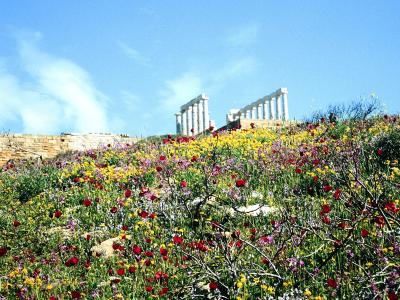
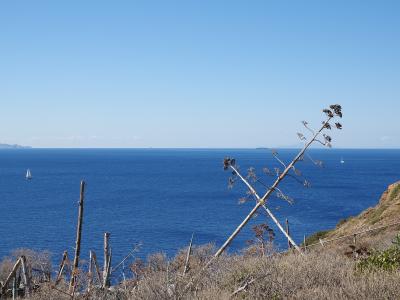
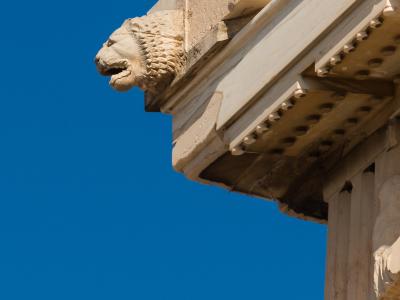
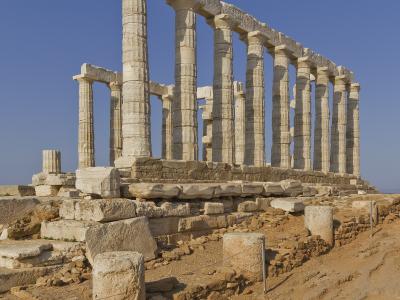
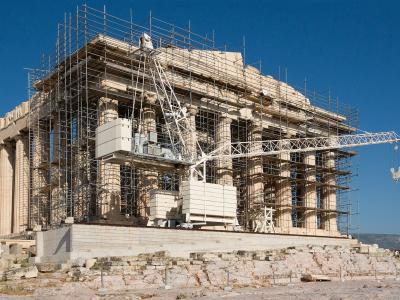
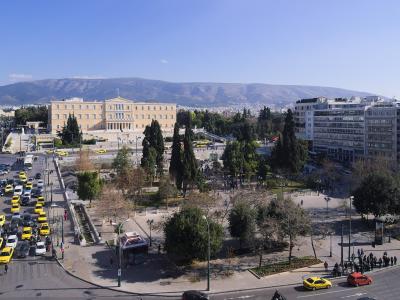
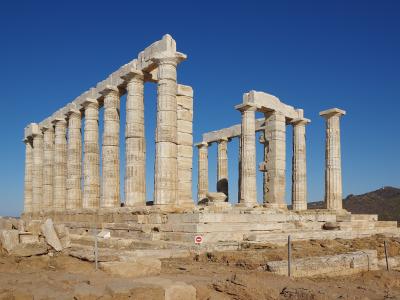
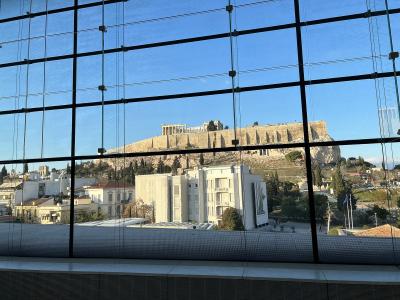
Attica is a peninsular region in southeastern Greece, surrounding the Saronic Gulf. Its boundaries are defined by the mountains of Parnitha to the north, Parnes to the northeast, and Hymettus to the east, creating a natural basin that hosts the capital, Athens. To the south, the coastline stretches along the Aegean Sea, dotted with islands and sandy beaches. Athens is the dominant urban center, serving as the primary gateway for international travelers. Other significant towns include Piraeus, the major port city; Glyfada and Vouliagmeni, known for their upscale beach resorts; and Marathon, located to the northeast. The region is densely populated, yet it retains distinct suburban and rural characteristics in its outer districts. The area is globally renowned for its archaeological heritage. The Acropolis of Athens, crowned by the Parthenon, is the most iconic attraction, offering panoramic views of the city. Nearby, the ancient theater of Epidaurus and the temple of Poseidon at Sounio provide further glimpses into classical history. Nature enthusiasts can explore the Mount Parnitha National Park for hiking or visit the Varkiza beach for relaxation. Cultally, Attica is a hub for museums, including the National Archaeological Museum and the Acropolis Museum. The region’s nightlife and dining scene are vibrant, particularly in central Athens and the coastal suburbs. The best time to visit is during spring (April to June) or autumn (September to October) when temperatures are mild and crowds are smaller. Summer brings intense heat and higher tourist density. Travelers typically arrive at Eleftherios Venizelos International Airport, located southeast of the city center. Public transportation is extensive, featuring the Athens Metro, buses, and the Proastiakos suburban rail. Ferries to the Saronic Islands depart from Piraeus port, while rental cars are available for exploring the more remote coastal areas and mountain villages.Attica is easily accessible by car, bus, or train from major cities in Greece. The region offers excellent transportation infrastructure for visitors.
The ideal time to visit Attica depends on your interests. Summer offers warm weather and festivals, while spring and autumn provide pleasant temperatures for sightseeing.
We recommend spending at least 3-5 days exploring Attica to experience its main attractions, local cuisine, and cultural highlights.
Start planning your adventure to one of Greece's most captivating regions