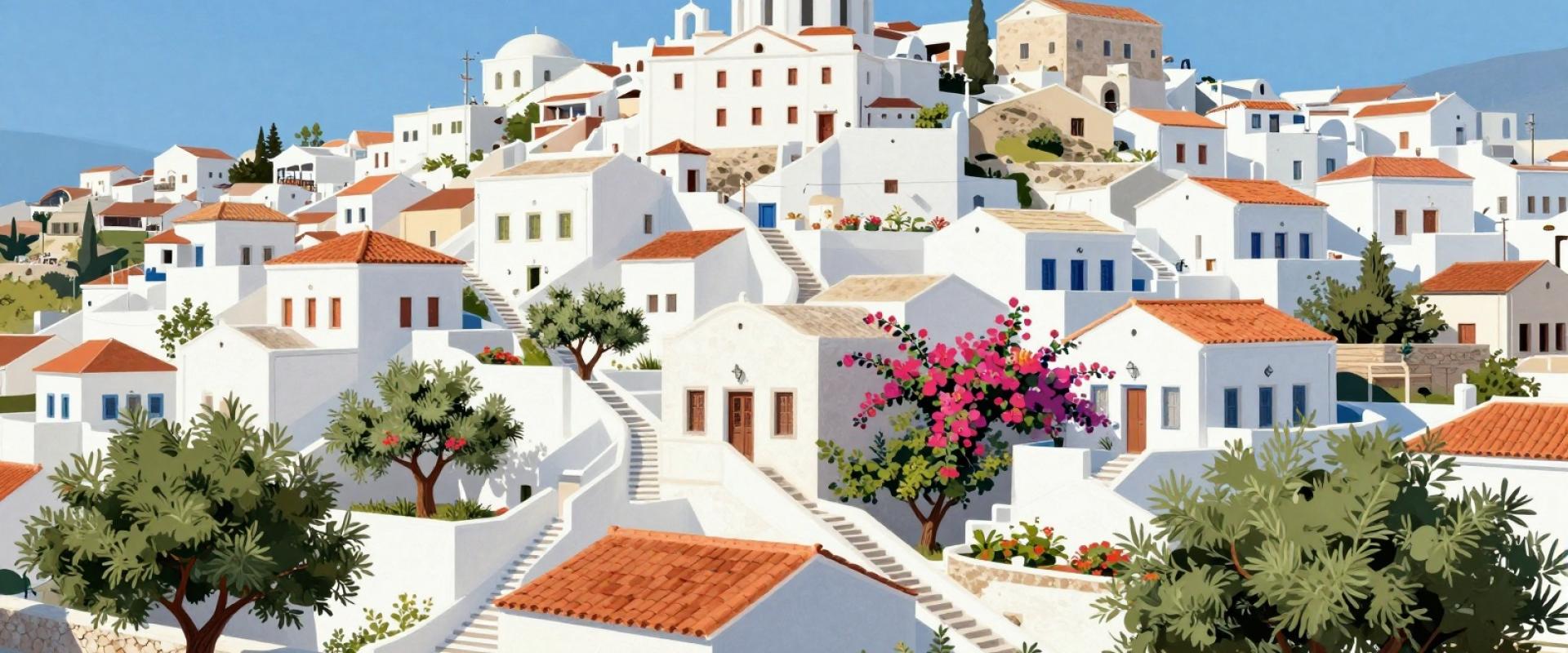
AI-generated illustration
•
AI-generated illustration
One Day in Trikala
Explore Trikala's Byzantine fortress, ancient sanctuaries, and loca...
1 day
•
Easy difficulty
•
Est. €60
Practical Information
The optimal time to visit Trikala is during the spring (April to June) or autumn (September to October). During these months, temperatures are mild, making it comfortable to explore the city’s historic sites on foot. Summer months can be hot and crowded, while winter may bring cooler temperatures and occasional rain, though the city remains accessible.
Reaching Trikala is straightforward via road or rail. The city is well-connected by the Greek national railway, with frequent trains connecting to Athens and Thessaloniki. For those driving, major highways link Trikala to major Greek cities, and the area is served by the nearby Trikala Airport, which offers limited seasonal flights. Once in the city, the historic center is compact and highly walkable. Key attractions like the Trikala Fortress, the Koursevouni area, and the central square are within easy walking distance. For those staying further out, local buses provide affordable connectivity, though renting a car offers greater flexibility for exploring the surrounding rural areas and nearby mountain villages.
Accommodation options are centered in the city center and the Varousi neighborhood, offering a mix of traditional guesthouses, boutique hotels, and modern apartments. Staying in the historic center is recommended for its proximity to major landmarks, local taverns, and the vibrant atmosphere of the central square. Budget considerations are generally favorable, with mid-range hotels and guesthouses offering good value. Meals at local taverns are affordable, with typical dishes like souvlaki or mousska costing between €10 and €15. Entrance fees for major sites, such as the Trikala Fortress, are modest, typically around €3, making the overall trip cost-effective.
When packing, bring comfortable walking shoes for navigating the cobblestone streets and hillside paths, particularly when visiting the fortress or hiking to the Koursevouni area. Lightweight, breathable clothing is recommended for the warm summer months, while a light jacket is advisable for cooler evenings, especially in the spring and autumn. Sunscreen, a hat, and a reusable water bottle are essential for staying comfortable during daytime explorations. Additionally, carrying a small amount of cash is practical, as some smaller local vendors or traditional taverns may not accept credit cards.
Book your stay
More Itineraries
2 days
Trikala Cultural Heritage
2-day cultural tour of Trikala's history and nature
View Itinerary →