History
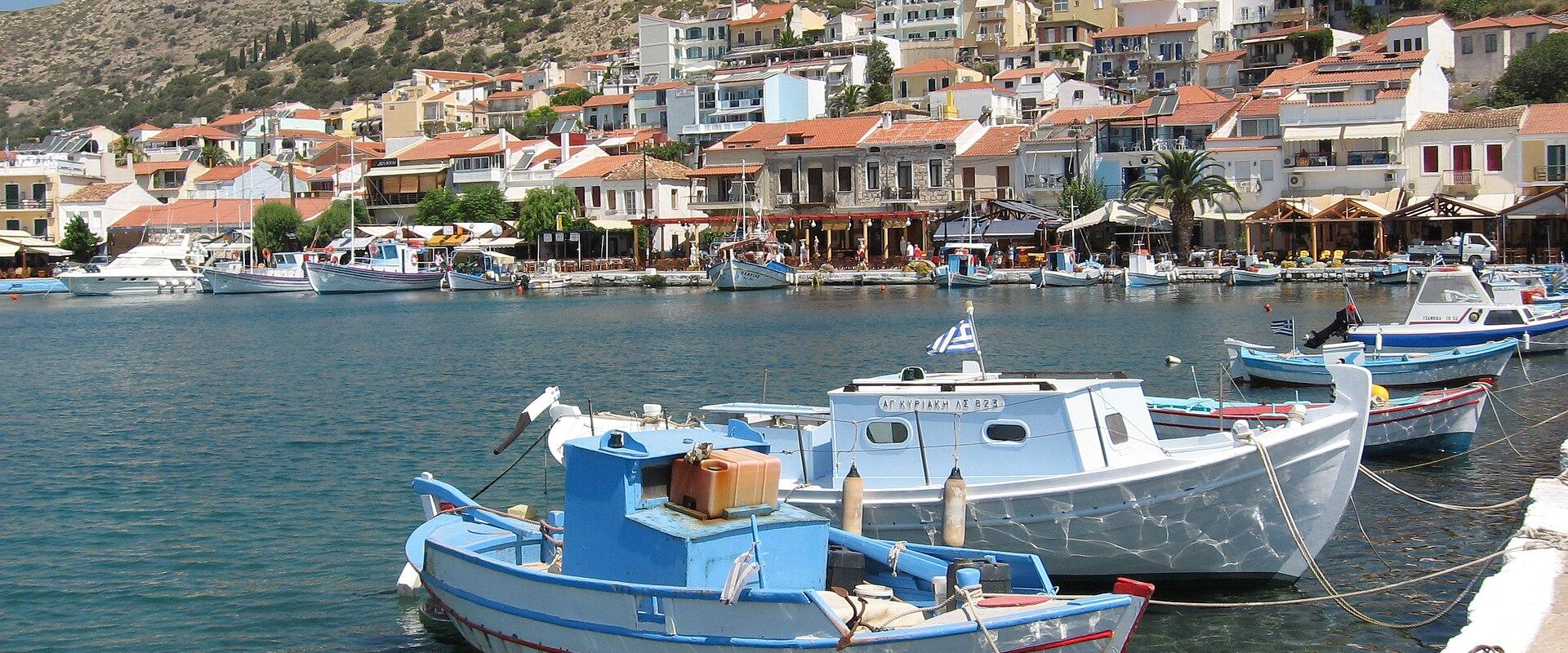
Samos, often referred to as the "Island of Wisdom," has a deep historical lineage that dates back to ancient times. Located in the eastern Aegean, just a few miles from the coast of Asia Minor, the island has long been a crossroads of culture and trade. The island is most famous as the birthplace of the philosopher Pythagoras, who was born in the 6th century BCE, and the engineer Eupalinos, who designed the Tunnel of Eupalinos, an engineering marvel of the ancient world. This historical depth is complemented by the island's strategic location, which has made it a point of interest for various civilizations, including the Greeks, Romans, and Byzantines. The island's heritage is a blend of these influences, creating a rich cultural tapestry that is still visible in its architecture and traditions today.
Main Attractions
The primary attraction in Samos is the ancient city of Pythagion, a UNESCO World Heritage Site. This ancient settlement includes the remains of the Temple of Hera, one of the largest temples in ancient Greece, and the Tunnel of Eupalinos, an impressive aqueduct built in the 6th century BCE. The tunnel, a masterpiece of ancient engineering, was used to transport water to the city and is a testament to the advanced engineering skills of the time. Another key site is the Heraion, a sanctuary dedicated to the goddess Hera, which is one of the most significant religious sites in ancient Greece. In addition to these historical sites, the island offers beautiful natural landscapes, including the lush Mount Kerkis and the stunning beaches of Plaka and Kokkari. The combination of historical depth and natural beauty makes Samos a unique destination for travelers.
Activities
Visitors to Samos can engage in a variety of activities that cater to different interests. For those interested in history, guided tours of the ancient sites, such as the Tunnel of Ewan and the Temple of Hera, offer a deep dive into the island's past. For those who prefer nature, hiking trails through the mountainous interior offer stunning views and a chance to explore the island's diverse flora and fauna. The island is also known for its water sports, with opportunities for swimming, snorkeling, and diving in the clear, turquoise waters of the Aegean. Additionally, visitors can enjoy wine tasting, as the island is known for its production of high-quality Muscat wine. The combination of historical exploration, natural beauty, and culinary experiences makes Sam a versatile destination for travelers.
Getting There
Samos is accessible by air and sea, with regular connections to mainland Greece and other islands. Samos International Airport, located near the town of Samos, offers regular flights from Athens and other major Greek cities. The flight time is approximately 45 minutes. For those traveling by sea, there are regular ferry connections from the port of Piraeus in Athens, as well as from other islands in the Aegean, such as Chios and Lesvos. The journey by ferry takes several hours, depending on the destination and the type of ferry. Once on the island, public buses and taxis are available for transportation, and renting a car is a convenient way to explore the island's diverse landscapes.
Best Time to Visit
The best time to visit Samos is during the spring (April to June) and autumn (September to October) months. During these periods, the weather is warm and pleasant, with temperatures ideal for outdoor activities such as hiking and beach visits. The summer months, particularly July and August, can be hot and crowded, with higher prices and larger crowds of tourists. Visiting during the shoulder seasons offers a more relaxed experience, with fewer crowds and lower prices. The autumn months, in particular, offer beautiful weather and the added benefit of harvest festivals, where visitors can sample local produce and traditional dishes. It is advisable to book accommodation in advance, especially during the peak summer months, to ensure availability.
Best time to visit
May to October offers warm, dry weather and clear skies, ideal for exploring.
What to see in Samos
Our picks first.
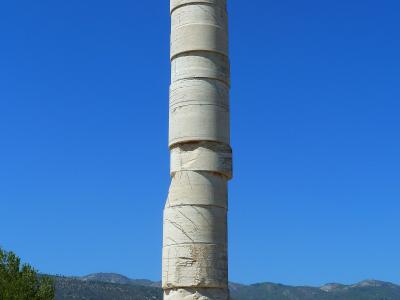
Heraion Of Samos
UNESCO site with ancient Ionic temple ruins
Religious Heritage · Ancient Ruins
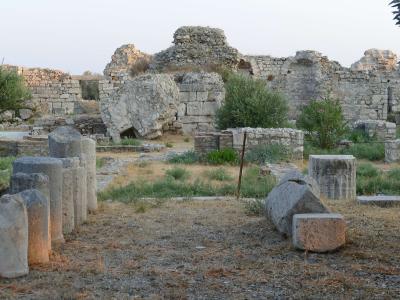
Pythagorio (Main Hub/Port)
Ancient port and archaeological site
From €10 Historic Districts · Town Centers
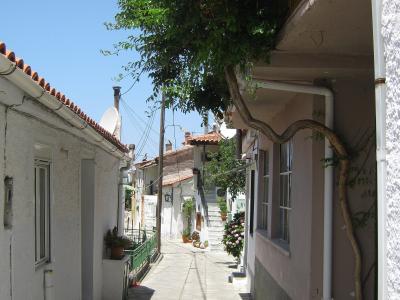
Manolates
Mountain village in Samos with traditional stone architec...
Free Natural Landscapes
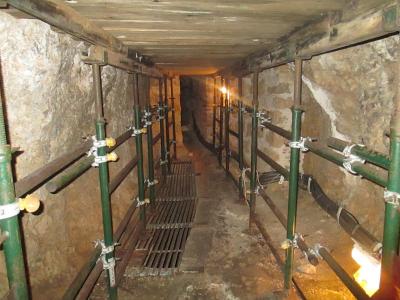
Tunnel of Eupalinos
Archaeological Sites
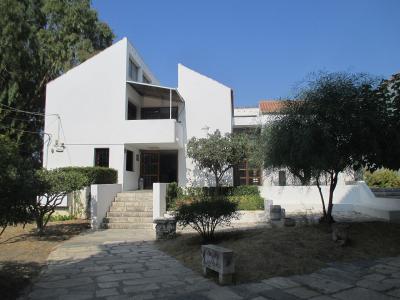
Archaeological Museum of Samos (Vathy)
Archaeological Museums
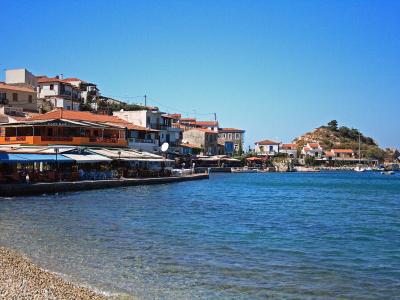
Kokkari
Free Village Centers
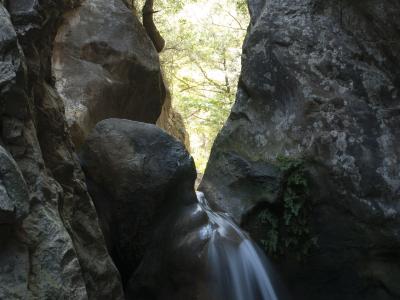
Potami Waterfalls
Natural Landscapes
Samos by interest
The same sights, grouped by what you came for.
Did you know?
Checked facts about Samos, each with its source.
-
History
Aristarchus and the Heliocentric Model
The island of Samos is the birthplace of the astronomer Aristarchus, who is historically significant as the first individual to propose that the Earth revolves around the Sun.
Source: en.wikipedia.org
Planning a visit to Samos
Good to know
- Currency
- EUR
- Language
- Greek