History
Heraklion, the capital of Crete, is a city where layers of history are visible in every stone. Originally known as Iraklion, the city’s roots trace back to the Minoan civilization, with the nearby Palace of Knossos serving as the center of Europe’s first advanced culture. Over the centuries, Heraklion has been shaped by Roman, Byzantine, Venetian, and Ottoman rule. The Venetian period, in particular, left a profound architectural legacy. In the 14th century, the Venetians fortified the city with massive walls that withstood sieges for 21 years, and they constructed the iconic Koules Fortress at the harbor entrance to defend against pirate attacks. The city also features Ottoman-era fountains and the Venetian Loggia, reflecting its complex past as a strategic maritime hub. Today, Heraklion stands as a vibrant metropolis that honors this rich heritage while embracing modern life.
Main Attractions
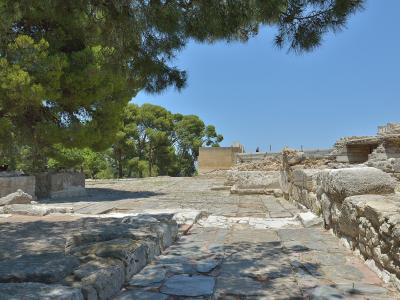
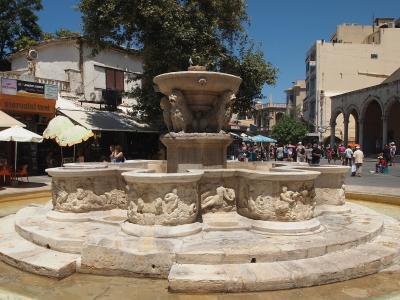
The primary attraction in Heraklion is the Archaeological Museum, one of the most important museums in Greece. It houses an exceptional collection of Minoan artifacts, including the famous Mask of Agamemnon and intricate frescoes, providing a deep insight into the island’s ancient past. The Palace of Knossos, located just outside the city, is the largest Minoan structure and a UNESCO World Heritage Site, offering a glimpse into the labyrinthine myths and realities of Minoan life. Within the city, the Koules Fortress dominates the Venetian Harbor, offering panoramic views and housing a maritime museum. The Old Town is a labyrinth of narrow streets, squares, and churches, including the Church of St. Titus, the patron saint of Crete. The Morosini Fountain in Lions Square and the Venetian Walls are also key landmarks that define the city’s historic character.
Activities
Visitors to Heraklion can engage in a variety of activities that highlight the city’s cultural and natural offerings. Walking tours through the Old Town reveal hidden courtyards, street art, and traditional kafeneia (cafes) where locals gather. The city’s vibrant food scene offers opportunities to sample authentic Cretan cuisine, including mezes and local wines. Boat trips from the harbor provide access to nearby beaches and islands, while hiking trails in the surrounding mountains offer scenic views and exploration of rural villages. The city also hosts numerous festivals and events throughout the year, celebrating music, art, and religious traditions. For those interested in history, guided tours of Knossos and Phaistos provide context and depth to the archaeological sites.
Getting There
Heraklion is easily accessible by air and sea. Heraklion International Airport, named after Nikos Kazantzakis, offers regular flights from Athens and other major European cities. The flight time from Athens is approximately 45 minutes. Ferries connect Heraklion to other Greek islands, including Santorini, Mykonos, and Rhodes, with journeys varying in duration depending on the destination and type of ferry. Once in the city, public buses, taxis, and rental cars are available for transportation. The city center is largely pedestrianized, making it easy to explore on foot.
Best Time to Visit
The best time to visit Heraklion is during the spring (April to June) and autumn (September to October) months. During these periods, the weather is warm and pleasant, with temperatures ideal for exploring the city and visiting archaeological sites. The summer months, particularly July and August, can be hot and crowded, with higher prices and larger crowds of tourists. Visiting during the shoulder seasons offers a more relaxed experience, with fewer crowds and a more authentic atmosphere. The autumn months, in particular, offer beautiful weather and the added benefit of harvest festivals, where visitors can sample local produce and traditional dishes. It is advisable to book accommodation in advance, especially during the peak summer months, to ensure availability.
Best time to visit
May to June and September to October offer warm, dry weather ideal for sightseeing and beach activities.
What to see in Heraklion
Our picks first.
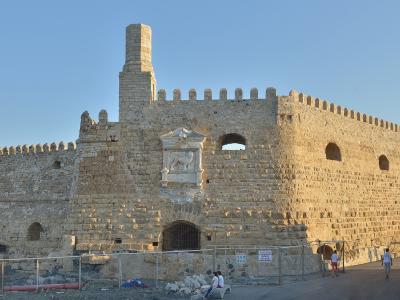
Koules Fortress
Venetian fortress guarding Heraklion's old port
From €5 Historic Sites & Ruins · Fortifications
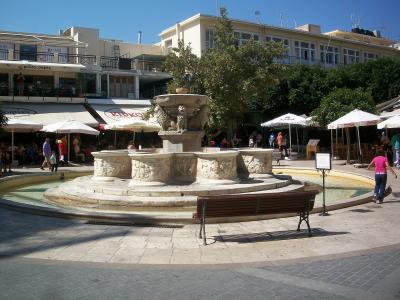
Venetian Lion's Fountain (Mor'shini Fountain)
1628 Venetian fountain with four lion spouts
Free Monuments · Town Centers
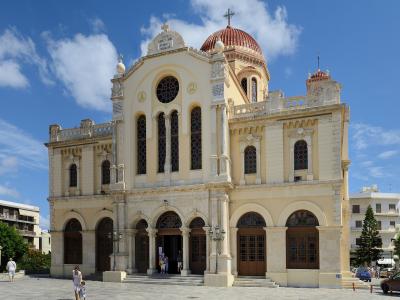
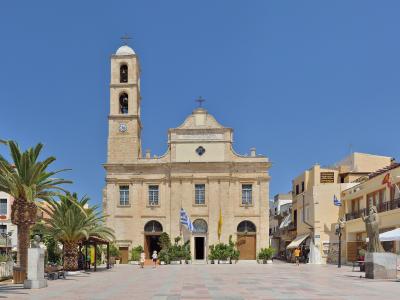
Agios Minas Cathedral
19th-century Greek Orthodox cathedral in Heraklion
Historic Sites & Ruins · Religious Heritage
Venetian Old Town (Old Town)
Venetian-walled historic district in Heraklion
From €2 Historic Districts · Medieval Towns
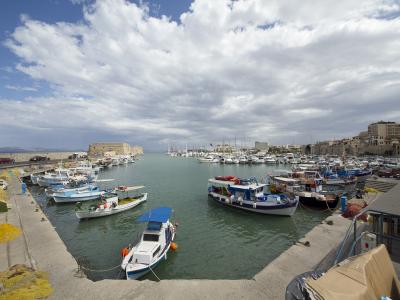
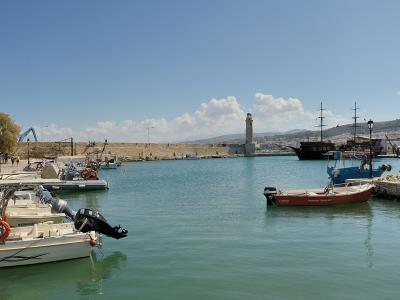
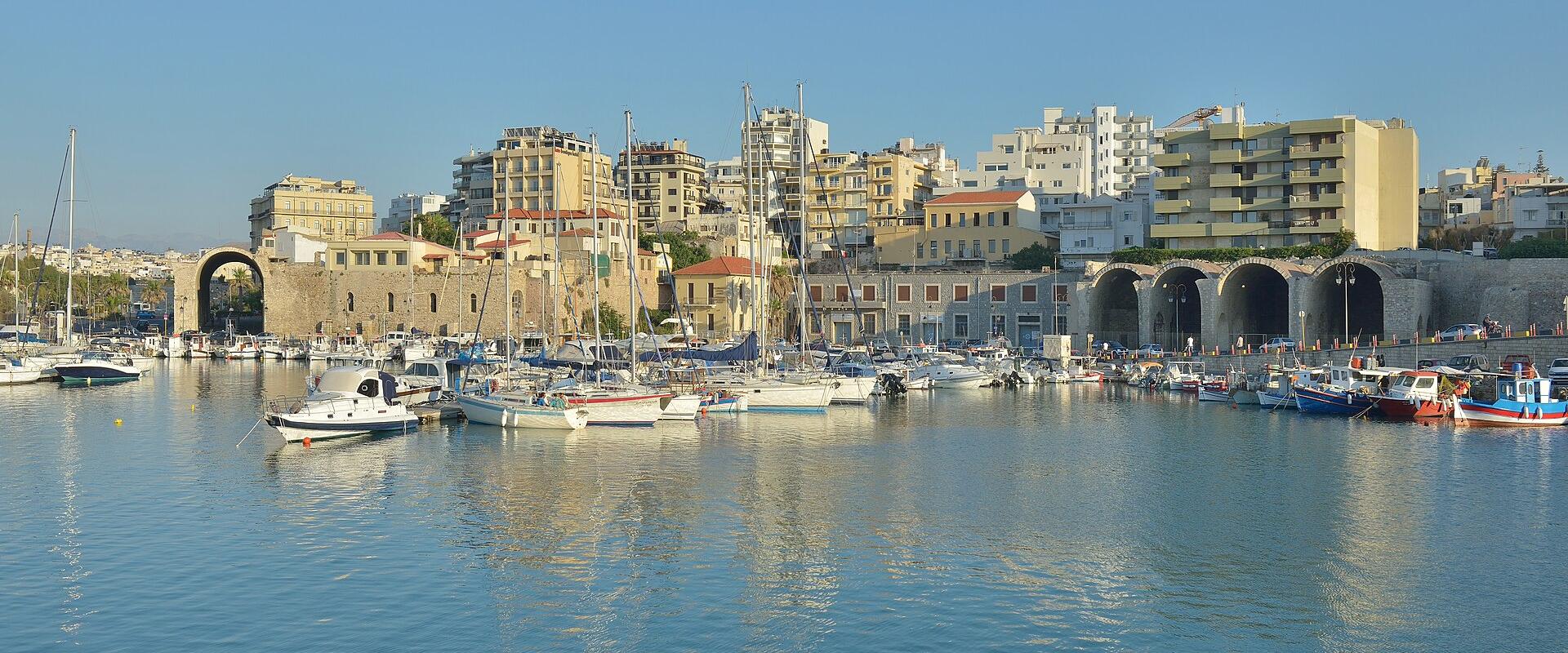
Old Harbour (Old Town)
Venetian harbor in central Heraklion
Historic Districts · Town Centers
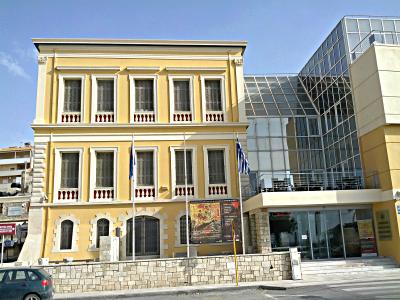
Lerapse Museum
Historical museum in Heraklion, Crete
From €5 Museums & Culture · Religious Heritage
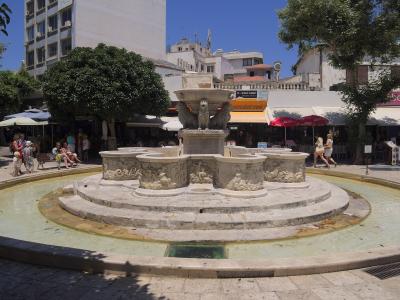
Morosini Fountain
Venetian fountain with lion statues and mythological carv...
Monuments
Heraklion by interest
The same sights, grouped by what you came for.
Did you know?
Checked facts about Heraklion, each with its source.
-
History
The 21-Year Siege of Heraklion
From 1648 to 1669 the city, then the Venetian-held Candia, withstood a 21-year siege by the Ottoman Empire, one of the longest sieges in history, held off largely by its massive Venetian ramparts.
Source: en.wikipedia.org -
Notable Person
El Greco's Cretan Roots
The world-renowned Mannerist painter El Greco (Doménikos Theotokópoulos) was born in Heraklion, Crete, in 1541, before moving to Venice and later Toledo, Spain, to become one of the most influential artists of the Spanish Renaissance.
Source: www.pseude.org
Planning a visit to Heraklion
Itineraries that include Heraklion
Good to know
- Currency
- EUR
- Language
- Greek