
Paros
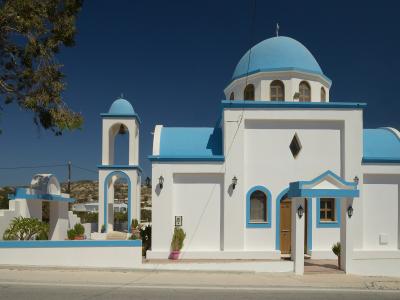
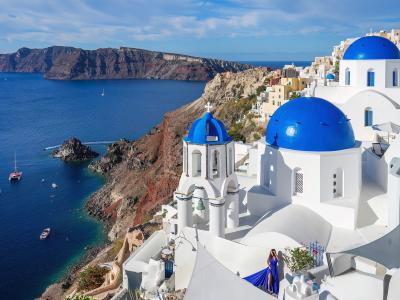
Cycladic island with white marble churches and beaches
History: Ancient Roots and Byzantine Heritage
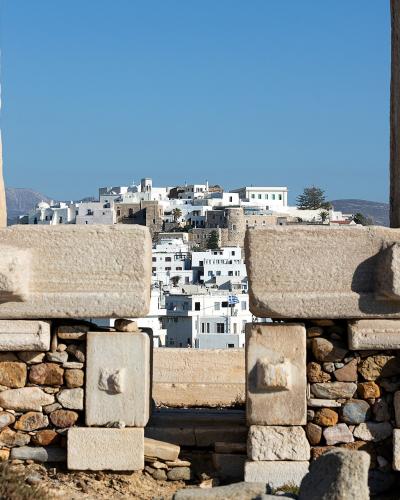
Paros, often referred to as the "Queen of the Cyclades," has a history as rich and varied as its landscape. The island’s name is derived from the white marble that has been quarried here since ancient times, a resource that has shaped its economy and identity for millennia. This marble, known for its purity and fine grain, was highly prized in ancient Greece and was used to construct many of the iconic buildings in Athens, including the Parthenon. The island’s strategic location in the Aegean Sea made it a significant stop for traders and travelers throughout antiquity.
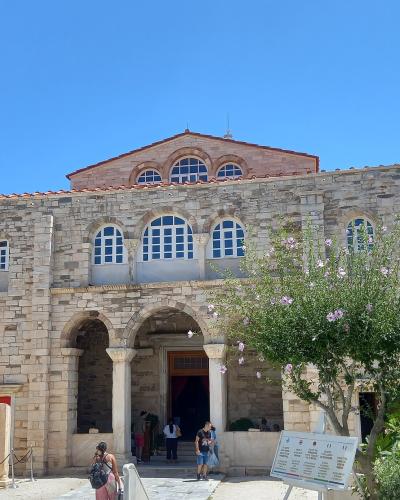
The historical narrative of Paros is deeply intertwined with the Byzantine era. The island is home to several historic churches and monasteries, the most notable being the Ekatontapiliani, or Church of the Holy Trinity. According to legend, this church was built by Saint Helena, the mother of Emperor Constantine, during her pilgrimage to the Holy Land. The church, with its intricate marble details and historic significance, stands as a testament to the island’s religious heritage and its role in the spread of Christianity in the region.
Main Attractions: Marble, Sea, and Tradition
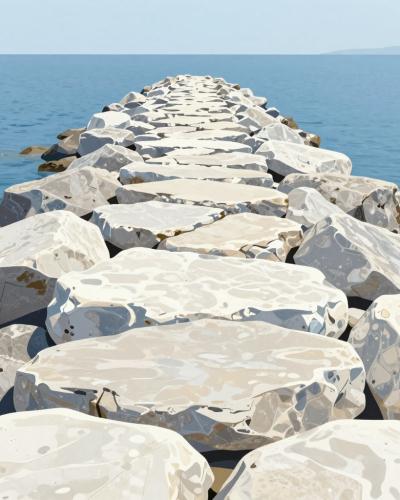
The primary attraction on Paros is its unique blend of natural beauty and cultural heritage. The island is renowned for its white marble, which has been quarried here for centuries. Visitors can explore the marble quarries, which offer a glimpse into the island’s industrial past and the skill of its ancient stonemasons. The marble, known for its fine grain and pure white color, has been used in many of the world’s most famous buildings, adding a layer of historical significance to the landscape.
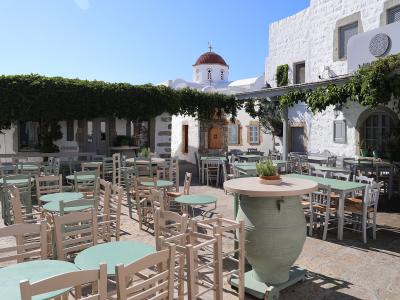
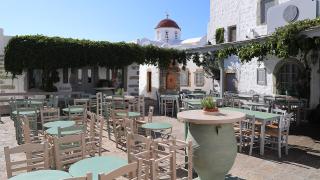
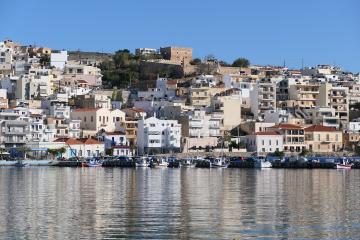
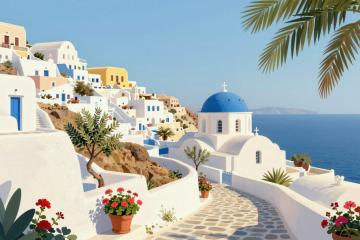
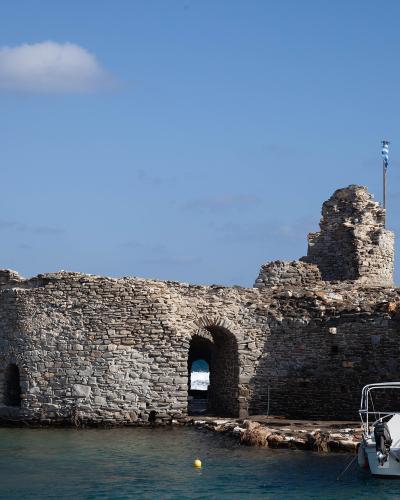
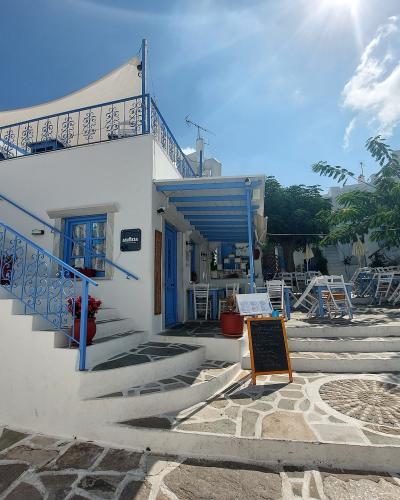
In addition to the marble quarries, the island is dotted with charming villages, each with its own unique character. Naoussa, the island’s main town, is a hub of activity, with narrow, cobblestone streets, colorful houses, and a vibrant port. The village is known for its lively atmosphere, with numerous tavernas, cafes, and boutique shops. The old port, with its traditional fishing boats, offers a picturesque setting for a leisurely stroll.
Activities: Beaches, Hiking, and Culture
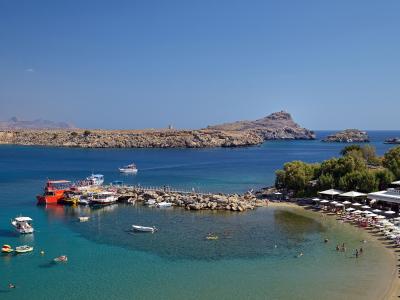
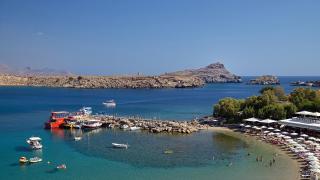
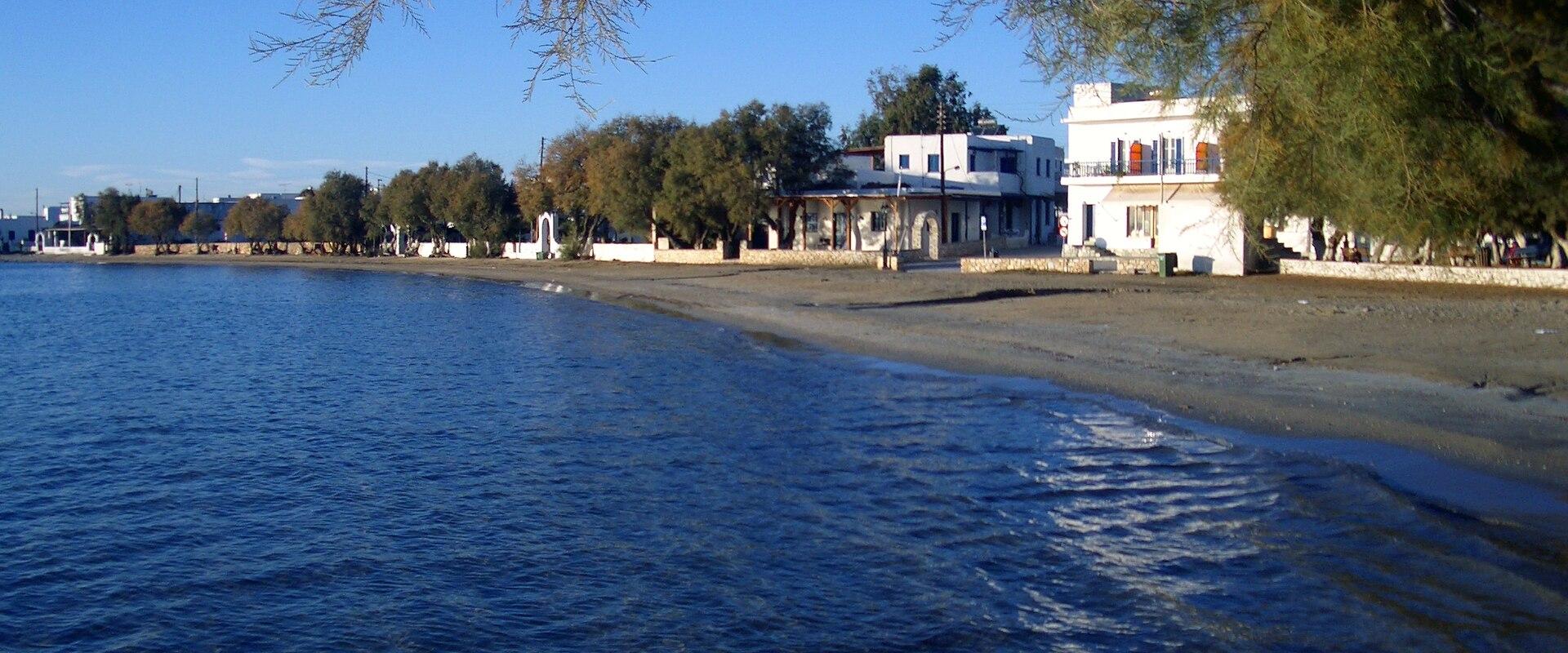
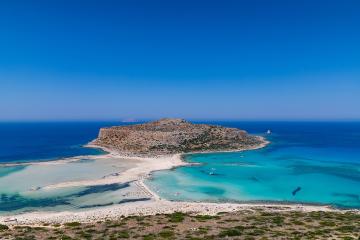
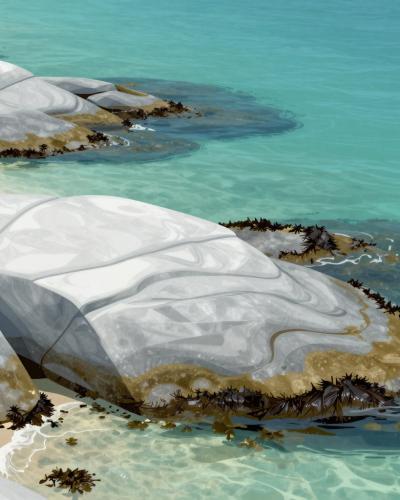
Paros is a haven for those who enjoy the outdoors. The island is dotted with beautiful beaches, ranging from sandy shores to secluded coves. Kolymbithres, with its unique rock formations, is a popular spot for swimming and sunbathing. The clear, turquoise waters are ideal for swimming, snorkeling, and other water sports. For those who prefer a more active holiday, the island offers excellent hiking trails, with paths that wind through the countryside, offering stunning views of the sea and the surrounding landscape.
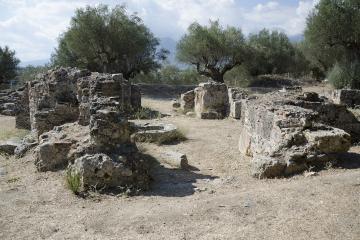
Cultural enthusiasts will appreciate the island’s many churches and monasteries, which offer a glimpse into the island’s religious heritage. The Ekatontapiliani, with its intricate marble details, is a must-visit, as are the many smaller churches scattered throughout the island. Each church has its own unique character and history, adding to the rich tapestry of the island’s cultural heritage.
Getting There: Access and Connectivity
Paros is easily accessible by sea, with regular ferry services connecting the island to Athens and other islands in the Cyclades. The journey from Athens takes approximately five to six hours, depending on the type of ferry. High-speed ferries offer a faster option, reducing the travel time to approximately four hours. For those who prefer to drive, the island is accessible via a ferry from Rafina, the port of Athens. The drive from Athens to the port of Rafina takes approximately 45 minutes, and the ferry crossing takes an additional 45 minutes.
Best Time to Visit: Seasonal Considerations
The best time to visit Paros is during the spring and autumn months, when the weather is mild and the crowds are smaller. The months of April, May, June, September, and October are ideal for visiting, with pleasant weather and fewer tourists. The summer months, particularly July and August, are hot and crowded, with higher prices and larger crowds. For those who prefer a quieter experience, the best time to visit is in the late spring or early autumn, when the weather is still warm but the crowds have thinned.
Best Time to Visit
May through September offers warm, dry weather ideal for swimming and exploring.
Plan Your Visit to Paros
Essential travel tips and information for your trip to Paros.
Suggested Itineraries
Paros Cultural Heritage
2 daysTwo-day tour of Paros' traditional villages and calm beaches
View ItineraryExtended Paros Experience
3 days3-day general exploration of Paros villages and beaches
View ItineraryTravel Tips
Currency
EUR • Cards widely accepted
Language
Greek • English in tourist areas
WiFi
Free WiFi in cafes and hotels
Explore Paros by Interest
Discover attractions and experiences in Paros organized by your interests and travel preferences.
All attractions in Paros
Sorted by our recommendation score

Quick Facts
Book your stay
Frequently Asked Questions
More destinations in Aegean
Explore other amazing places in the Aegean region