Chania
Venetian port city in western Crete
History
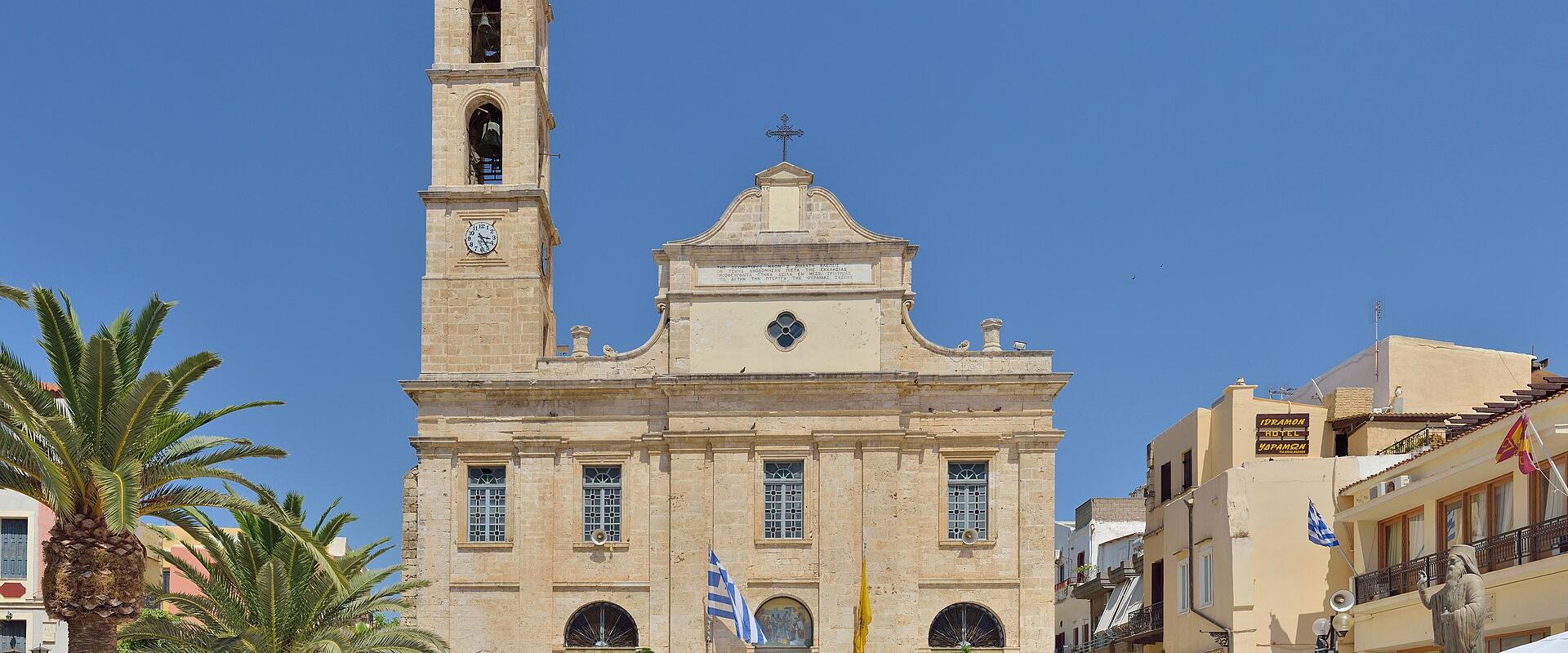
Chania, the second-largest city on the Greek island of Crete, possesses a layered history that reflects its strategic importance in the Mediterranean. Located in western Crete, the city has been inhabited since ancient times, with roots tracing back to the Minoan era. Over the centuries, it has been influenced by various powers, including the Romans, Byzantines, Venetians, and Ottomans, each leaving a distinct mark on its architecture and culture. The Venetian period, in particular, left an indelible stamp on the city, most notably through the construction of the historic harbor and the fortifications that still stand today. This multicultural heritage is evident in the city’s distinct neighborhoods, such as the Jewish Quarter and the former Turkish Quarter, which now serve as a bohemian hub. The city’s history is not just confined to its buildings but is also woven into the daily life of its residents, who maintain traditions that have been passed down through generations.
Main Attractions
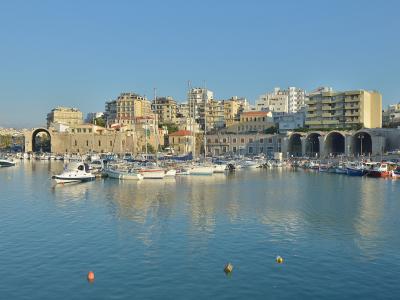
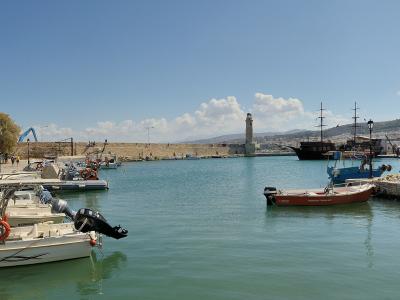
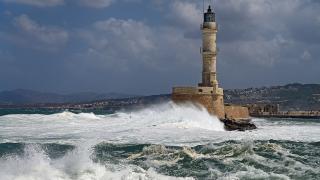
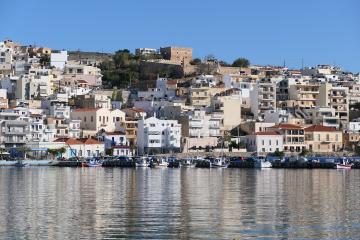
The primary attraction in Chania is its Old Town, a vibrant and picturesque area characterized by narrow, winding alleys and pastel-colored buildings. At the heart of the Old Town lies the Venetian Harbor, a bustling waterfront lined with cafes, restaurants, and shops. The harbor is dominated by the iconic lighthouse, which offers panoramic views of the sea and serves as a popular spot for photography, especially during sunset. Nearby, the Jewish Quarter preserves its historical identity with narrow streets and the historic Synagogue Etz Hayyim, while the former Turkish Quarter, known as Splachia, has transformed into a lively area filled with art galleries, boutiques, and local businesses. Beyond the Old Town, visitors can explore archaeological sites such as Ancient Kydonia, which provides insight into the city’s ancient origins, and the Chania Archaeological Museum, which houses artifacts from various periods of Cretan history.
Activities
Chania offers a diverse range of activities for visitors. Beach lovers can enjoy the city’s golden sandy beaches, such as Balos Beach and Elafonisi, which are known for their crystal-clear waters and stunning natural beauty. For those interested in culture and history, guided tours of the Old Town and its historical sites provide a deeper understanding of the city’s past. The area is also ideal for hiking, with trails leading through the surrounding mountains and along the coastline, offering breathtaking views of the Cretan Sea. Food enthusiasts can indulge in local cuisine at traditional tavernas, sampling fresh seafood and Cretan specialties. Additionally, the city hosts various festivals and events throughout the year, celebrating local music, art, and traditions, providing visitors with an authentic cultural experience.
Getting There
Reaching Chania is convenient, with multiple transportation options available. The city has an international airport, Chania International Airport, which offers flights from various European cities. Upon arrival, visitors can take a taxi, which takes approximately 30 minutes to reach the Old Town, or use public buses, which are more economical but have limited service after 11:30 PM. For those who prefer to drive, renting a car is a popular option, allowing for greater flexibility in exploring the island. Ferries also connect Chania to other parts of Greece, providing an alternative route for those traveling from mainland cities. Once in Chania, the Old Town is largely car-free, making it easy to explore on foot.
Best Time to Visit
The best time to visit Chania is during the spring (April to June) and autumn (September to October) months. During these periods, the weather is mild and pleasant, with temperatures ranging from 20°C to 25°C, making it ideal for outdoor activities and sightseeing. The summer months, particularly July and August, can be hot and crowded, with higher prices and larger tourist numbers. However, the vibrant atmosphere and long daylight hours make it a popular time for beach activities and nightlife. Winter months are cooler and quieter, offering a more peaceful experience for those who prefer to avoid the crowds. Visiting during the shoulder seasons provides the best balance of good weather, manageable crowds, and lower costs.
Best Time to Visit
May to October offers warm, dry weather ideal for beach activities and exploring, with July being the hottest month.
Plan Your Visit to Chania
Essential travel tips and information for your trip to Chania.
Suggested Itineraries
Discovering Chania
1 dayOne-day tour of Chania's historic Venetian harbor and old town
View ItineraryTravel Tips
Currency
EUR • Cards widely accepted
Language
Greek • English in tourist areas
WiFi
Free WiFi in cafes and hotels
Explore Chania by Interest
Discover attractions and experiences in Chania organized by your interests and travel preferences.
All attractions in Chania
Sorted by our recommendation score
Quick Facts
Book your stay
Frequently Asked Questions
More destinations in Crete
Explore other amazing places in the Crete region