History
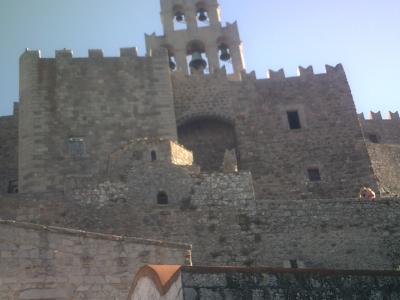
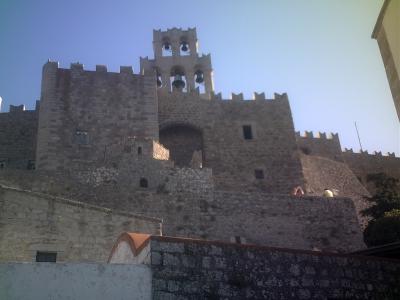
The history of Patmos is inextricably linked to the foundations of Christianity. According to tradition, the island is the site where John the Apostle received the vision that became the Book of Revelation, earning it the title "The Island of Revelation." This spiritual significance has defined the island for two millennia. The most prominent symbol of this heritage is the Monastery of Saint John the Theologian, a fortress-like structure built in the 11th century. The monastery serves not only as a place of worship but also as a cultural hub, housing a historic library with thousands of manuscripts and icons. The presence of this monastery has shaped the island's identity, attracting pilgrims and scholars for centuries and establishing Patmos as a center of Orthodox Christian culture.
Main Attractions
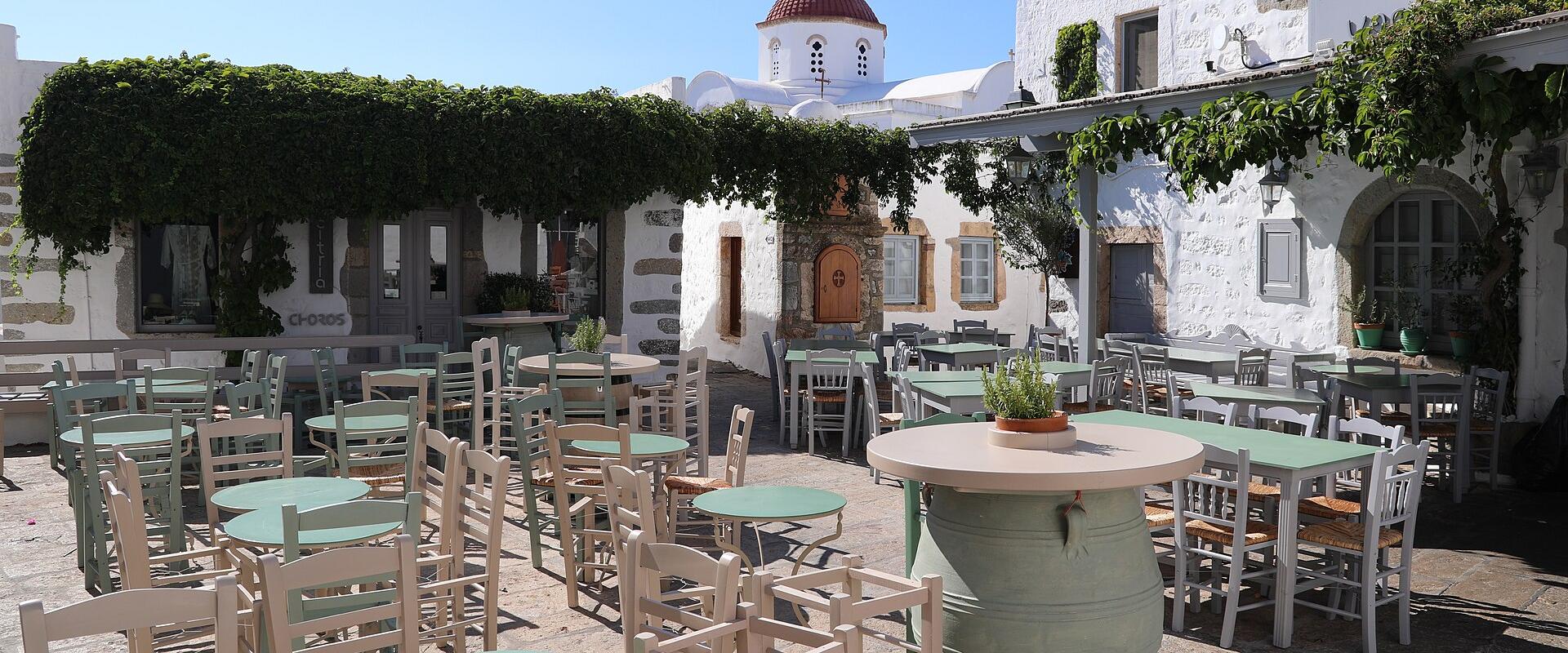
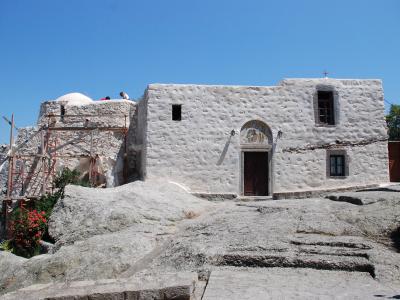
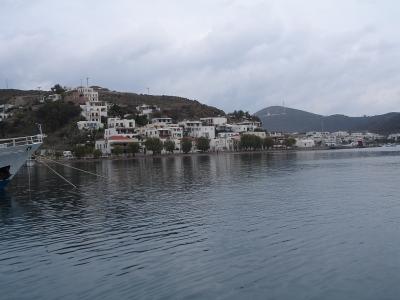
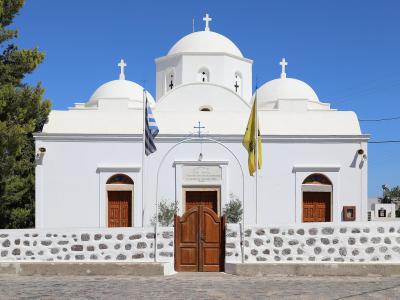
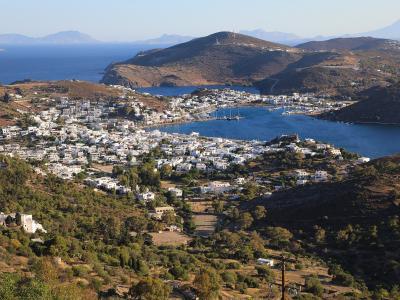
The primary attraction on Patmos is the Monastery of Saint John the Theologian, which dominates the skyline above the capital, Chora. The monastery’s architecture, a blend of Byzantine and post-Byzantine styles, is striking, with its white walls and red-tiled roofs contrasting against the blue Aegean sky. Inside, the library houses precious manuscripts, icons, and religious artifacts, offering a deep dive into the island's spiritual heritage. Another key site is the Cave of the Apocalypse, located near the monastery, where tradition holds that John received his visions. The cave is simple and austere, providing a solemn counterpoint to the grandeur of the monastery. Additionally, the historic town of Chora, with its narrow, winding streets and whitewashed houses, offers a charming exploration of traditional Greek island architecture.
Activities
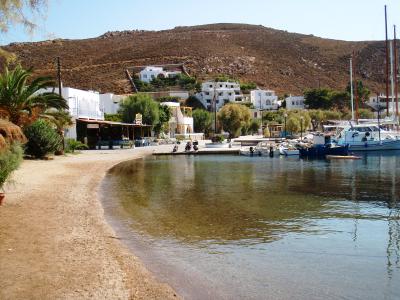
Visitors to Patmos can engage in a variety of activities that reflect the island's tranquil nature. Walking tours through the historic center of Chora allow visitors to explore the unique architecture and visit the monastery. For those interested in the natural landscape, the island offers several beaches, such as Agios Stefanos and Kolonada, which are accessible by boat or foot. These beaches offer opportunities for swimming and sunbathing in clear, turquoise waters. The island is also ideal for hiking, with trails leading through the rugged interior, offering panoramic views of the Aegean. The pace of life is slow, encouraging visitors to relax, reflect, and enjoy the serene environment.
Getting There
Reaching Patmos is straightforward, with regular ferry connections from the mainland port of Piraeus. The journey takes approximately 7-8 hours, depending on the type of ferry. Ferries operate regularly during the high season, connecting Patmos to other islands in the Dodecanese, such as Kos and Rhodes. It is advisable to book ferry tickets in advance, especially during the peak summer months, to ensure availability. Upon arrival at the port of Kamari, visitors can take a short taxi ride or walk to the main town of Chora. The island is small, and most attractions are within walking distance or a short drive from the port.
Best Time to Visit
The best time to visit Patmos is during the late spring and early autumn, specifically from May to June and September to October. During these months, the weather is warm and sunny, with temperatures ideal for exploring the island on foot. The summer months of July and August can be hot and crowded, with higher prices and larger crowds of tourists. Visiting during the shoulder seasons offers a more peaceful experience, with fewer crowds and a more relaxed atmosphere. The weather remains pleasant, making it an ideal time for sightseeing and enjoying the island's natural beauty.
Best time to visit
May to October offers warm, dry weather, with June and September providing the best balance.
What to see in Patmos
Our picks first.
Patmos by interest
The same sights, grouped by what you came for.
Did you know?
Checked facts about Patmos, each with its source.
-
History
Exile of the Apostle John
In 95 AD, the apostle John was exiled to the island by the Roman Emperor Domitian, where he is traditionally believed to have written the Book of Revelation.
Source: www.google.com
Planning a visit to Patmos
Itineraries that include Patmos
Good to know
- Currency
- EUR
- Language
- Greek