History
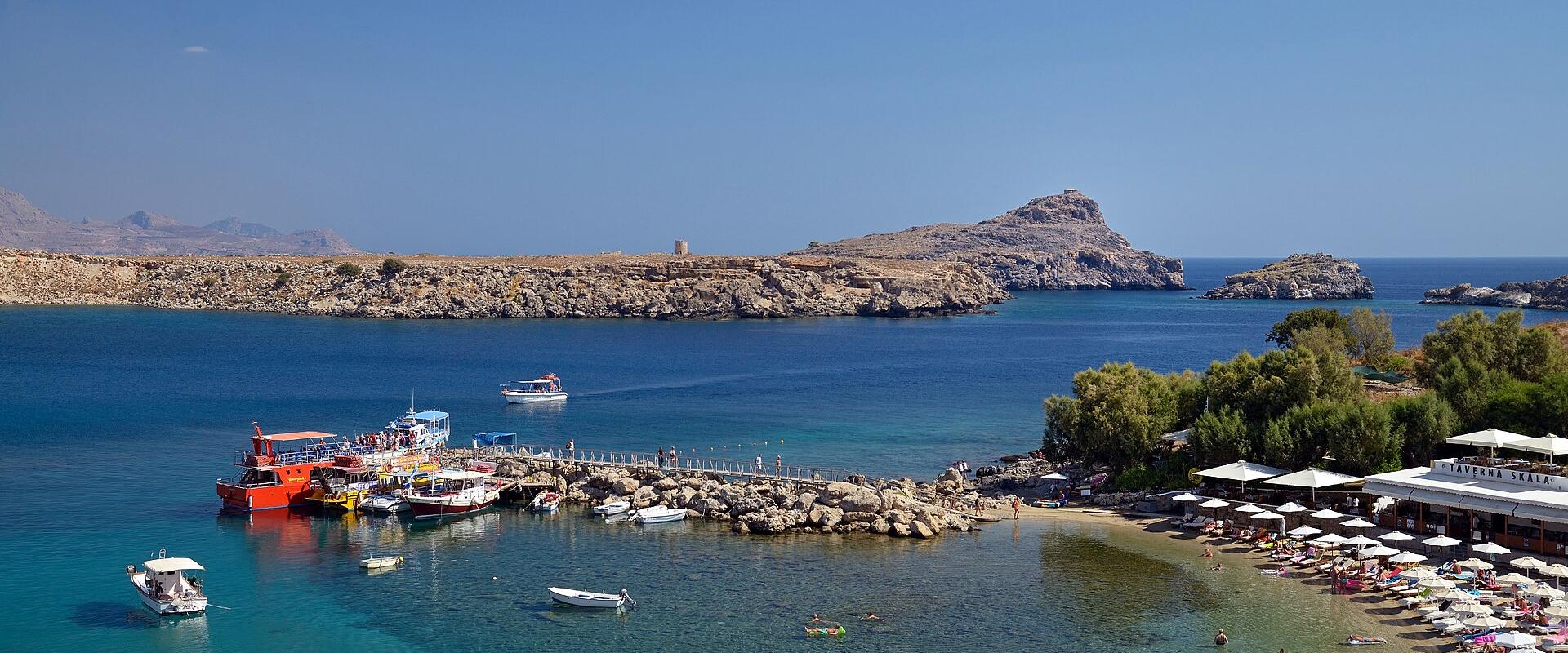
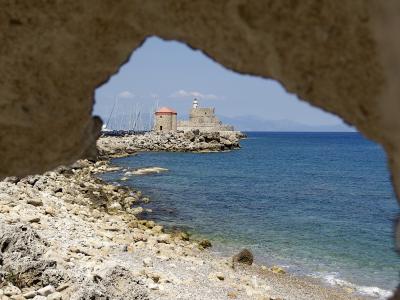
Rhodes, known affectionately as the "Island of the Knights," holds a profound historical legacy that dates back to antiquity. As the largest of the Dodecanese islands, it has long served as a strategic crossroads in the Aegean Sea. The island’s most defining historical feature is its medieval heritage, particularly the well-preserved medieval walled city. This historic core, a UNESCO World Heritage Site, was constructed by the Knights of St. John between 1309 and 1522. The architecture reflects a unique blend of Gothic, Renaissance, and Ottoman influences, offering a tangible connection to the island’s role as a major power in the Mediterranean. Beyond the walled city, the island’s history is etched into sites like the Acropolis of Lindos, which has been inhabited since the Mycenaean period, and the Monastery of Filerimos, which stands as a testament to the island’s religious significance through various eras.
Main Attractions
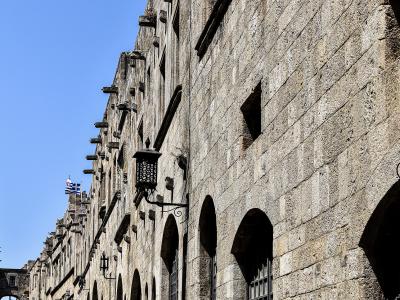
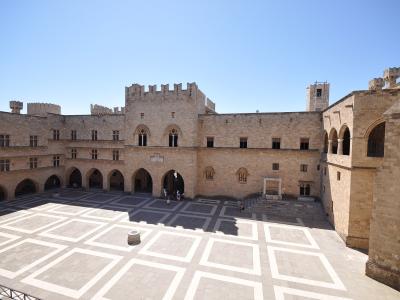
The heart of Rhodes is its medieval Old Town, where visitors can wander through the famous Street of the Knights. This 600-meter cobblestone boulevard is lined with the former inns of the Knights, featuring original 14th-century reliefs and impressive arched gateways. Dominating the square is the Palace of the Grand Master, a majestic 14th-century fortress that served as the administrative center and residence for the Grand Masters. For those seeking ancient wonders, the Acropolis of Lindos offers breathtaking views and ruins that overlook the village of Lindos. Nature enthusiasts should not miss the Valley of Butterflies, a unique ecological reserve where thousands of butterflies gather in the summer, creating a surreal natural spectacle. Additionally, the island is dotted with historic landmarks, including the ancient Acropolis of Rhodes and the Monastery of St. Stephen, which provide panoramic views and deep historical context.
Activities
Rhodes offers a diverse range of activities suitable for all types of travelers. Beach lovers can explore the island’s many shores, from the cosmopolitan beaches of Faliraki to the secluded coves of Prasonisi, where the Aegean and Mediterranean seas meet. The island is particularly known for its golden sand beaches, such as Tsambika, which is backed by a dramatic cliff and a historic monastery. For those interested in history and culture, guided tours of the medieval city and ancient acropolises provide an immersive experience. Visitors can also engage in water sports, including diving and snorkeling, to explore the clear turquoise waters and underwater ruins. The island’s vibrant local culture is further experienced through local markets, where traditional crafts and local products are available, offering a taste of local life.
Getting There
Reaching Rhodes is convenient, with regular connections to the island from Athens. The most common method is by air, with direct flights from Athens International Airport to Rhodes International Airport, taking approximately 45 minutes. Alternatively, travelers can take a ferry from the port of Piraeus in Athens, a journey that takes several hours but offers a scenic route through the Aegean. Ferries also connect Rhodes to other nearby islands, such as Kos and Symi, making it easy to explore the wider Dodecanese region. Road transport is well-developed, with rental cars and scooters available for those wishing to explore the island’s interior and coastal villages at their own pace.
Best Time to Visit
The best time to visit Rhodes is during the spring (April to June) and early autumn (September to October). During these months, the weather is pleasantly warm, with temperatures ideal for exploring the outdoors and enjoying the beaches. The summer months, particularly July and August, are peak tourist seasons, bringing larger crowds and higher prices, but also the most vibrant atmosphere and full access to all amenities. For those seeking a quieter experience, the shoulder seasons of spring and autumn offer the best balance of good weather, fewer crowds, and lower costs.
Best time to visit
May to June and September to October offer warm, pleasant weather with fewer crowds for ideal sightseeing and beach relaxation.
What to see in Rhodes
Our picks first.
Old Town of Rhodes (Medieval Town)
Fortifications · Historic Districts
Street of the Knights
Free Historic Districts
Palace of the Grand Master (Museum)
From €20 Castles · Museums
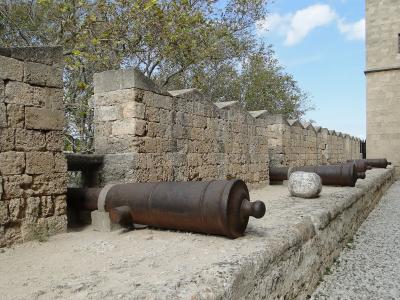
Palace of the Grand Master of the Knights of Rhodes
From €20 Castles · Historic Districts
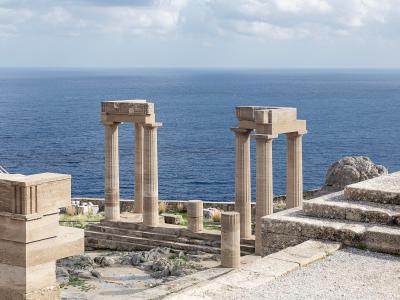
Lindos Acropolis
From €26 Historic Sites & Ruins · Acropolis Sites
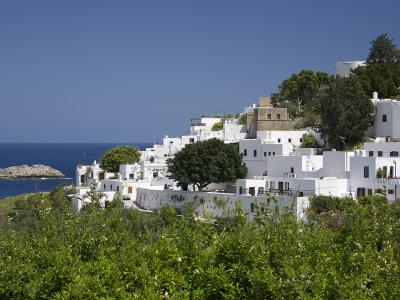
Lindos Village
Acropolis Sites · Historic Districts
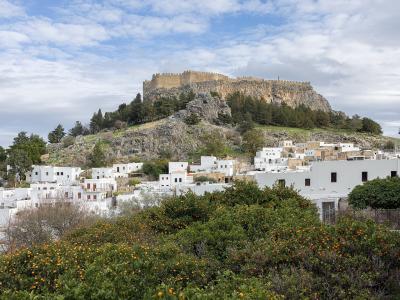
Acropolis of Lindos
Acropolis Sites · Ancient Ruins
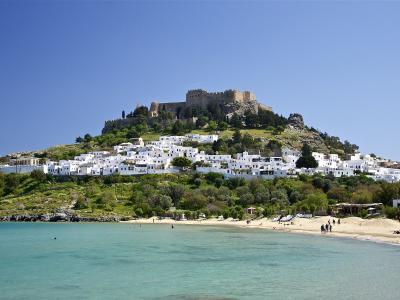
Lindos Beach
From €15 Historic Sites & Ruins · Beaches
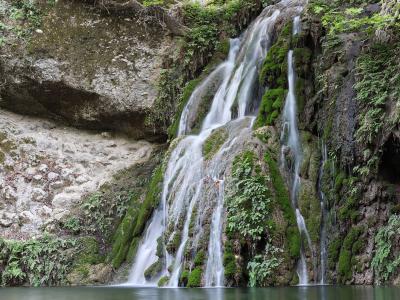
Valle dei Molini (Valley of the Butterflies)
Nature Reserves · Valleys
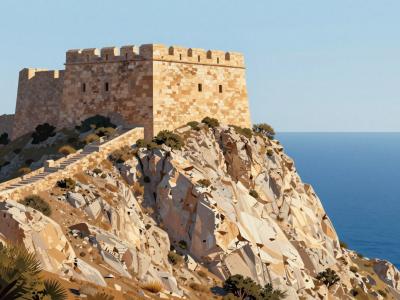
Lindos Acropolis at Sunset
From €3 Acropolis Sites
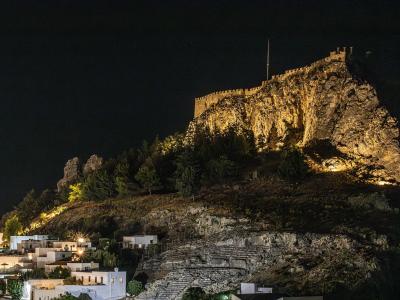
Lindos Acropolis at Night
Historic Sites & Ruins
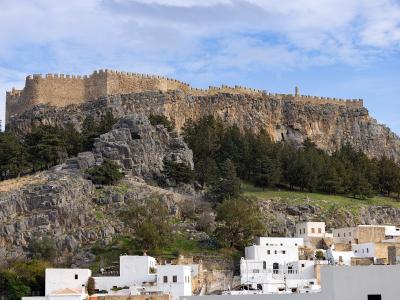
Lindos Acropolis and Acropolis Museum
Acropolis Sites · Archaeological Sites
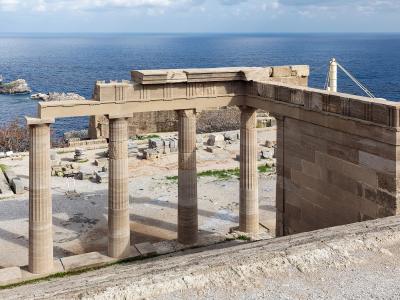
Lindos Acropolis at Sunrise
From €20 Historic Sites & Ruins · Acropolis Sites
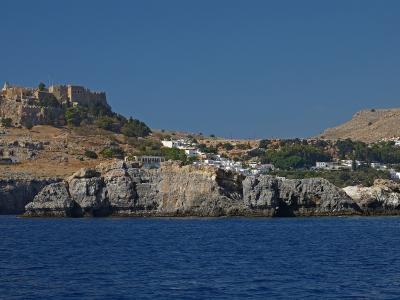
Lindos Acropolis Museum
From €10 Historic Sites & Ruins · Archaeological Museums
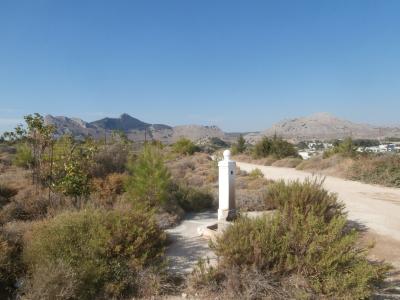
St. Paul's Pillar
Historic Sites & Ruins · Religious Heritage
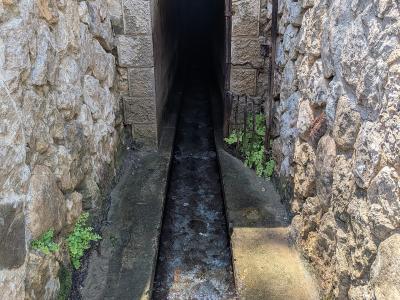
Seven Springs (Epta Piges)
Natural Landscapes
Rhodes by interest
The same sights, grouped by what you came for.
Did you know?
Checked facts about Rhodes, each with its source.
-
Film & TV
1996 Mini-Series Filming
The 1996 TV mini-series 'Rhodes,' starring Martin Shaw and featuring the story of the British businessman who founded Rhodesia, was filmed in South Africa.
Source: www.imdb.com -
History
Ottoman Siege of 1522
In 1522 CE, the Ottoman Empire dominated the island, ending the rule of the Knights of St. John and turning Rhodes into a provincial town for approximately four centuries.
Source: 2023.ieeeicassp.org
Planning a visit to Rhodes
Itineraries that include Rhodes
Good to know
- Currency
- EUR
- Language
- Greek