



Kos
Aegean island with ancient Asklepieion and sandy beaches
History
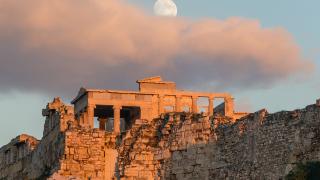
Kos, the third-largest island in the Dodecanese, boasts a continuous history spanning over 5,000 years, making it one of the most historically significant islands in the Aegean. Located near the coast of Asia Minor, the island has been influenced by a diverse array of civilizations, including the Mycenaeans, Romans, Byzantines, Knights of St. John, and Ottomans. Kos is globally renowned as the birthplace of Hippocrates, the father of modern medicine, whose legacy is preserved at the Asclepeion, an ancient healing sanctuary. The island’s strategic position made it a hub for trade and culture, leaving behind a rich architectural heritage. From the Roman Odeon, which once hosted 750 spectators, to the opulent Casa Romana, a sprawling imperial house with intricate mosaics, Kos serves as an open-air museum where layers of history are visible in every stone. The island’s identity is deeply intertwined with its medical heritage and its role as a crossroads between East and West.
Main Attractions
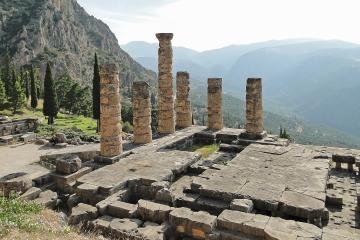
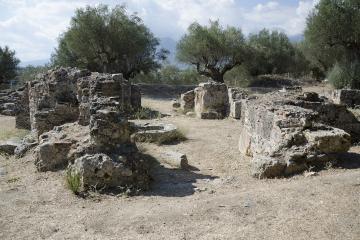
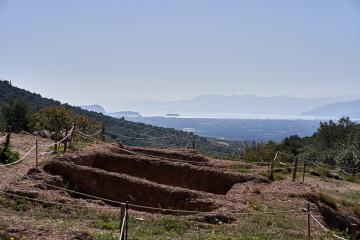
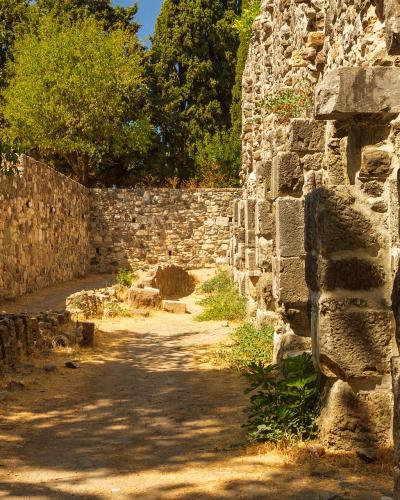
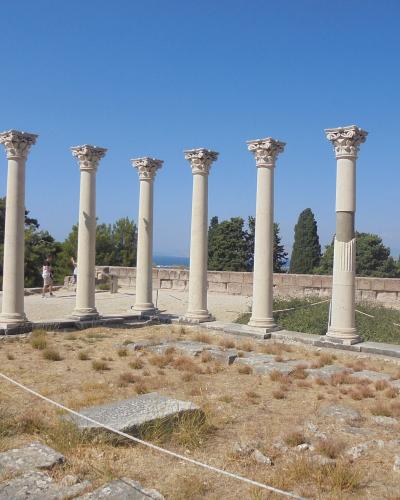
The primary attraction in Kos is the Asclepeion, situated on a hillside overlooking the sea and the Turkish coast. This ancient healing center offers panoramic views and a profound connection to the origins of Western medicine. In Kos Town, the Archaeological Museum houses artifacts from excavations spanning over a century, including the famous Lion of Kos. The Roman Odeon, a well-preserved theater built on earlier foundations, stands as a testament to the island’s Roman period. Nearby, the Casa Romana provides a glimpse into the luxurious lifestyle of the Roman elite, with its 36 rooms and detailed mosaics. The Neratzia Castle, a Knights Templar structure in the harbor, dominates the skyline and offers insights into the island’s medieval history. The Paleo Pyli Fortress, located atop a rocky hill west of Mount Dikeos, provides expansive views and ruins of an abandoned settlement. These sites collectively illustrate the island’s diverse cultural influences and historical depth.
Activities
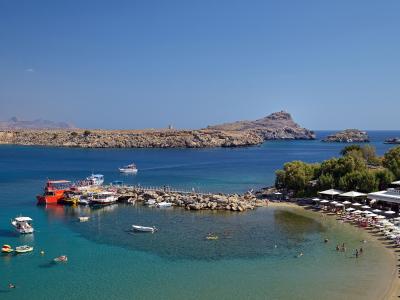
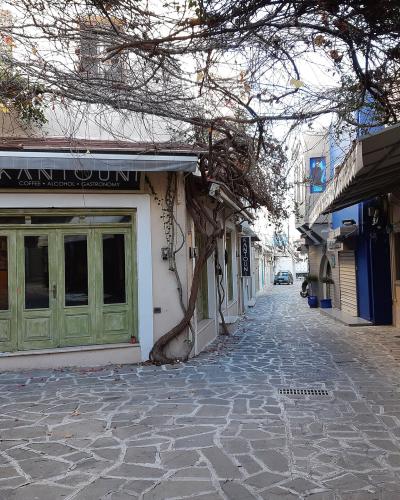
Visitors to Kos can engage in a variety of activities that highlight the island’s natural beauty and cultural heritage. The island is famous for its extensive sandy beaches, such as Tigaki and Psalidi, which are ideal for swimming, sunbathing, and water sports. Hiking trails lead through the island’s interior, offering opportunities to explore olive groves, wildflower-covered hills, and the ruins of ancient settlements. The historic center of Kos Town is best explored on foot, with narrow streets lined with cafes, shops, and historical landmarks. Boat trips to nearby islands, such as Nisyros, provide opportunities for snorkeling and exploring volcanic landscapes. The island also hosts cultural events, including the International Wind Band Festival, which celebrates local music and tradition. For those interested in wellness, the legacy of Hippocrates inspires a focus on health and relaxation, with many spas and wellness centers offering treatments rooted in ancient practices.
Getting There
Kos is easily accessible by air and sea. Kos International Airport, located near the capital, offers regular flights from Athens and other major European cities during the peak season. The flight time from Athens is approximately 50 minutes. Ferries connect Kos to the mainland port of Piraeus and other islands in the Dodecanese, such as Rhodes and Symi. The journey by ferry from Athens takes approximately 8-10 hours, depending on the type of ferry. Once on the island, public buses connect major towns and beaches, while taxis and rental cars are available for those who prefer more flexibility. The island is compact, and many attractions are within driving distance of the main towns.
Best Time to Visit
The best time to visit Kos is during the late spring and early autumn, specifically from May to June and September to October. During these months, the weather is warm and sunny, with temperatures ideal for outdoor activities and beach relaxation. The summer months, particularly July and August, can be hot and crowded, with higher prices and larger crowds of tourists. Visiting during the shoulder seasons offers a more relaxed experience, with fewer crowds and a more authentic atmosphere. The autumn months, in particular, offer beautiful weather and the added benefit of harvest festivals, where visitors can sample local produce and traditional dishes. It is advisable to book accommodation in advance, especially during the peak summer months, to ensure availability.
Best Time to Visit
May to October offers warm, dry weather, with May and June ideal for fewer crowds.
Plan Your Visit to Kos
Essential travel tips and information for your trip to Kos.
Suggested Itineraries
Discovering Kos
1 dayOne-day tour of Kos, Greece, blending history and coastal exploration.
View ItineraryTravel Tips
Currency
EUR • Cards widely accepted
Language
Greek • English in tourist areas
WiFi
Free WiFi in cafes and hotels
Explore Kos by Interest
Discover attractions and experiences in Kos organized by your interests and travel preferences.


All attractions in Kos
Sorted by our recommendation score
Quick Facts
Book your stay
Frequently Asked Questions
More destinations in Aegean
Explore other amazing places in the Aegean region