

Santorini Cultural Heritage
2-day tour of Santorini's historic villages
2 days
•
Moderate difficulty
•
Est. €120
Practical Information
For a two-day cultural exploration of Santorini, timing is critical. The optimal window is late spring (May to June) or early autumn (September to October). During these months, temperatures are mild, and the intense summer crowds have either not yet arrived or have departed, allowing for a more authentic engagement with the island’s heritage. Visiting in peak July or August, while offering the best weather, often results in overwhelming crowds that can detract from the serene experience of exploring ancient sites.
Access to the island is primarily via air or sea. Athinair and Aegean Airlines operate frequent flights from Athens International Airport to Santorini (Thira) National Airport, with the flight taking approximately 45 minutes. Alternatively, ferries depart from the Port of Piraeus in Athens, a journey lasting between 4.5 to 8 hours depending on the vessel type. Upon arrival at the airport, pre-booking a transfer or rental car is highly recommended, as public transportation options are limited and may not align with tight itineraries.
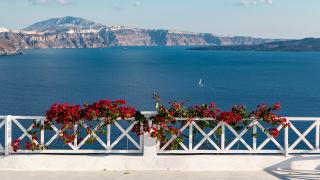
Accommodation should be strategically located to maximize time. Oia and Imerovigli are ideal for their proximity to the caldera views and historical sites, though they are pricier. For a more local experience, Perissa or Kamari offer affordable alternatives with easy access to the main attractions. Booking accommodations in advance is essential, especially during the high season, to secure reasonable rates and availability.
Budget considerations should account for the high cost of living in Santorini, particularly in the main tourist hubs. Budget estimates should include accommodation, which can range from budget-friendly guesthouses to luxury suites, as well as meals, which can be expensive in tourist-centric areas. It is advisable to book meals in advance, especially for dinner, to avoid long wait times. Additionally, budget for transportation, such as taxi or rental car expenses, and entrance fees for archaeological sites.
When packing, prioritize lightweight, breathable clothing suitable for warm weather, along with comfortable walking shoes for exploring the island’s uneven terrain. Sun protection, including sunscreen, hats, and sunglasses, is essential. A reusable water bottle is recommended to stay hydrated, and a small daypack is useful for carrying essentials during daily excursions.
Key tips for travelers include booking major attractions and restaurants in advance, especially during peak season, to avoid long wait times. Be prepared for steep, uneven terrain in areas like Oia, and wear appropriate footwear. Respect local customs by dressing modestly when visiting religious sites. Finally, stay hydrated and protect yourself from the sun, as the Greek sun can be intense.
Book your stay
More Itineraries
3 days
Extended Santorini Experience
Relaxing 3-day tour of Santorini's iconic sights
View Itinerary →