


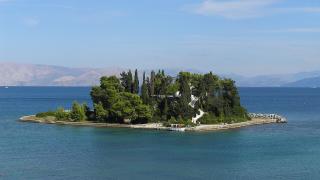

AI-generated illustration
•
AI-generated illustration
Aegean Highlights Tour
Athens, Mykonos, and Santorini in 7 days
7 days
•
Moderate difficulty
•
Est. €420
Practical Information
The optimal time to visit the Aegean for this itinerary is late spring (May–June) or early autumn (September–October). These shoulder seasons offer mild weather, ideal for exploring the Acropolis and island streets without the intense heat and overcrowding of peak summer. Summer visits are viable but require tolerance for high tourist density and higher prices.
Transportation involves a mix of air and sea. Typically, travelers fly into Athens, then take a short domestic flight or ferry to Mykonos, followed by a ferry to Santorini. For the most efficient logistics, consider flying into Athens and out of Santorini to avoid backtracking. On the islands, local buses provide affordable connectivity between major towns and beaches, though taxis and rental cars offer greater flexibility for reaching remote viewpoints or volcanic beaches. Pre-booking ferries is essential during peak months, as schedules fill quickly.
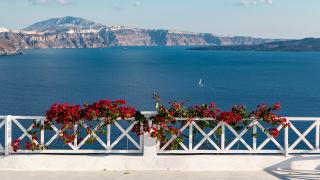
Accommodation strategies vary by location. In Athens, stay in Plaka, Monastiraki, or Syntagma for walkable access to ancient sites and dining. In Mykonos, Chora (the main town) offers vibrant nightlife and easy access to the harbor, while Ornos or Psarou provide quieter beachfront options. Santorini’s caldera-side villages like Oia and Imerovigli offer iconic sunset views but can be steep and crowded; Fira serves as a central hub with better transport links, while inland villages like Megalochori provide a more authentic, relaxed atmosphere.
Budgeting should account for the premium costs of island accommodation and dining. While some guided tours include meals and entrance fees, independent travelers should budget for high restaurant prices, especially in tourist hubs. Ferries and domestic flights represent significant transportation costs. To manage expenses, eat at tavernas away from the main squares and book accommodations well in advance.
Pack lightweight, breathable clothing for daytime exploration, but include layers for cooler evenings and windy ferry rides. Essential items include comfortable walking shoes with good grip for cobblestones and uneven terrain, sunscreen, and a hat. A power adapter for European outlets and a portable charger are necessary. Finally, carry small amounts of cash (Euros) for tips, small vendors, and island kiosks that may not accept cards, though most hotels and restaurants do.