Practical Information
Visiting Crete in a single day requires strategic planning due to the island's vast size and diverse terrain. The optimal time to visit is during the shoulder seasons of April to May or September to October. During these months, temperatures are mild, ideal for hiking and exploring, and crowds are thinner compared to the peak summer months of July and August, when heat can be intense and prices at their highest.
Transportation is essential for this itinerary, as public transport is limited and infrequent, particularly in rural areas. Renting a car is the most practical and flexible option, allowing you to navigate the island’s rugged landscape and reach remote villages at your own pace. While buses connect major towns, they are often slow and infrequent, making them unsuitable for a tight one-day schedule.
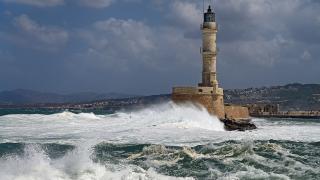
For accommodation, the choice depends on your entry point. If you arrive in the west, staying in or near Chania offers a charming base with a historic Venetian harbor. If you enter via the east, Heraklion provides more urban amenities. For a one-day trip, it is advisable to stay in the region where you plan to spend the majority of your time to minimize transit time.
Budget considerations should account for the cost of car rental, fuel, and meals. While Crete is generally affordable, tourist areas in the summer can be pricey. It is wise to budget for entrance fees to archaeological sites and to purchase water and snacks, as options may be limited in remote areas.
Pack lightweight, breathable clothing for warm days, but include a light jacket for cooler evenings, especially in the mountains. Sturdy hiking shoes are essential for exploring gorges and historical sites, as terrain can be rugged. Sun protection, including a hat, sunglasses, and high-SPF sunscreen, is crucial. Additionally, carry a reusable water bottle to stay hydrated and reduce waste.
Key tips for travelers include starting early to beat the heat and crowds, especially when visiting popular archaeological sites like the Palace of Knossos. Always carry cash for small purchases in rural areas, as credit cards may not be accepted everywhere. Respect local customs by dressing modestly when visiting churches and monasteries. Finally, stay hydrated and be prepared for sudden weather changes, particularly in the mountainous regions.