
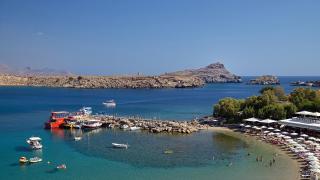

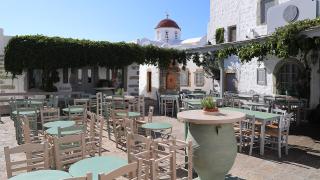





AI-generated illustration
•
AI-generated illustration
One Day in Volos
Volos city, Pelion mountains, and sea in one day
1 day
•
Easy difficulty
•
Est. €60
Practical Information
The optimal time to visit Volos is during the shoulder seasons of late spring (May to June) and early autumn (September to October). During these months, the weather is pleasantly warm, ideal for walking, and the crowds are significantly smaller than in the peak summer months of July and August. Summer can be hot and crowded, while winter is mild but may bring rain, potentially limiting outdoor activities.
Getting to Volos is straightforward via the main highway connecting Athens and Thessaloniki. Most travelers arrive by bus or private transfer from Athens, which is approximately a two-and-a-half to three-hour drive north. The city is also accessible by train, with the main railway station located in the city center. Once in Volos, the compact nature of the city center makes it highly walkable. For exploring the surrounding areas, such as the nearby Pelion Peninsula, renting a car is the most practical option, as public transportation to remote villages can be infrequent.
Accommodation is best located in the city center or along the seaside promenade. Staying in the central area provides easy access to the port, the old town, and the main dining and shopping streets. This location is ideal for visitors who prefer to walk to restaurants, cafes, and the archaeological sites. For those seeking a more tranquil experience, boutique hotels in the upper town offer quiet retreats with panoramic views of the Pagasetic Gulf, though they may require a short walk or taxi ride to reach the waterfront.
Budget considerations for Volos are generally moderate, with costs comparable to other major Greek cities. Dining costs can vary significantly; while local tavernas offer affordable traditional meals, upscale restaurants in the city center can be pricey. Budget travelers should look for local eateries outside the main tourist hubs for better value. Accommodation costs are generally reasonable, with a wide range of options available to suit different budgets.
When packing, bring comfortable walking shoes for exploring the city’s cobblestone streets and hills. Lightweight, breathable clothing is recommended for the warm summer months, along with sunscreen and a hat. In the cooler months, layers are essential. Don’t forget swimwear, as the nearby beaches are a key part of the experience. A reusable water bottle is also recommended, as tap water is generally safe to drink, though many locals prefer bottled water.