Marble Quarries of Paros
- Admission
- No specific price listed
- Hours
- Open all day
- Where
- Paros, Aegean
- Directions
- Directions
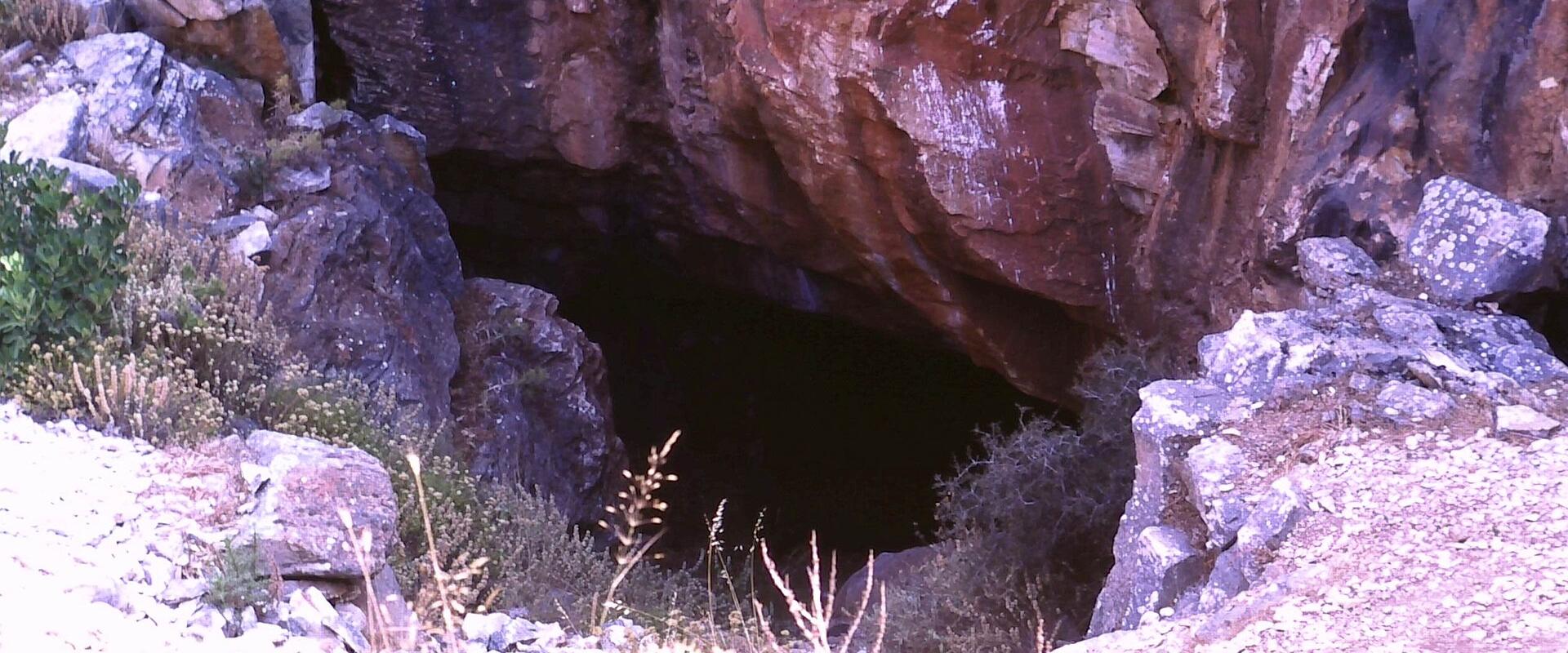
For much of antiquity the whitest and most translucent marble in the Greek world came from the hills of Paros, and the remains of the quarries can still be visited in the interior of the island. Parian marble, known as lychnites, 'lamp stone', is said to have been named for the practice of quarrying it in underground galleries by the light of lamps. Its fine grain allowed light to penetrate a little way beneath the surface, giving statues a soft, glowing finish that sculptors prized.
The quarries lie in the hills near the villages of Marathi and Lefkes, reached by a road through the interior. Mining began in prehistoric times and continued through the Archaic and Classical periods, when marble from Paros was exported across the Mediterranean and the Aegean. Parian stone was used for works such as the Hermes of Praxiteles at Olympia, and the Venus de Milo is often attributed to it too. It also supplied temples and sculpture on the island of Delos. Quarrying later declined and was revived at intervals in later periods.
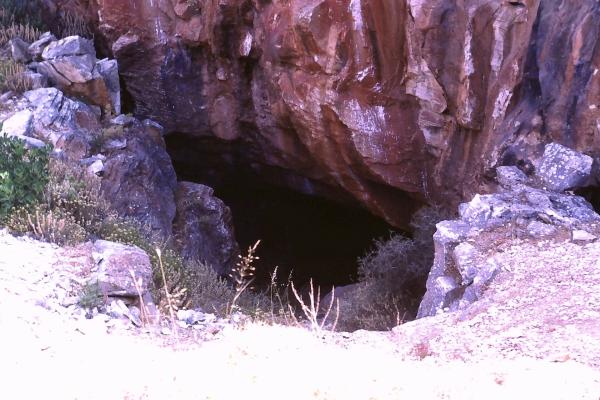
The workings consist of long, sloping adits, the tunnels cut into the hillside following the seams of the marble, and open cuttings where blocks were taken out. Entrances are usually dark and the inside of the galleries are uneven, with loose stones and the potential for falling debris, so caution is needed and nobody should enter without a proper light and care. Marble debris and chips lie scattered on the surface around the entrances, and the surroundings of dry stone terraces and scrub give a feel of how remote the place is.
Visitors who come here should wear sturdy shoes because the paths are rough and can be slippery, particularly when damp. The visit does not take long, but it gives a physical sense of the labour behind the marble statues in museums: the hard work of cutting and moving large blocks down the slope to ports like Parikia and Naoussa.
A trip to the quarries pairs well with a stop at the Archaeological Museum in Parikia, which has Parian sculpture, and with a walk in the village of Lefkes, one of the prettiest mountain villages on Paros, built from the same stone. The route also passes through olive groves and small farms.
Categories
More photos coming soon
Hours & Fees
- Open
- Open all day
- Admission
- No specific price listed
Hours and prices change, especially out of season. Check with the venue before you go.
Nearby Attractions
Other places to visit in Paros
Questions people ask
Quick Facts
Best Time to Visit
May through September offers warm, dry weather ideal for swimming and exploring.