Olympia
Ancient site of the Olympic Games in the Peloponnese
History and Cultural Heritage
Olympia, officially known as Archaia Olympia, is located in the Elis region of the western Peloponnese, where the Alpheios and Kladeos rivers meet. This site served as a Pan-Hellenic sanctuary from 776 BCE to 393 CE, functioning as a sacred center for the worship of Zeus. It is globally renowned as the birthplace of the Olympic Games, ancient athletic competitions held every four years in honor of the king of the gods. The site was not merely a sports venue but a complex intersection of religion, politics, and athletics. A defining feature of its history was the Olympic Truce, a sacred period that ensured safe passage for competitors and spectators by temporarily forbidding warfare among the Greek city-states. The sanctuary housed masterpieces by the renowned sculptor Phidias, including the legendary chryselephantine (gold and ivory) statue of Zeus, which stood as one of the Seven Wonders of the Ancient World. Although the original statue no longer exists, the ruins and artifacts remaining provide profound insight into the artistic and religious zenith of ancient Greece.
Main Attractions
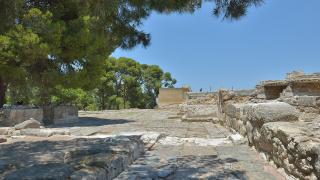
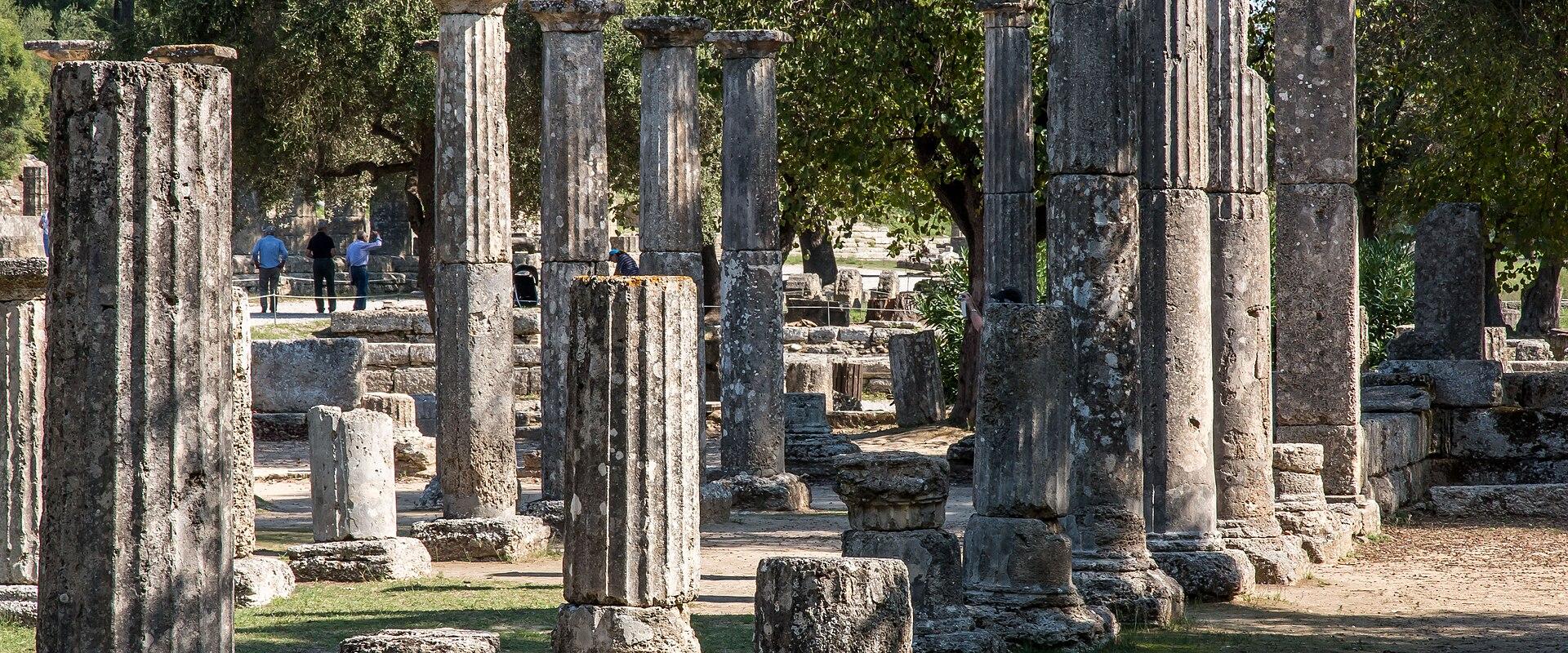
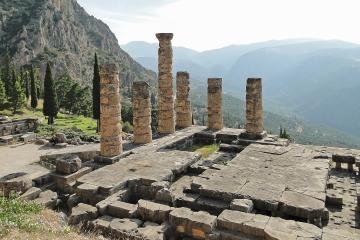
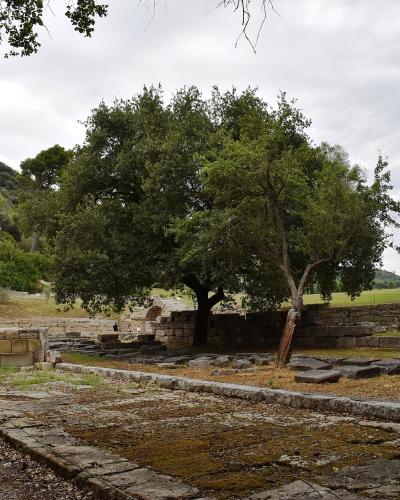
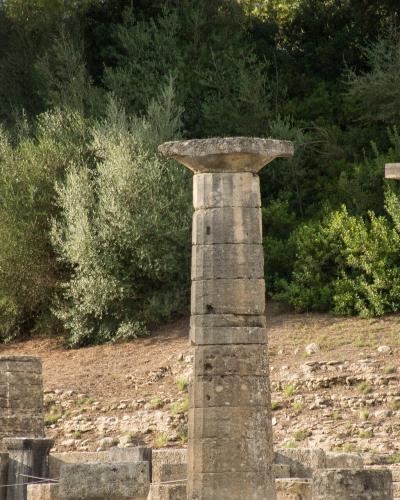
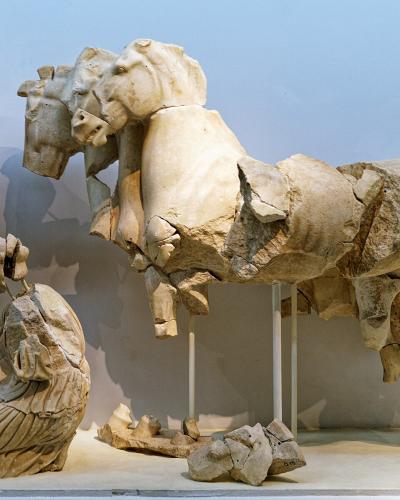
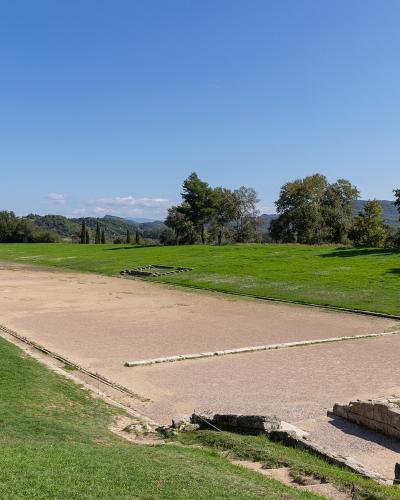
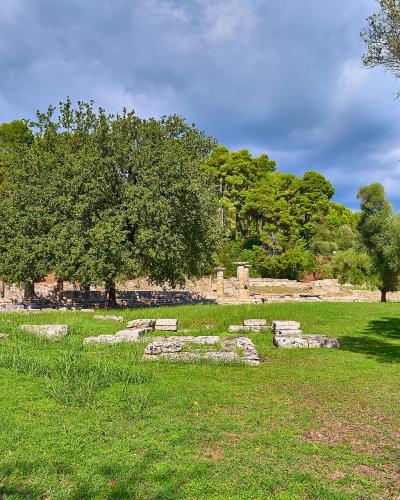
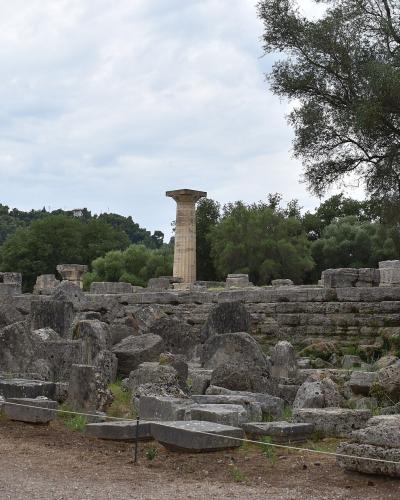
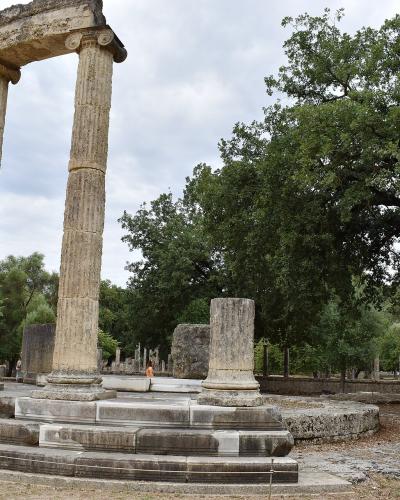
The archaeological site is set within a serene landscape of pine groves, creating an atmospheric backdrop for its monumental ruins. The most iconic structure is the Temple of Zeus, built in the 5th century BCE. While the roof and inner statue are gone, the remaining Doric columns still convey the temple’s former majesty. Adjacent to it stands the Temple of Hera, constructed in the 7th century BCE, which is historically significant as the location where the modern Olympic flame is lit before each Games. Visitors can explore the Ancient Stadium, a 2,500-year-old racetrack over 200 meters long, where athletes once competed in the nude. The site also includes the remains of the gymnasium, the Palaestra, and the workshop of Phidias, offering a comprehensive view of the infrastructure that supported the games. The Archaeological Museum of Olympia complements the outdoor experience, housing an exceptional collection of sculptures, including the Hermes of Praxiteles and the bronze statue of Poseidon, providing context to the ruins visible outside.
Activities
Exploring Olympia is primarily an immersive historical experience. Visitors spend the majority of their time walking through the archaeological site, interpreting the ruins, and visualizing the ancient events that took place there. Guided tours are highly recommended to understand the significance of specific structures and the mythology associated with the site. For those interested in deeper engagement, audio guides are available, offering detailed narratives on the antiquities. Many travelers also choose to visit the museum first to contextualize the statues and artifacts before viewing the original sites. The natural setting allows for quiet reflection among the pine trees, offering a contrast to the bustling crowds often found at other major Greek sites. Photography is permitted in most areas, allowing visitors to capture the interplay of light and shadow on the ancient stones.
Getting There
Olympia is accessible via public transportation from major Greek cities. Regular buses and trains operate from Athens, with the journey taking approximately four to five hours depending on the mode of transport and connections. The town of Olympia is well-connected to the rest of the Peloponnese, with services running from Patras and other regional hubs. Once in the town, the archaeological site is located just outside the center, easily reachable by foot, local taxi, or shuttle services. For those preferring flexibility, renting a car is a practical option, allowing for easier exploration of the surrounding region, including nearby beaches and villages. The site is well-signposted from the main roads, and parking facilities are available for private vehicles.
Best Time to Visit
The optimal time to visit Olympia is between late spring and early fall, typically from May to October. During these months, the weather is warm and dry, ideal for walking through the extensive archaeological site. Summer months of June through August offer the most reliable sunshine but also attract the largest crowds, particularly in July and August. For a more tranquil experience with pleasant temperatures, the shoulder seasons of May, June, September, and October are recommended. These periods provide a balance of good weather and fewer visitors, allowing for a more contemplative exploration of the ruins. Winter months can be cool and rainy, and while the site remains open, some services may have reduced hours, making the warmer months the most practical choice for most travelers.
Best Time to Visit
May through October offers warm, dry weather ideal for exploring the archaeological site.
Did you know?
Interesting, verified facts about Olympia
Documentary Filmed in Local Home
Film & TVThe documentary 'Olympia' features footage shot on location, including a scene filmed on the steps of the ancestral home of Michael Dukakis in Lesbos, Greece.
Source: external sourcePlan Your Visit to Olympia
Essential travel tips and information for your trip to Olympia.
Suggested Itineraries
One Day in Olympia
1 dayPerfect for a quick visit. See the main highlights and get a taste of local culture.
Extended Olympia Experience
2-3 daysComprehensive exploration including nearby attractions and cultural experiences.
Travel Tips
Currency
EUR • Cards widely accepted
Language
Greek • English in tourist areas
WiFi
Free WiFi in cafes and hotels
Explore Olympia by Interest
Discover attractions and experiences in Olympia organized by your interests and travel preferences.
All attractions in Olympia
Sorted by our recommendation score
Quick Facts
Book your stay
Frequently Asked Questions
More destinations in Peloponnese
Explore other amazing places in the Peloponnese region