History and Cultural Heritage
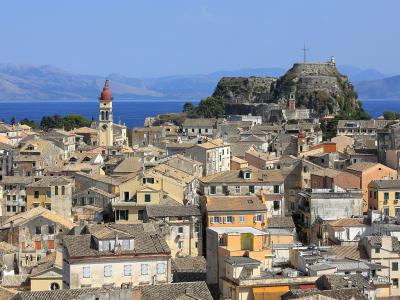
Zakynthos, often referred to by its Italian name Zante, possesses a rich historical tapestry woven from Venetian, British, and French influences. The island’s architecture reflects this complex past, most notably in the capital city, Zakynthos Town. The Agios Dionysios Church, located near the port, serves as a spiritual and architectural landmark, featuring the tallest bell tower on the island. Its history is marked by resilience; the devastating earthquake of 1953 destroyed much of the island’s infrastructure. However, the Agios Nikolaos Molos Church in Solomos Square stands as a testament to this era, remaining the only surviving Venetian-style building from the pre-earthquake period. It was meticulously reconstructed to preserve its original characteristics, offering visitors a tangible link to the island’s Baroque heritage. Beyond the capital, the island’s interior reveals a slower pace of life, where traditional family-run tavernas and farm stands offer local products such as sun-ripened tomatoes, honey, and olive oil, preserving the agricultural traditions that have sustained the community for centuries.
Main Attractions
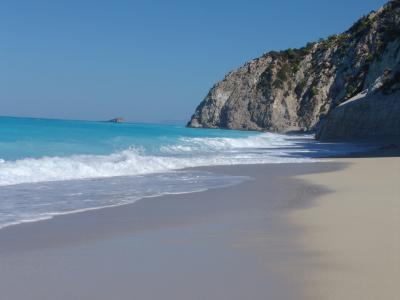
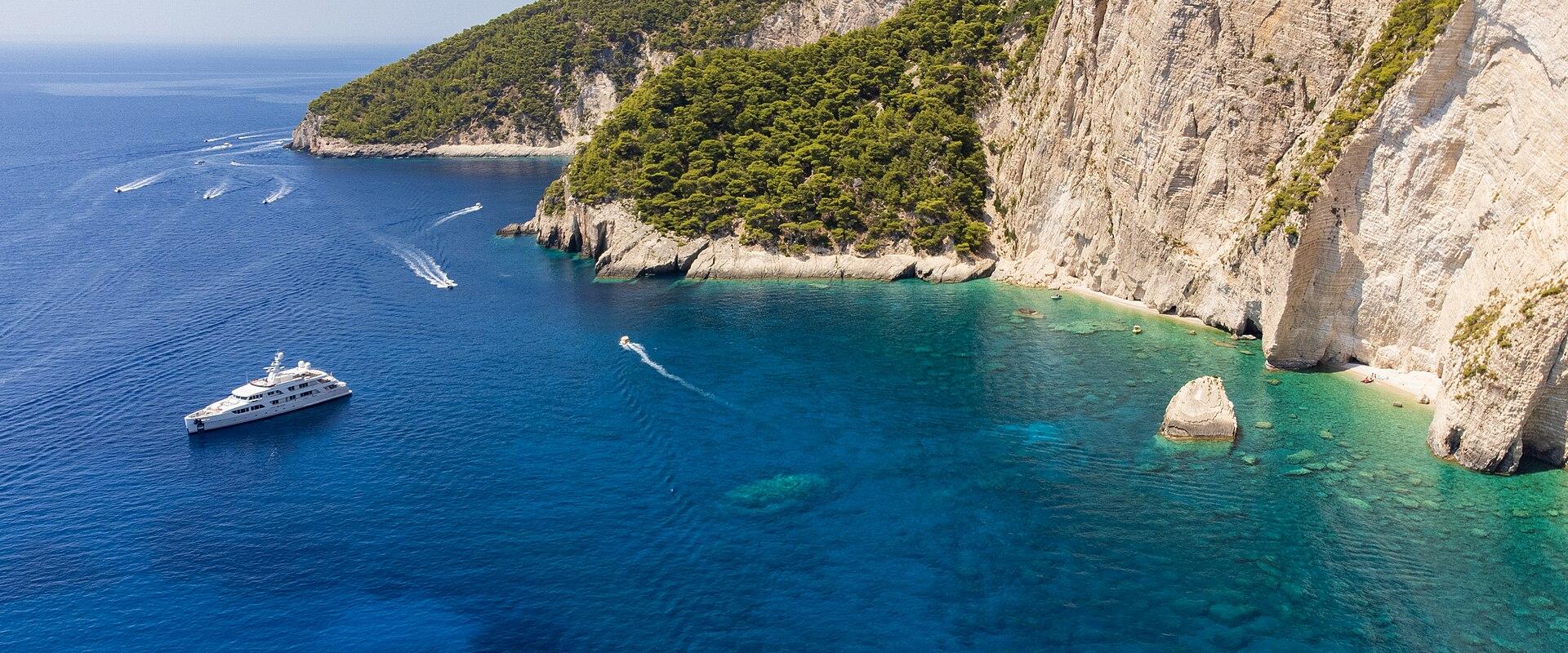
The island’s geography is defined by dramatic contrasts, divided into four distinct regions that offer varied experiences. The North is characterized by rugged, cliff-strewn coastlines and secluded white sand coves. Here lies the world-famous Navagio Beach, which you can see only from offshore or above: landing and swimming were banned by decree through at least 31 October 2026, so check the current rules. This iconic site features a rusty shipwreck stranded on a pristine white beach, framed by towering limestone cliffs and turquoise waters. Visitors are advised to respect safety barriers and visit early in the morning to avoid the peak crowds. The West coast is largely undeveloped and rugged, providing a wilder backdrop for exploration. The South is known for its golden sandy beaches, such as Kalamaki and Banana Beach, which are hubs for water sports and organized facilities. The North also hosts the Blue Caves, natural sea caves created by wave erosion that reflect the sunlight in mesmerizing shades of blue. Additionally, Marathonisi Island, a small islet off the southern coast, is a critical nesting site for the Caretta caretta sea turtle, surrounded by sandy beaches and green landscapes.
Activities
To truly experience Zakynthos, renting a boat is considered an essential activity. This allows visitors to access secluded beaches and sea caves that are inaccessible by land, offering a perspective of the island’s clearest waters. For those preferring land-based exploration, hiking through the pine-covered hills of the interior provides a soulful contrast to the coastal party scene. Visitors can explore the Skopos Peninsula or take a heartland tour to discover hidden villages and traditional architecture. In the southern regions, water sports enthusiasts can engage in jet skiing, parasailing, and swimming in the organized beach areas. For a more relaxed experience, visiting local farm stands to sample regional produce offers a genuine connection to the island’s agricultural roots. Families and groups seeking adventure can combine boat tours with visits to the Blue Caves, while those interested in culture can spend time wandering the historic streets of Zakynthos Town.
Getting There
Zakynthos is well-connected to the rest of Greece and Europe. The island has its own international airport, Zakynthos International Airport (Dionysios Solomos), which receives direct flights from major European cities during the tourist season, as well as regular domestic flights from Athens. For those traveling by sea, ferries operate from the port of Kyllini on the Peloponnese mainland, connecting Zakynthos to the Greek mainland. Once on the island, the best way to navigate is by renting a car or ATV, which provides the flexibility to explore the diverse regions, from the busy southern beaches to the secluded northern coves. Public buses connect major towns and attractions, but they may not reach the more remote beaches accessible only by boat or private vehicle.
Best Time to Visit
The ideal time to visit Zakynthos depends on the desired experience. The peak tourist season runs from June to September, offering warm weather, vibrant nightlife, and full access to all attractions. However, this period also brings large crowds, particularly around Navagio and on the southern beaches. For a more tranquil experience with pleasant weather, the shoulder seasons of May and October are excellent choices. During these months, the island is less crowded, accommodations are more affordable, and the natural beauty is still accessible. Summer months are best for those seeking beach activities and water sports, while spring and autumn offer better conditions for hiking and exploring historical sites without the intense heat. Winter months see a significant reduction in services and tourism, making it less suitable for typical holiday activities but ideal for those seeking solitude and a glimpse into local life.
Best time to visit
May through September offers warm weather and low rainfall, ideal for swimming and exploring.
What to see in Zakynthos
Our picks first.
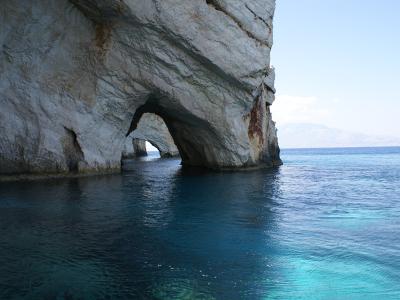
Blue Caves of Zakynthos
Limestone sea caves with electric blue light
Natural Landscapes
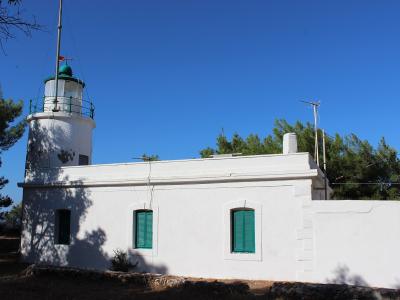
Keri Cliffs and Lighthouse
Natural Landscapes
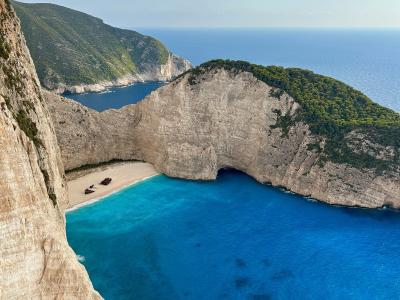
Navagio Beach
Exposed cove with a stranded shipwreck
Natural Landscapes
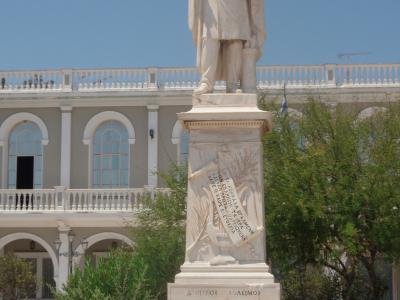
Solomos Square
Central square housing the Byzantine Museum in Zakynthos
Free Urban & Local Life
Zakynthos by interest
The same sights, grouped by what you came for.
Did you know?
Checked facts about Zakynthos, each with its source.
-
Film & TV
Descendants of the Sun filmed at Navagio Beach
The 2016 Korean drama Descendants of the Sun filmed on Zakynthos: in episode 3 its leads take a speedboat to the secluded cove of Navagio (Shipwreck) Beach, and the couple return there in the finale.
Source: Tatler Asia -
History
The 1953 earthquake almost destroyed Zakynthos town
Zakynthos town was almost completely destroyed by the earthquake of 1953 and was rebuilt with respect for traditional Ionian architecture.
Source: Visit Greece -
Notable Person
Italian poet Ugo Foscolo was born on Zakynthos
Ugo Foscolo (1778-1827), the Italian poet and patriot, was born on Zakynthos, then ruled by Venice, to a Venetian father and a Greek mother.
Source: Nuttall Encyclopaedia
Planning a visit to Zakynthos
Good to know
- Currency
- EUR
- Language
- Greek