







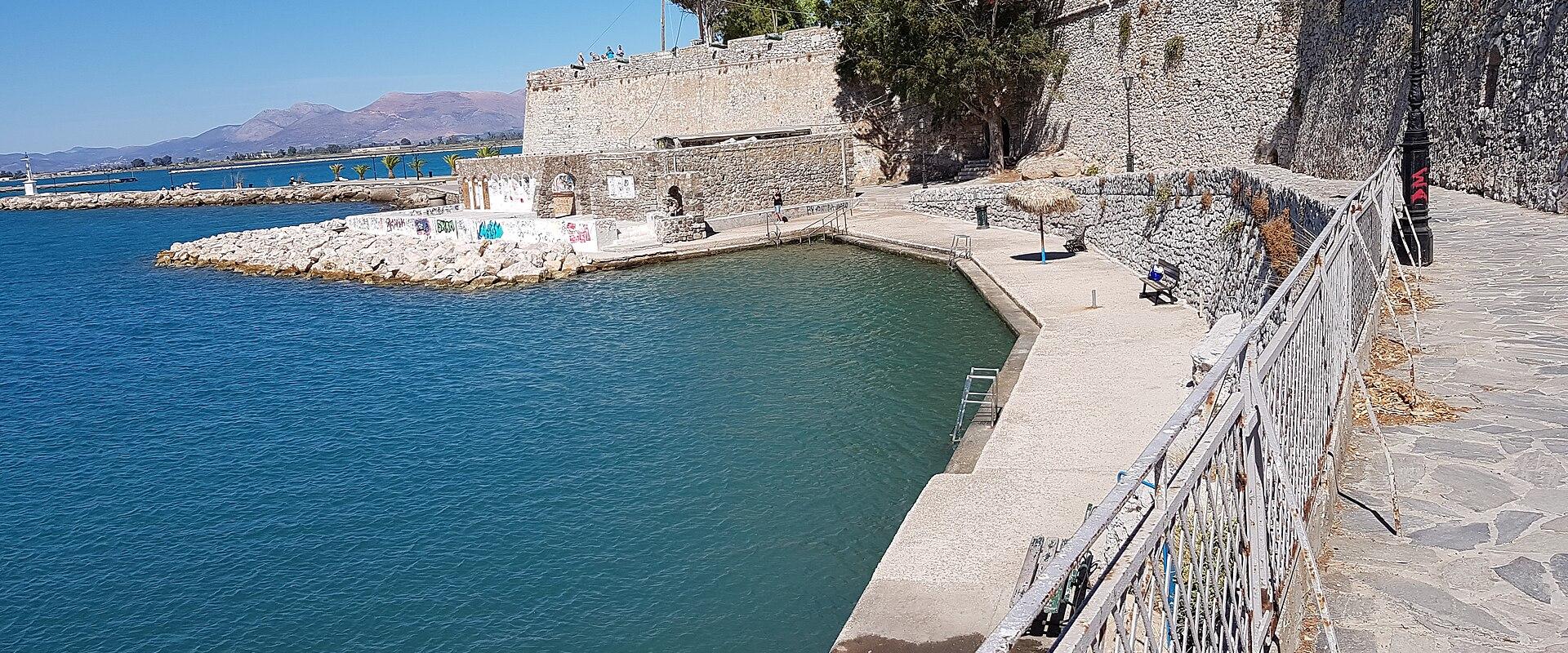
History: A Living Museum of Greek Independence
Nafplia is not merely a destination; it is a living testament to the birth of modern Greece. As the first capital of the independent Greek state, the town holds a profound historical significance that permeates its very streets. The architecture is a visual timeline of the nation’s turbulent and triumphant history, blending influences from the Venetian, Ottoman, and early modern Greek periods. Walking through the narrow, cobblestone streets of the old town, visitors are surrounded by neoclassical mansions and traditional buildings painted in warm hues of ochre, terracotta, and cream. This unique architectural tapestry, adorned with vibrant bougainvillea, creates an atmosphere that is both romantic and historically rich, offering a tangible connection to the 19th-century struggle for independence.
Main Attractions: Fortresses and Coastal Charm
The most striking feature of Nafakt is its dramatic fortifications, which dominate the landscape and offer breathtaking views. The Palamidi Fortress, a massive Venetian structure, crowns the hill above the town. Accessible by climbing 858 steps or taking a taxi, it offers panoramic views of the Argolic Gulf and the surrounding Peloponnese. For a more serene experience, the Bourtzi, a small fortress located on a small islet in the harbor, is accessible by a short boat ride. It serves as a striking symbol of the town’s maritime heritage.
The old town itself is a treasure trove of cultural sites. The Arvanitissa Square, the main square, is lined with cafes and restaurants, offering a perfect spot to observe local life. The area is also home to several museums, including the Archaeological Museum, which houses artifacts from the ancient and classical periods, providing deeper insight into the region’s ancient past.
Activities: Exploring the Peloponnese
Nafakt serves as an ideal base for exploring the wider Peloponnese region. Its central location allows for easy, half-day trips to other significant historical sites. One of the most popular excursions is to the ancient site of Mycenae, home to the legendary Lion Gate and the tombs of King Agamemnon. The journey is short, taking only about 20 minutes by car, making it an easy day trip. Another notable destination is the ancient theater of Epidaurus, renowned for its perfect acoustics and well-preserved stage, located a short drive further east.
For those who prefer a more relaxed pace, the coastal promenade offers a pleasant setting for leisurely strolls. The area is lined with cafes and restaurants, providing a perfect spot to enjoy the sea breeze and watch the sunset. The local cuisine, featuring fresh seafood and traditional Greek dishes, is a highlight of the visit, with many restaurants offering local specialties such as fresh fish and local wines.
Getting There: Accessibility and Transport
Nafakt is easily accessible by road, with regular bus and train connections from Athens. The journey from Athens to Nafakt takes approximately 1.5 to 2 hours by car, depending on traffic conditions. Public transportation is also available, with regular bus services connecting the two cities. The train station in Nafakt is located near the old town, providing a convenient option for those who prefer not to drive. For those who prefer to drive, rental cars are widely available, offering flexibility and convenience for exploring the surrounding area.
Best Time to Visit: Seasonal Considerations
The best time to visit Nakt is during the shoulder seasons of April to May and September to October. During these months, the weather is pleasant, with average temperatures ranging from 20 to 25 degrees Celsius, making it ideal for exploring the town and its surroundings. The summer months, particularly July and August, can be hot and crowded, with higher prices and larger crowds. For those who prefer a more tranquil experience, visiting during the shoulder seasons is highly recommended. It is also advisable to book accommodation in advance, especially during the peak summer months, to ensure availability and secure the best rates.
Best time to visit
April to October offers pleasant weather, with spring and autumn ideal for comfortable exploration.
What to see in Nafplio
Our picks first.
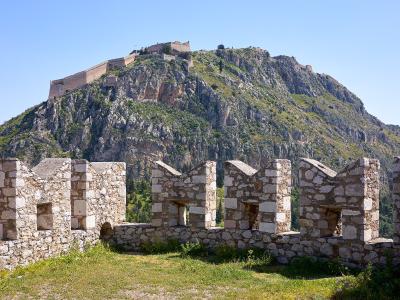
Akronafplia Fortress
Free Fortifications
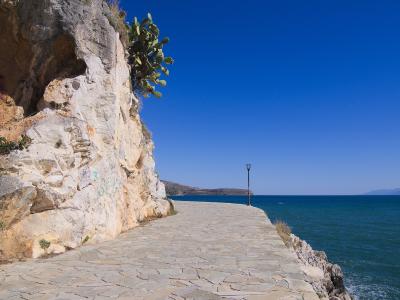
Arvanitia Promenade
Free Promenades
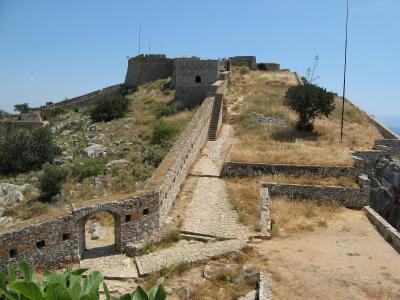
Palamidi Fortress
18th-century Venetian fortress in Nafplio
Castles · Fortifications
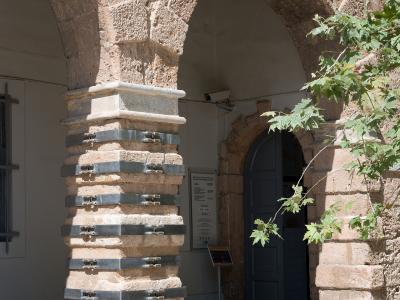
Archaeological Museum of Nafplio
From €10 Archaeological Museums
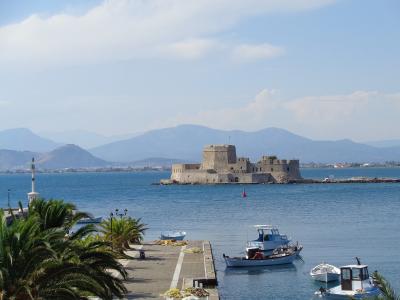
Bourtzi Castle
15th-century island fortress in Nafplio harbor
Historic Sites & Ruins · Castles
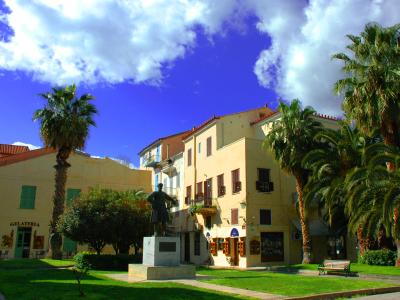
Syntagma Square (Nafplio)
Central public square in Nafplio, Greece
Free Historic Districts · Town Centers
Nafplio by interest
The same sights, grouped by what you came for.
Did you know?
Checked facts about Nafplio, each with its source.
-
History
Nafplio was capital of Greece until 1834
Nafplio became the capital of the newly founded Greek state in 1823 and kept that role until 1834, when the capital was moved to Athens.
Source: Greece Travel -
History
Greek fighters captured Palamidi fortress in 1822
Palamidi, built by the Venetians from 1711 and named after the Homeric hero Palamedes, was captured on 30 November 1822 by Greek forces led by Staikos Staikopoulos, liberating Nafplio.
Source: Hellenic Ministry of Culture - Castle Route
Planning a visit to Nafplio
Good to know
- Currency
- EUR
- Language
- Greek
Quick Facts
Book your stay
Questions people ask
More places in Peloponnese
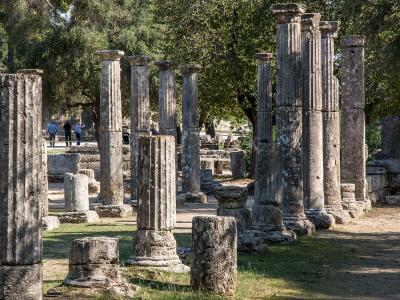
Peloponnese
Olympia
Ancient site of the Olympic Games in the Peloponnese
Peloponnese
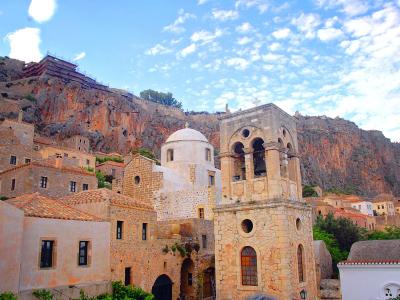
Monemvasia
Medieval fortress town on a massive offshore rock
Peloponnese
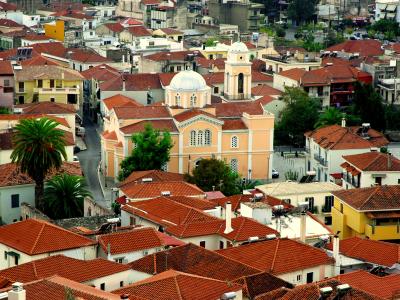
Kalamata
Coastal city in the Peloponnese known for olive oil and ancient ruins
Peloponnese
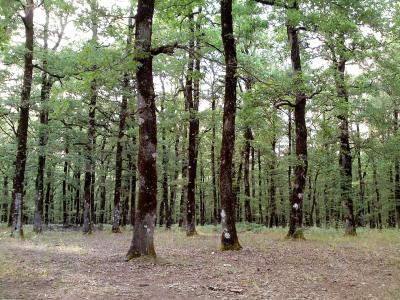
Foloi
Oak-covered plateau in inland Ilia, with Natura 2000 forest above Ancient Olympia