Corfu
Lush Ionian island with Venetian architecture and diverse beaches
History and Cultural Heritage
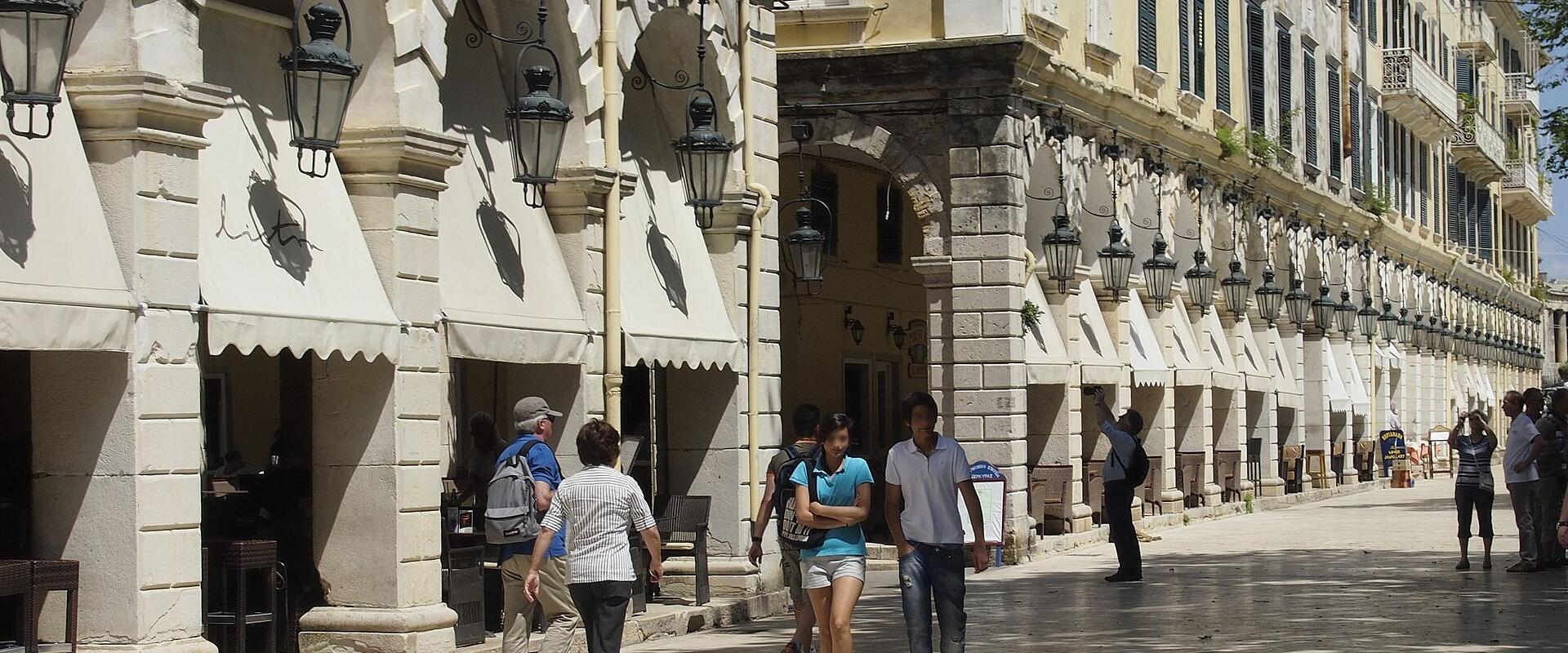
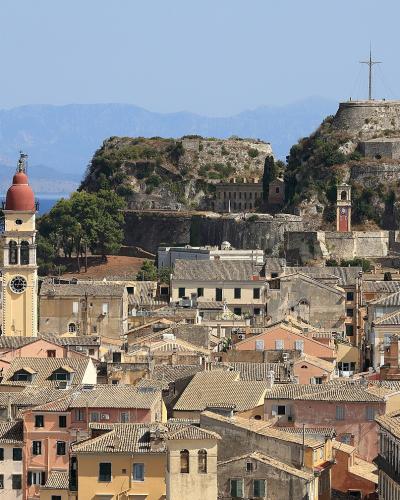
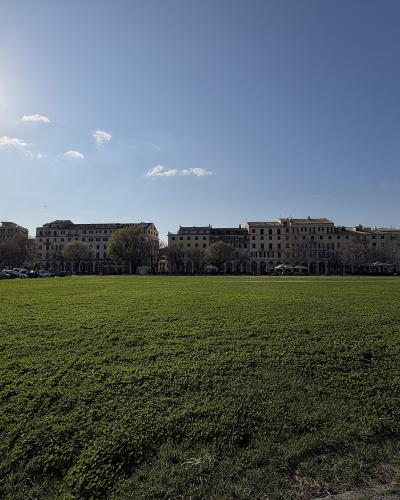
Corfu’s history is defined by its strategic position in the Ionian Sea, which attracted a succession of foreign rulers, most notably the Venetians, French, and British. Unlike the rest of Greece, Corfu was never occupied by the Ottomans, allowing it to develop a distinct European character. The Venetian rule, lasting four centuries, left the most significant imprint, creating the most intact Venetian urban fabric in the Ionian Islands. This heritage is visible in the island’s architecture, which blends Italian elegance with Greek tradition. The Old Town of Corfu, a UNESCO World Heritage Site, features narrow streets, grand palaces, and the Liston arcades, resembling an Italian city more than a typical Greek island. The island’s cultural landscape also reflects French and British influences, evident in the neoclassical buildings and public spaces. This unique historical layering has fostered a rich artistic tradition, seen in the works housed in museums like the Casa Parlante and the Nikos Paktites Folk Museum. The island’s resilience and cultural fusion make it a living museum of Mediterranean history.
Main Attractions
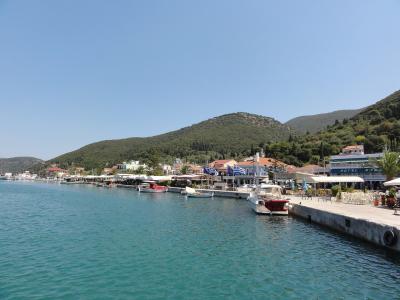
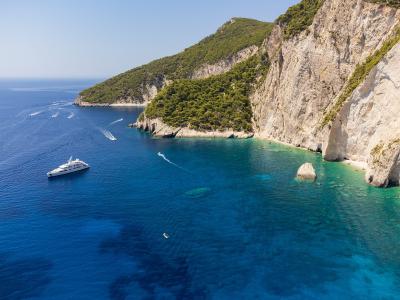
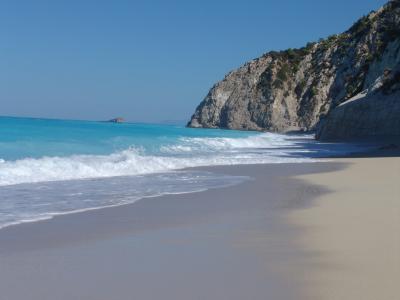
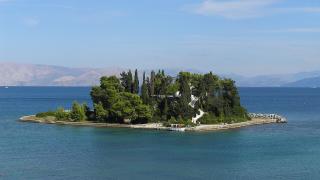
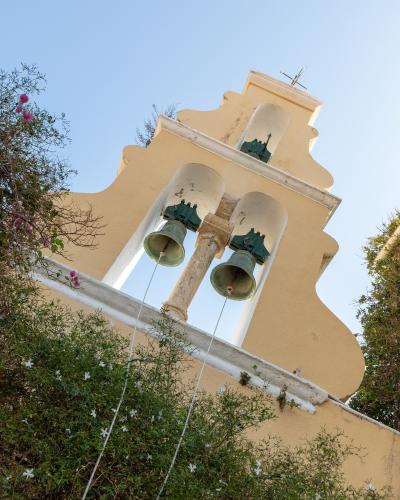
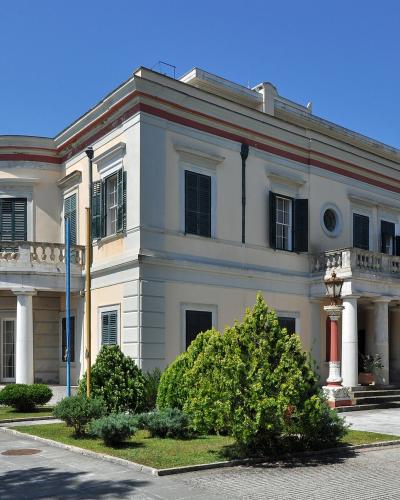
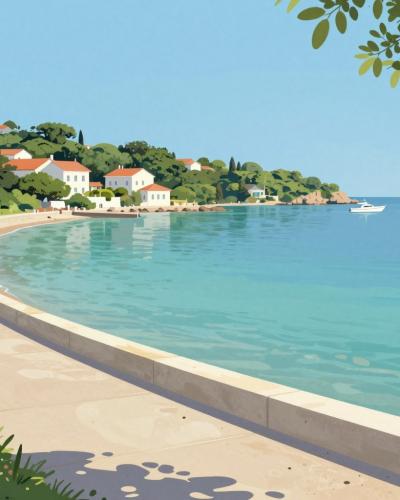
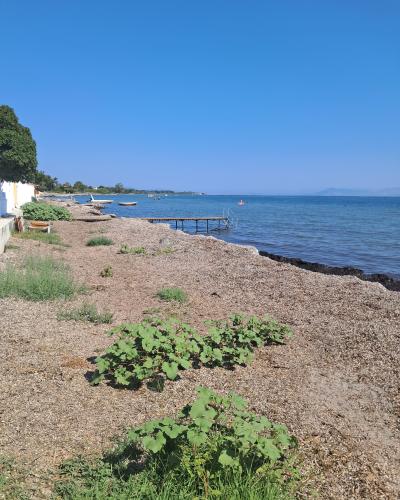
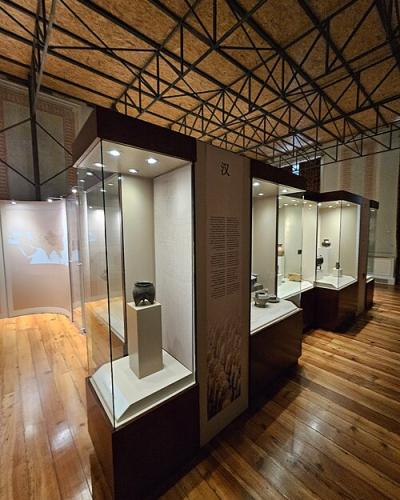
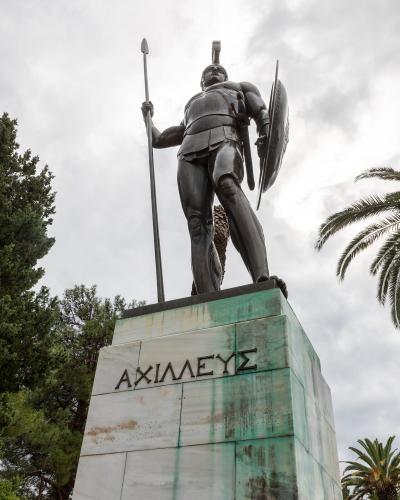
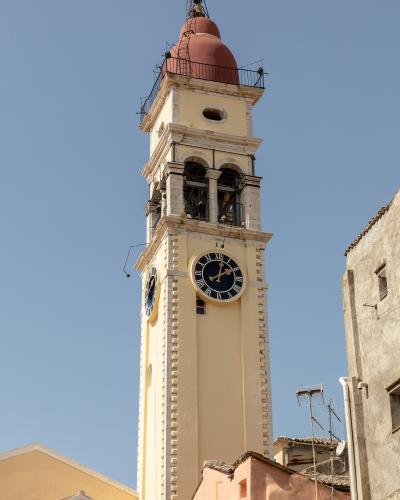
The Old Town is the primary cultural hub, where visitors can explore the Liston, a promenade lined with cafes and shops, and the Church of Saint Spyridon, a 16th-century Greek Orthodox church housing the relics of the island’s patron saint. The Achilleion Palace, built by Empress Elisabeth of Austria, is a neoclassical masterpiece dedicated to the Greek hero Achilles, featuring intricate gardens and sculptures. In the north, the Paleokastritsa bay offers a stunning natural setting with monasteries perched on cliffs overlooking turquoise waters. The island’s diverse terrain includes the lush northern hills and the flat southern resorts. Glyfada Beach, known for its golden sand and clear waters, is a standout natural attraction. Other key sites include the Vlacherna Monastery, situated on a small islet connected to the mainland by a causeway, and the Canal d’Amour, a secluded cove with dramatic rock formations. The archaeological museum in the Old Town houses artifacts ranging from ancient Greek pottery to Roman mosaics, providing context to the island’s long history.
Activities
Visitors to Corfu can engage in a wide range of activities that highlight the island’s natural and cultural diversity. Boating and snorkeling are popular in the clear waters of the north, particularly around Kassiopi and the nearby islands of Paxos and Antipaxos. Hiking trails in the northern mountains offer panoramic views of the lush landscape and the Albanian coast. In the Old Town, walking tours reveal the architectural details of Venetian fortresses and British palaces. Beachgoers can relax on the organized beaches of Glyfada or the quieter shores of Agios Gordios. The island also offers opportunities for wine tasting, with local vineyards producing high-quality wines that reflect the terroir of the region. For those interested in history, visiting the Achilleion Palace and the archaeological sites provides a deep dive into the island’s past. The vibrant nightlife in areas like Kavos and Glyfada caters to those seeking a more energetic experience, while the northern villages offer a tranquil retreat.
Getting There
Corfu is accessible by air and sea. The fastest route is a 55-minute domestic flight from Athens, with fares starting around €40. The airport is located near the town of Corfu, providing easy access to the Old Town and other parts of the island. For those traveling by ferry, the most practical route is from the mainland port of Igoumenitsa, which takes approximately 1.5 hours and costs around €10. Ferries also operate from Patras and other Greek ports, though these journeys are longer. Once on the island, public buses connect major towns and attractions, but renting a car or ATV is recommended for exploring the more remote areas, such as the northern beaches and villages. Taxis are available in the main towns, though they can be expensive for longer distances. The island’s compact size makes it easy to navigate, but having a vehicle offers greater flexibility for day trips.
Best Time to Visit
The best time to visit Corfu depends on the desired experience. Spring (April to June) and autumn (September to October) offer mild weather and fewer crowds, making them ideal for sightseeing and hiking. During these months, temperatures are comfortable, and the landscape is lush and green. Summer (July and August) is peak season, with hot weather and high crowds, particularly in popular beach areas. This is the best time for swimming and experiencing the vibrant nightlife, but visitors should expect higher prices and limited availability. Winter (November to March) is mild but rainy, with some businesses closed. It is suitable for those seeking a quiet, off-season experience and the opportunity to explore the Old Town without the tourist rush. For a balance of good weather and tranquility, late spring and early autumn are the optimal choices.
Best Time to Visit
May to June and September to October offer mild weather and fewer crowds.
Did you know?
Interesting, verified facts about Corfu
First Greek University
HistoryCorfu is the origin of the Ionian Academy, which served as the first university in the modern Greek state, marking a significant milestone in the region's educational history.
Source: external sourceBirthplace of Prince Philip
Notable PersonPrince Philip, the late husband of Queen Elizabeth II, was born in Corfu, Greece, in 1921, connecting the island to the British Royal Family.
Source: external sourcePlan Your Visit to Corfu
Essential travel tips and information for your trip to Corfu.
Suggested Itineraries
One Day in Corfu
1 dayPerfect for a quick visit. See the main highlights and get a taste of local culture.
Extended Corfu Experience
2-3 daysComprehensive exploration including nearby attractions and cultural experiences.
Travel Tips
Currency
EUR • Cards widely accepted
Language
Greek • English in tourist areas
WiFi
Free WiFi in cafes and hotels
Explore Corfu by Interest
Discover attractions and experiences in Corfu organized by your interests and travel preferences.
All attractions in Corfu
Sorted by our recommendation score
Quick Facts
Book your stay
Frequently Asked Questions
More destinations in Ionian Islands
Explore other amazing places in the Ionian Islands region