







- Hours
- No specific opening hours provided in the research.
- Where
- Santorini, Aegean
- Directions
- Directions
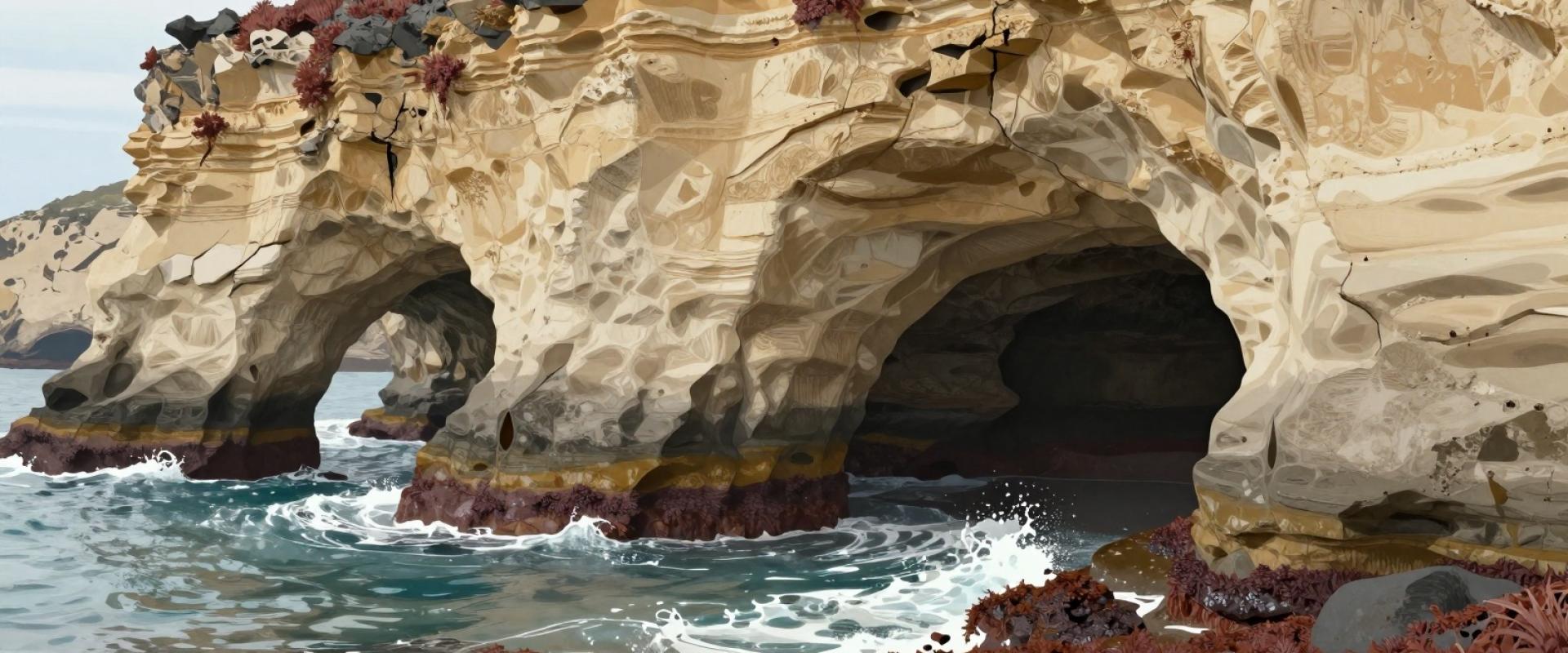
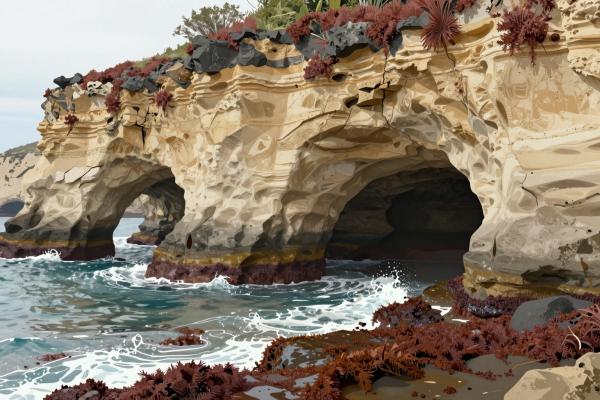
The cliffs of Santorini and the volcanic islets in the middle of the bay, surrounded by the Aegean Sea, are made of layers of lava, ash and pumice, and the sea has carved hollows and caves into the soft rock along many of the shores. The island sits on the rim of a flooded volcanic crater, created by a huge eruption in the Bronze Age, and the walls of the caldera show bands of black, red and white rock that make the setting dramatic. Exploring the caves by water is a different way to see those layers than the views from the cliff-top villages.
Most caves are reachable only by sea, and the usual way to visit them is on an organised boat trip or with a small private boat from harbours such as Vlychada, Athinios or the beach resorts on the south-east coast like Perissa. Boats usually combine the caves with stops at the volcanic islets in the bay, Nea Kameni and Palea Kameni, where visitors can walk on the crater of the volcano or swim in the warm, sulphur-rich springs. The water is often clear and, near the hot springs, stained orange-brown by minerals, and it is warm enough to swim even in spring.
Inside the caves, the light bounces off the water and on to walls streaked with red, grey and yellow. Where the openings are large, the sound of the waves echoes and the air is cooler. In places the rock is eroded into rounded hollows and arches, and the bottom is a mix of boulders and sand. Snorkelling is popular in sheltered bays near the caves, where fish are easy to see over rocky shelves.
Visitors should bring water shoes, since the rocks around the cave mouths can be rough and sharp, and a hat and sunscreen, as there is little shade on the boats and the islets. Conditions matter: the sea should be calm, and tour operators may change or cancel routes when the wind is strong. Getting into small caves requires care, as waves and swell can make entry unsafe, and it is best to follow the skipper's advice.
The quietest and most photogenic times are early morning or late afternoon, when the light is soft and fewer boats are around. There are no facilities at the caves themselves, so bring water and snacks, and plan the trip as part of a half-day cruise that also includes a swim and a view of the caldera from below.
More photos coming soon
Opening Hours
- Open
- No specific opening hours provided in the research.
Hours and prices change, especially out of season. Check with the venue before you go.
Nearby Attractions
Other places to visit in Santorini
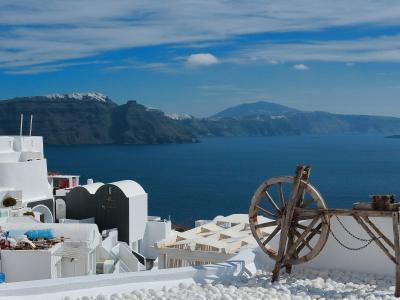
Sunset From Oia (including Castle Of Agios Nikolaos)
Sunset view from Oia castle, Santorini
Free Castles · Historic Districts
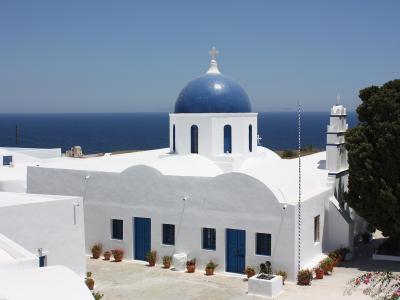
White Buildings With Blue-domed Churches
White-washed churches with blue domes in Oia
Free Churches · Historic Districts
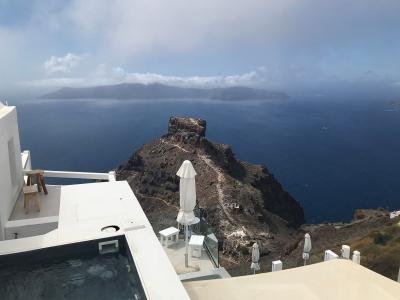
Skaros Rock
Imerovigli rock formation with caldera views
Free Historic Sites & Ruins · Natural Landscapes
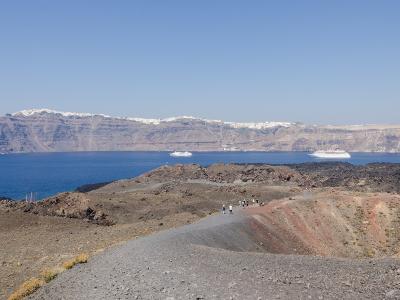
Volcanic Sites (Nea Kameni And Palea Kameni)
Active volcanic crater in central caldera
Free Natural Landscapes
Questions people ask
Quick Facts
Best Time to Visit
May to October offers warm, dry weather ideal for beach activities, with May and June providing the best balance.