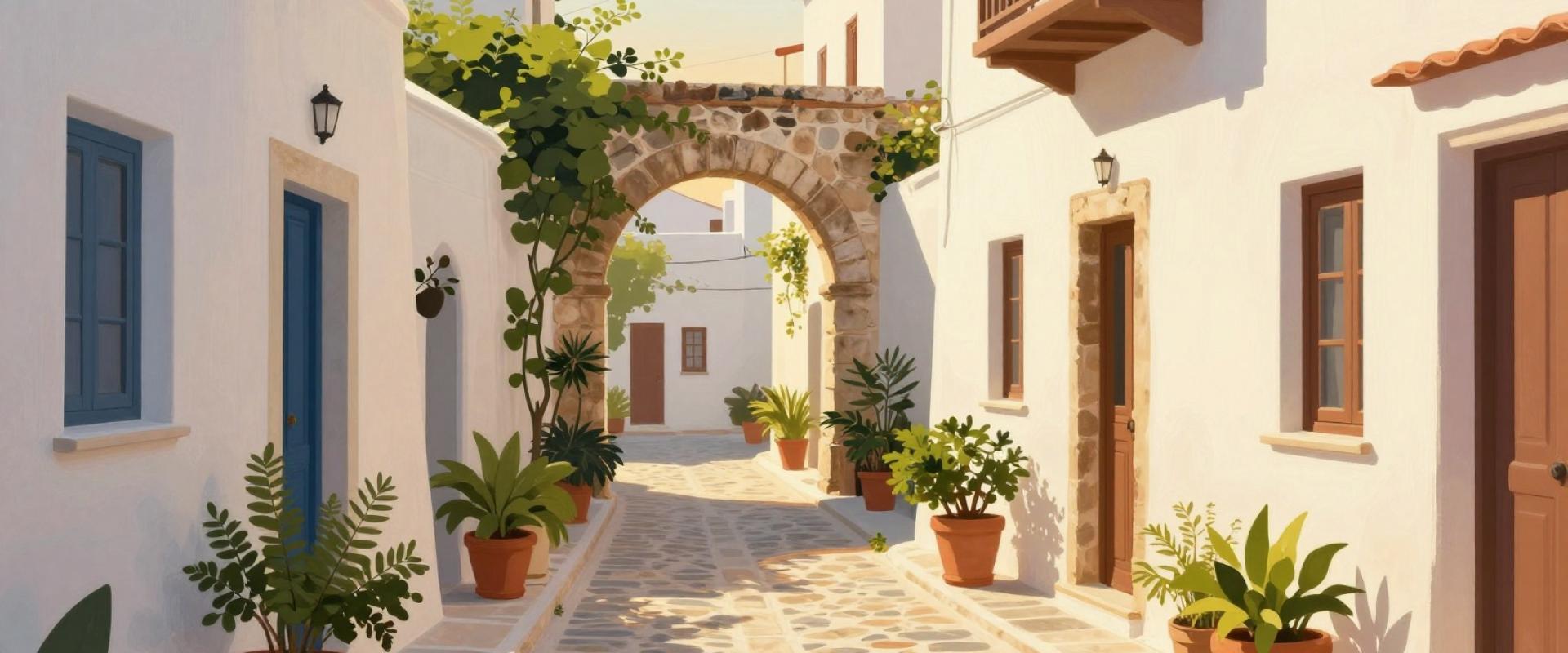
Whispers of the Sublime Porte in the Aegean Breeze
Centuries in Kos do not simply pass; they accumulate, layering over one another like the strata of an archaeological dig. The town itself serves as a living archive, where the rough-hewn stone of Byzantine fortifications abuts the refined arches of Ottoman-era mansions. This is not a static museum exhibit but an active, breathing conversation between eras.
While archaeological records confirm human presence here as far back as 2800 BC, it was the Mycenaean footprint that first carved out the island’s distinct identity. Today, visitors navigate a complex synthesis of these deep roots. The ancient Asklepion, the healing temple dedicated to Asclepius, still echoes with the medical legacy of Hippocrates, who spent his final years on this soil. Just a short walk away, the preserved Ottoman Old Town offers a starkly different glimpse into imperial administration and domestic life. These disparate historical layers coexist with surprising harmony.
Narrow, winding alleys channel the persistent sea breeze. This wind carries more than just salt spray and wild thyme; it transports narratives of commerce, conquest, and survival. The local festival honors this uninterrupted thread, celebrating a resilient spirit that has outlasted every political shift and regime change. Time feels palpable here, the past lingering invisibly in the present moment.
What remains when centuries fold into one another? Kos Town offers a tangible answer. You walk through streets where Byzantine stones meet Ottoman craftsmanship, the air heavy with the scent of pine and sea salt. This is not merely a backdrop for photography; it is a living dialogue. The island’s history spans from prehistoric settlements to the Mycenaean influences that shaped its early culture, inviting you to explore the synthesis of these worlds. You will find echoes of ancient medicine in the Asklepion, while the Ottoman quarter preserves a different, yet equally vital, era. The Aegean breeze sweeps through the alleys, carrying stories of trade and resilience. The festival celebrates this unique continuity, honoring the Greek soul that persists through every change of flag. Come and witness how history breathes in the present moment.
Rhythms of the Past: A Dance Through Centuries
The sharp twang of a laouto cuts through the evening air, instantly anchoring the Ottoman Festival in sound. Folk dancers move like living archives, their steps tracing the island’s layered history with precision. Here, Byzantine solemnity clashes and merges with Ottoman vibrancy, weaving a distinct cultural tapestry. The intricate footwork mirrors the rhythm of ancient trade routes, transforming the historic streets into an open-air theater of memory.
Melodies that have echoed for centuries invite a rare moment of pause. Greek tradition shines through the enduring spirits of the performers, preserving collective memory in motion. Culture here remains a continuous, evolving dialogue, not a static relic. These performances bridge the gap between then and now, offering a profound connection to the past that requires no translation.
History breathes through the strings of the laouto during the festival in Kos Town. You will witness folk dances that serve as physical records of the island’s complex heritage. The performance merges Byzantine solemnity with Ottoman vibrancy, creating a unique cultural tapestry that captivates attendees. Observers often note how the intricate footwork mirrors the patterns of ancient trade routes. This event transforms the historic streets into an immersive, open-air theater. It is a rare opportunity to hear melodies that have echoed for centuries, highlighting the enduring spirit of Greek tradition. You can observe how these art forms preserve collective memory, reminding us that culture is a continuous, evolving dialogue rather than a fixed exhibit.
Savoring the Legacy: A Culinary Journey Through Time
Stone walls crumble, but flavors endure. In Kos Town’s historic quarter, culinary heritage remains vibrant, sustained by centuries of maritime trade rather than mere preservation. Imagine biting into delicate baklava, its phyllo layers glistening with golden honey from local apiaries. This sweet treat showcases the island’s agricultural richness, a testament to orchards that have thrived on this sun-drenched soil for generations.
Fresh seafood and herb-infused meze populate local tables, reflecting the Aegean’s abundant bounty. These dishes offer a direct connection to the sea that defines the region’s identity. Such flavors serve as edible history, linking modern diners to ancient maritime routes where spices and ingredients once traveled complex networks of commerce.
Roasting lamb and wild herbs fill the air, an aroma that evokes an era when ingredients crossed borders, creating a living dialogue between cultures. Each bite reminds us of the cultural intersections shaping the region. History tastes of thyme, sea salt, and shared meals, enduring through careful preparation.
Kos Town’s Ottoman quarter preserves more than stone walls; it sustains a culinary heritage rooted in centuries of trade. You will encounter delicate baklava, its layers of phyllo and nuts glistening with honey, a testament to the island’s agricultural richness. Local meze tables offer fresh seafood and herb-infused dishes, reflecting the Aegean’s bounty. These flavors are not merely sustenance but edible history, connecting modern diners to ancient maritime routes. The aroma of roasting lamb and wild herbs evokes a time when such ingredients traversed complex networks of commerce. Each bite serves as a reminder of the cultural intersections that have shaped this region. History tastes of thyme and sea salt, enduring through generations of careful preparation and shared meals.
Weaving the Tapestry: A Reflection on Continuity
Ancient stones in Kos Town hold the Asklepion’s legacy in their mortar. That heritage seeps into the narrow lanes of the Turkish-era quarter, where arches and courtyards whisper of a layered past. Festivals act as vital bridges here, transforming static history into a vibrant dialogue for modern visitors. This isn’t just about preserving ruins; it is about honoring the continuous human thread that defines this Aegean gem. When you engage with these traditions, you step into an ongoing story where antiquity and contemporary life coexist seamlessly.