Why Sail the Dodecanese
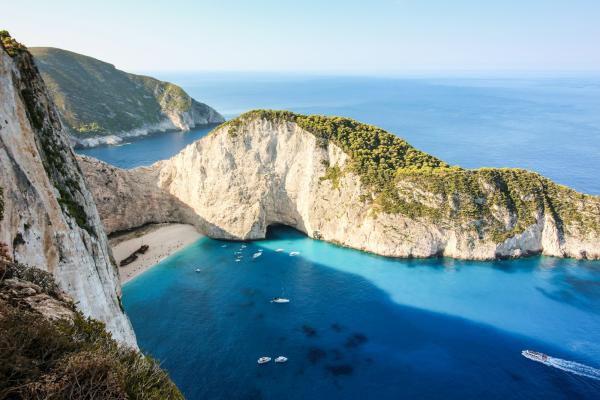
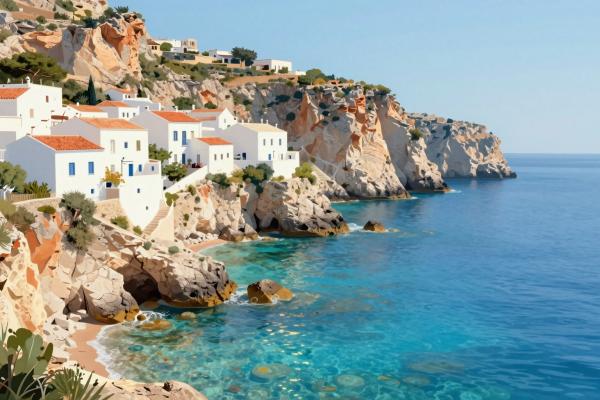
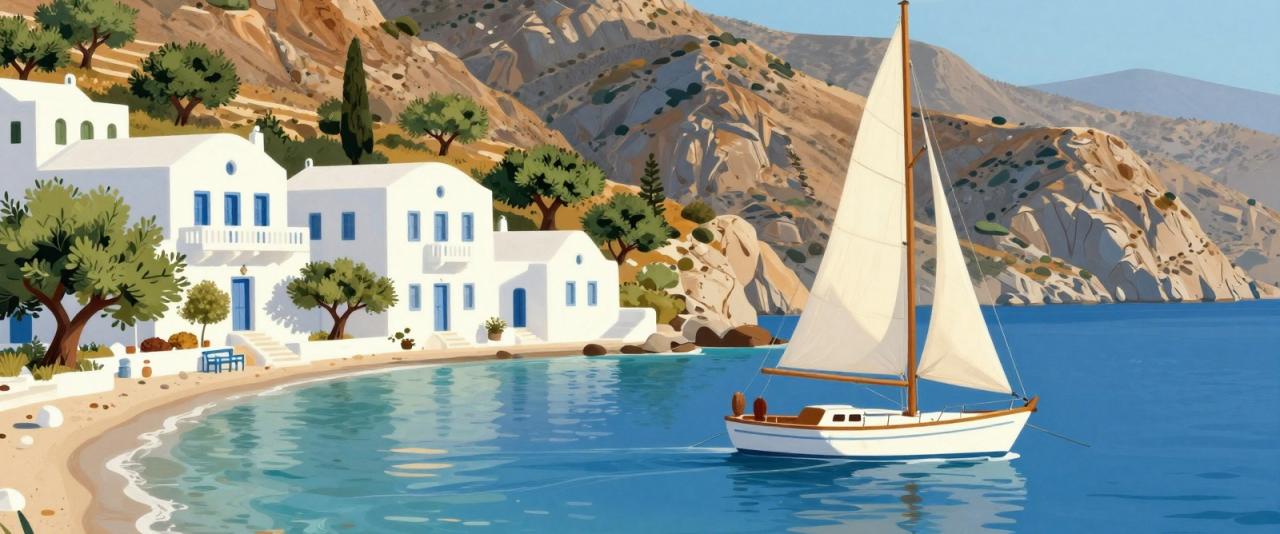
The Dodecanese is the chain of Greek islands strung along the Turkish coast in the south-eastern Aegean, from Patmos and Leros in the north to Rhodes in the south. Distances between islands are short, harbours are frequent and the mix is varied: medieval towns, volcanic landscapes, quiet fishing villages and anchorages with clear water. The two main charter bases are Rhodes and Kos, both with international airports and modern marinas, which makes the region easy to reach for a one- or two-week trip.
Bareboat, Skippered or Crewed
There are three basic ways to charter.
- Bareboat: you rent the yacht and sail it yourself. It is the cheapest option and gives full freedom, but you need recognised qualifications and real experience handling a yacht in strong wind and crowded harbours.
- Skippered: you rent a bareboat yacht and hire a professional skipper, who sleeps on board and handles navigation and mooring. You pay the skipper's daily fee and provide their food. This suits families and groups without the licences, or sailors new to the area.
- Crewed: a larger yacht or catamaran comes with skipper, cook or hostess, and the crew runs everything. It is the most comfortable and most expensive option.
Catamarans are popular with families because they are stable, roomy and have shallow draft for anchoring close to beaches.
Licences and Paperwork for a Bareboat
Greek port police require the skipper of a bareboat charter to hold a recognised certificate. The International Certificate of Competence (ICC) is the safest choice; RYA Coastal Skipper, Yachtmaster, ASA 104 and some national licences are also generally accepted. Requirements are enforced strictly, and some charter companies and port authorities no longer accept the RYA Day Skipper alone. Most companies also want a second crew member with sailing experience on the crew list, and some ask for a VHF radio operator's certificate. Check the exact rules with your charter company before you book, because they are responsible for registering your crew list with the port authority.
Charter prices usually exclude extras such as the final cleaning, the outboard for the dinghy, a security deposit or damage-waiver insurance, and harbour fees along the way.
When to Go: The Meltemi and the Seasons
The Dodecanese has one of the longest sailing seasons in Greece, roughly from April to October. The defining weather feature is the meltemi, a strong northerly to north-westerly summer wind that blows most reliably in July and August. It often reaches force 5 to 7 and can be stronger, typically building in the late morning and easing in the evening, and it can blow for several days at a time. The seas it raises in the channels between islands can be uncomfortable for inexperienced crews.
For relaxed cruising, May, June and September are the best months: warm water, more moderate winds and less crowded harbours. If you sail in July or August, plan short hops, sail early in the day, and keep a spare day in your schedule in case a strong meltemi keeps you in port.
Sample Routes from Rhodes and Kos
From Rhodes, a typical week heads north-west and back. Symi, one of the closest islands, has a picturesque harbour lined with neoclassical houses at Gialos and the large Monastery of Panormitis in a sheltered bay in the south. Beyond it, Tilos is quiet and walkable, and Halki is a tiny island with a single harbour village. On Rhodes itself, the bay below Lindos and its acropolis makes a memorable final anchorage.
From Kos, the islands are closer together. Nisyros, to the south, is a volcanic island where you can take a bus or taxi up to the Stefanos crater from the harbour. Kalymnos, to the north, is known for its sponge-diving history and its rock climbing, with the deep inlet of Vathi on its east coast. Pserimos, a small island between Kos and Kalymnos, has a sandy bay, and Leros, further north, has some of the best natural harbours in the region.
One-way charters between Rhodes and Kos are often possible for an extra fee, which lets you see more islands without sailing back against the wind.
Practical Tips on Board
In most Greek island harbours, yachts moor stern-to the quay using their own anchor (Mediterranean mooring), which takes practice in a crosswind. Arrive early in the afternoon in summer to find space, especially in Symi. Water and electricity are available on many quays for a small fee, and harbour dues are usually modest. The Turkish coast is very close, but crossing requires clearing customs and immigration on both sides and permission from your charter company, so most charterers stay in Greek waters.
Pack light in soft bags, bring non-marking deck shoes, a windproof layer for evenings and plenty of sun protection, and download a weather app or check the forecasts from the Greek meteorological service before each passage.