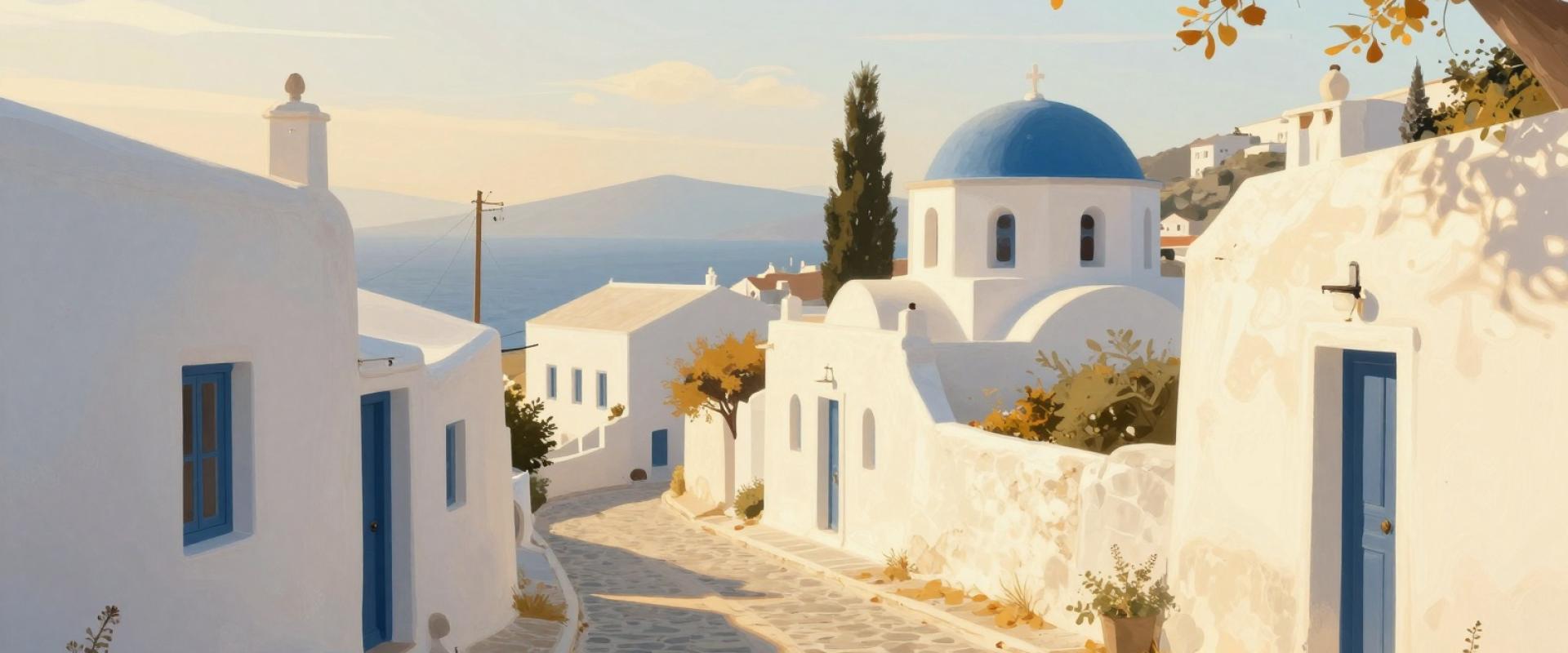
The Whispering Aegean: Patmos in Autumn
When the August heat finally breaks, Patmos exhales. The chaotic energy of the summer crowds dissipates, replaced by a serene stillness that settles over the whitewashed streets of Chora. In this quietude, the island reveals its true character, waiting patiently for those willing to slow down and listen.
The Weight of Stone: A Spiritual Immersion
Stepping from the bright, blinding Aegean sun into the Monastery of the Holy Apostles, the temperature drops, but so does the noise. The air inside is cool, thick with the scent of beeswax candles, incense, and old stone. Here, the silence is not an emptiness; it is a presence.
The monks move through the stone corridors with a quiet, deliberate purpose. They do not pause for sightseers; they are anchored in a rhythm of prayer that has echoed through these halls for centuries. Walking through the cloisters, you are not merely observing history. You are walking in the footsteps of theologians who have guarded these sacred texts for generations.
The atmosphere is heavy, not with oppression, but with depth. It is a spiritual gravity that demands respect. As you walk, the noise of the world fades, replaced by the gentle rustle of robes and the distant chime of bells. This is not a museum exhibit to be passively viewed, but a living testament to faith.
The Cave of Revelation
Just beyond the monastery, the landscape shifts from the architectural to the primal. The cave of the Apocalypse, located on the island’s highest peak, offers a stark, natural contrast to the stone walls of the monasteries.
Here, the rock formations are rough, worn smooth by millennia of wind and time. This is the physical anchor of the island’s spiritual narrative. The air feels charged, heavy with the weight of history and the quiet devotion of those who have sought solace here for centuries. Standing within the cave, the connection between the physical landscape and the ancient text becomes undeniable. It is a place of introspection, where the silence is not empty, but full of memory.
Chora’s Quiet Corners
Autumn transforms Patmos into a sanctuary for those seeking stillness. The heat that once baked the white-washed streets has broken, leaving behind a crisp, refreshing air. The local rhythm slows, allowing for deep, personal reflection.
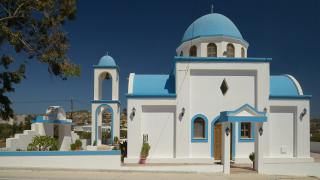
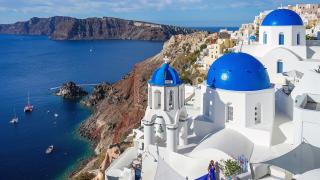
Chora, the island’s capital, opens its arms to the quiet observer. The white-washed buildings, previously vibrant with the hustle of tourists, now stand stoic and serene against the cooling blue sky. The light is softer, casting long, gentle shadows that highlight the intricate details of the traditional architecture.
This is the time to wander without a schedule. To let the pace of the island dictate your steps. To listen to the whisper of the wind through the cypress trees, and the gentle lap of waves against the shore. It is a moment to reconnect with the ancient rhythms of the Aegean, and to find a peace that is both ancient and immediate.
The Rhythm of the Sea
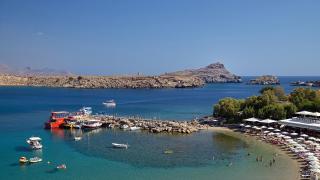
The sea remains calm, reflecting the deep blue sky, while the local monasteries open their doors to the quiet of the afternoon. This is the moment to experience the true, unvarnished character of the island.
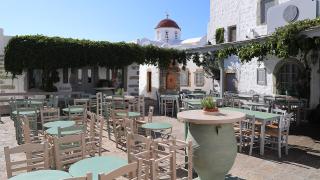
The air is crisp, perfect for a long walk along the coastline. The heat of the summer is replaced by a gentle, cooling breeze. You can spend hours in the quiet, reading or meditating in the stone corridors, far from the noise of the tourist hubs.
This is not just a visit; it is an immersion. The noise of the world fades, replaced by the natural cadence of the island. The sea whispers, the wind rustles, and the stone holds the memory of centuries. In this quiet corner, Patmos reveals its true self: a moment of peace, preserved in stone and spirit, waiting for you to listen.