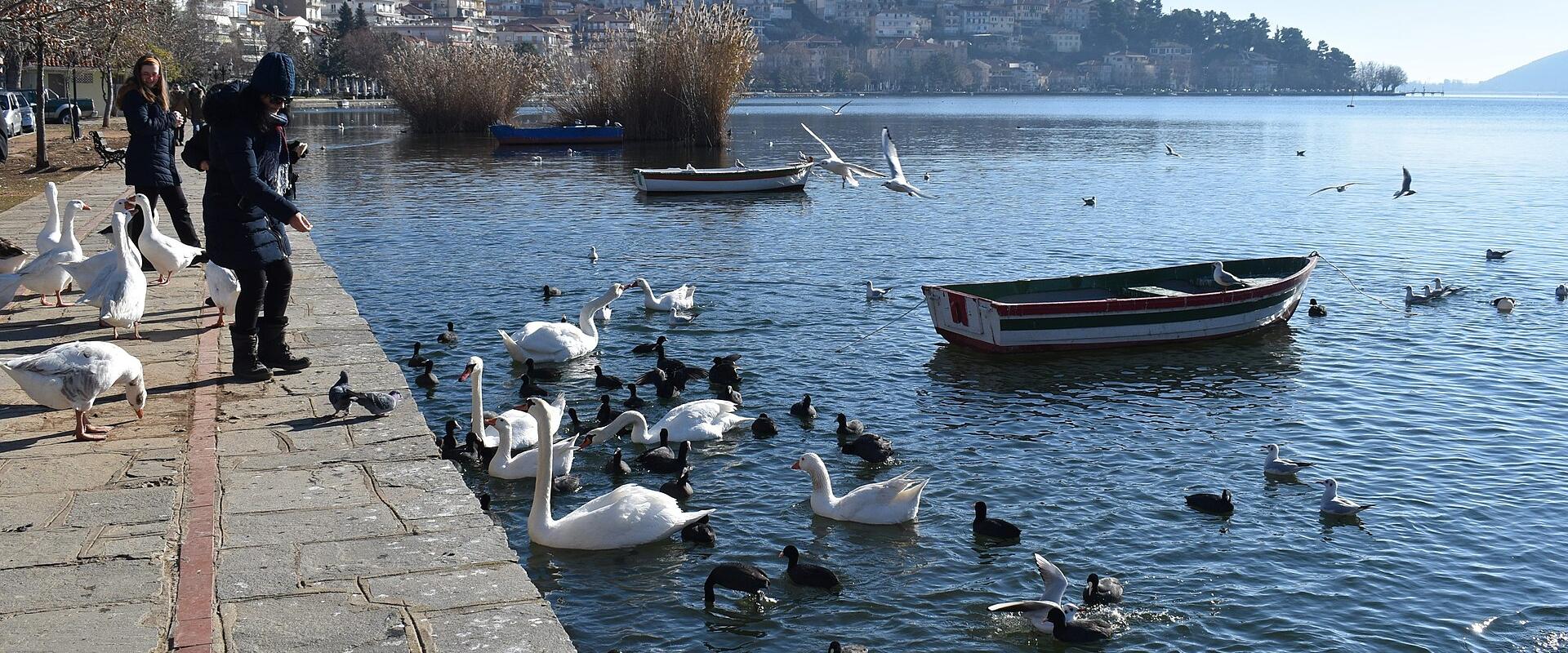
Kastoria
Lakeside city in northern Greece
History: A Legacy of Fur and Faith
Kastoria’s identity is inextricably linked to its unique economic history, which sets it apart from other Greek destinations. While many regions in Greece are defined by ancient ruins or coastal beauty, Kastoria’s heritage is rooted in the fur trade, a industry that flourished here for centuries. The city’s name itself is derived from the Greek word for "beaver," kastor, reflecting the historical abundance of these animals in the region. By the 14th century, Kastoria had established itself as a significant trading hub, where local artisans developed a reputation for high-quality craftsmanship.
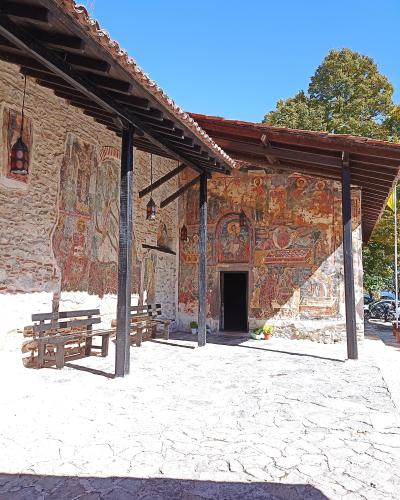
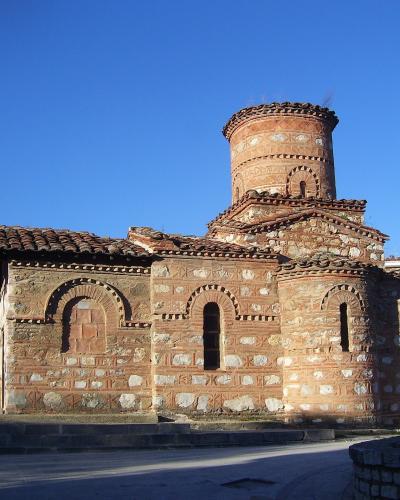
The cultural landscape is further defined by its religious architecture. The city is home to numerous Byzantine churches, each a testament to the region’s deep spiritual roots. The most prominent is the Panagia Koumpelidiki, a 10th-century church that stands as a masterpiece of Byzantine art. Its intricate frescoes and historical significance offer a glimpse into the religious and cultural life of the region over the centuries. This blend of historical depth and artistic heritage provides a rich backdrop for visitors, offering more than just visual beauty; it offers a connection to the past.
Main Attractions: Nature and Heritage
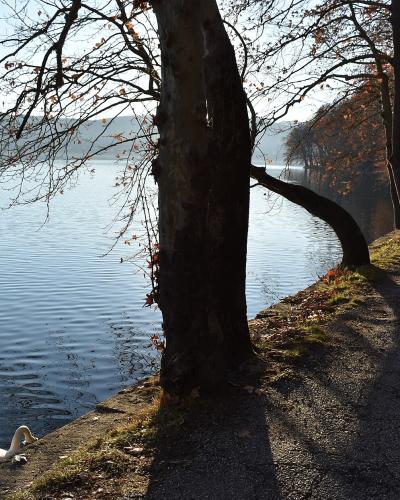
Beyond the historic churches, Kastoria offers a diverse range of attractions that cater to nature lovers and culture enthusiasts alike. The most iconic natural feature is the lake itself, which serves as the city’s crown jewel. The lake’s calm waters reflect the surrounding limestone mountains, creating a serene and picturesque setting. Visitors can take a leisurely walk along the lakeshore, enjoying the fresh air and the stunning views.
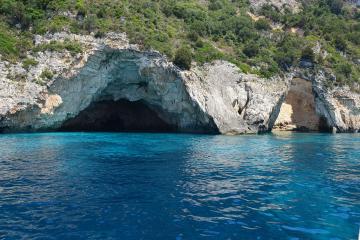
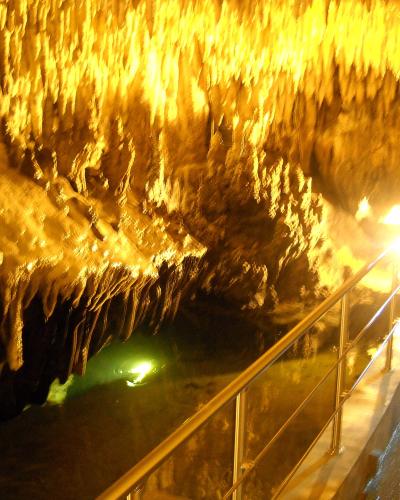
For those interested in exploration, the nearby Dragon’s Cave offers a unique adventure. This natural cave, located just outside the city, provides a glimpse into the region’s geological history. The cave’s intricate formations and cool, damp atmosphere offer a stark contrast to the warm, sunny days outside, providing a unique and memorable experience.
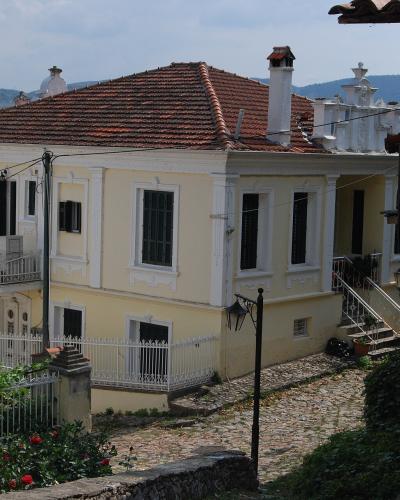
Additionally, the region is home to several traditional villages, such as Nestorio and Vitsi, which offer a glimpse into traditional Greek life. These villages are known for their traditional architecture, local crafts, and warm hospitality. Visitors can explore the narrow streets, visit local shops, and sample traditional cuisine, providing a deeper understanding of the local culture.
Activities: Immersive Experiences
Kastoria offers a variety of activities that allow visitors to engage with the local culture and natural environment. One of the most popular activities is hiking. The surrounding mountains offer numerous trails for hiking, ranging from easy walks to more challenging hikes. These trails offer stunning views of the lake, the mountains, and the surrounding countryside.
For those interested in culture, the local museums provide a deeper understanding of the region’s history and culture. The museums house a variety of artifacts, including ancient pottery, religious icons, and traditional crafts. These museums offer a unique insight into the region’s history and the lives of its people.
Getting There: Accessibility
Kastoria is easily accessible by road, with well-maintained roads connecting it to major cities in Greece. The city is located approximately 575 kilometers from Athens, making it a manageable drive for those traveling from the capital. The journey takes approximately five to six hours, depending on traffic and road conditions.
For those who prefer to fly, Kastoria has its own airport, located just 10 kilometers from the city center. The airport offers flights from Athens and other major cities, providing a convenient and quick way to reach the region. The short flight takes approximately one hour, making it a convenient option for those who prefer to avoid the long drive.
Best Time to Visit: Seasonal Considerations
The best time to visit Kastoria depends on the type of experience you are seeking. The spring and autumn months are ideal for visiting, with mild temperatures and fewer crowds. The spring months, in particular, are beautiful, with blooming flowers and lush greenery. The autumn months are also pleasant, with warm days and cool nights, perfect for hiking and exploring the outdoors.
Summer is the peak tourist season, with warm weather and long days. This is the best time to enjoy the lake and the outdoors, but it is also the busiest time, with larger crowds and higher prices. Winter, on the other hand, is cold and snowy, with the possibility of snow in the mountains. This is a great time for winter sports, such as skiing and snowboarding, but it is less suitable for those who prefer warmer weather.
Best Time to Visit
May through October offers pleasant weather, with late spring and early autumn providing the most comfortable conditions.
Plan Your Visit to Kastoria
Essential travel tips and information for your trip to Kastoria.
Suggested Itineraries
One Day in Kastoria
1 dayPerfect for a quick visit. See the main highlights and get a taste of local culture.
Extended Kastoria Experience
2-3 daysComprehensive exploration including nearby attractions and cultural experiences.
Travel Tips
Currency
EUR • Cards widely accepted
Language
Greek • English in tourist areas
WiFi
Free WiFi in cafes and hotels
Explore Kastoria by Interest
Discover attractions and experiences in Kastoria organized by your interests and travel preferences.
All attractions in Kastoria
Sorted by our recommendation score
Quick Facts
Book your stay
Frequently Asked Questions
More destinations in Macedonia
Explore other amazing places in the Macedonia region