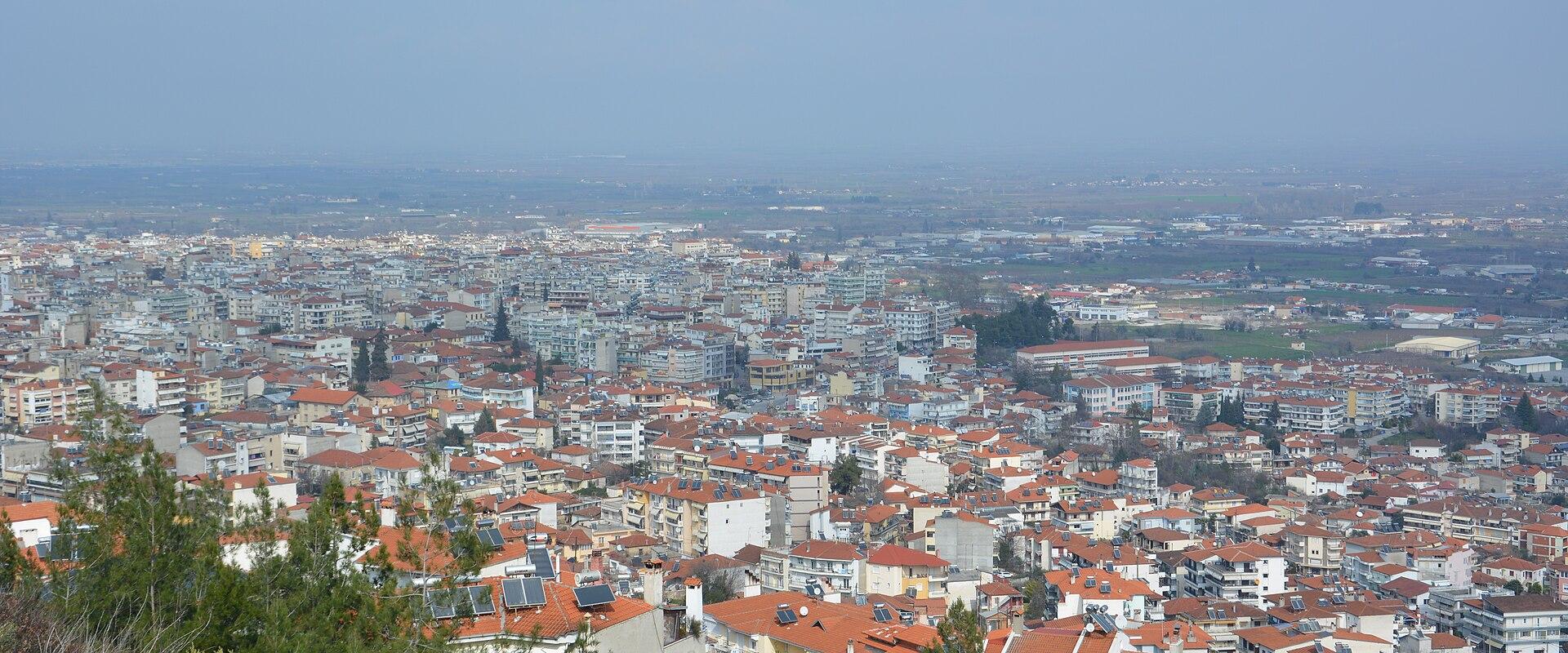
Veria
Historic city in the heart of Macedonia
History: A Tapestry of Faith and Antiquity
Veria, often referred to as the "Little Jerusalem" of Macedonia, is a city where history is not just recorded in books but is embedded in the very stones of its streets. Located in the regional unit of Imathia, Veria has been a crossroads of civilizations for millennia. The city’s strategic location in the central plains of Macedonia made it a significant hub during the Roman and Byzantine eras. Today, this historical depth is visible in its architecture, which blends ancient, Byzantine, and Ottoman influences. The city’s name, derived from the ancient city of Beroea, connects it to a rich past that includes the early spread of Christianity. It was here that the Apostle Paul is believed to have preached, adding a layer of spiritual significance to the urban landscape. The preservation of these historical layers offers a unique window into the region’s complex cultural heritage, making every corner a potential lesson in history.
Main Attractions: Religious Heritage and Natural Beauty
The cultural heart of Veria is defined by its religious sites, which are central to the city’s identity. The most prominent is the Church of St. Paul, a 14th-century Byzantine church that stands as a testament to the region’s religious history. Its intricate frescoes and architectural details offer a glimpse into the artistic traditions of the Byzantine era. Nearby, the Old Jewish Quarter, with its restored synagogue, provides a poignant reminder of the city’s diverse religious past. This area, once a vibrant center of Jewish life, now serves as a quiet memorial to a community that was once integral to the city’s social fabric.
Beyond the religious sites, the natural landscape offers a contrasting yet complementary experience. The city is nestled at the foot of Mount Vermion, a range that provides a dramatic backdrop and a source of natural beauty. The interplay between the urban environment and the surrounding mountains creates a unique atmosphere, where the bustle of the city gives way to the tranquility of nature. This balance is a key feature of the Veria experience, allowing visitors to explore both cultural heritage and natural landscapes in a single visit.
Activities: Exploring the Region
Veria serves as an excellent base for exploring the wider region of Imathia. The local economy is supported by agriculture, particularly the production of high-quality wines, which adds a cultural dimension to the visitor experience. Many local vineyards offer tours and tastings, providing an insight into the region’s agricultural traditions. For those interested in hiking, the nearby Mount Vermion offers numerous trails that range from easy walks to more challenging hikes. These trails offer stunning views of the surrounding plains and mountains, as well as opportunities to observe local flora and fauna.
The city itself offers a leisurely pace, with many cafes and restaurants located in the historic center. Visitors can enjoy local cuisine, which often features ingredients sourced from the surrounding agricultural land. The combination of culinary exploration and cultural immersion creates a rich and varied experience, allowing visitors to engage with the local way of life on multiple levels.
Getting There: Accessibility
Veria is well-connected by road, making it accessible from major cities in Greece. The city is located approximately 150 kilometers from Thessaloniki, the second-largest city in Greece. The drive takes approximately one and a half hours, following well-maintained highways. For those traveling by public transport, regular bus services connect Veria to Thessaloniki and other major cities in the region. The journey is straightforward, with frequent departures throughout the day.
For those who prefer to drive, the roads leading to Veria are in good condition, and the route is clearly marked. Renting a car is a convenient option for those who wish to explore the surrounding areas, such as the nearby town of Naoussa or the archaeological site of Aegae. The flexibility of having a car allows for a more flexible itinerary, enabling visitors to explore the region at their own pace.
Best Time to Visit
The best time to visit Veria is during the spring (April to June) and autumn (September to October) months. During these periods, the weather is mild and pleasant, with temperatures ranging from 15°C to 25°C. These conditions are ideal for exploring the city’s historical sites and hiking in the surrounding mountains. The summer months can be hot, with temperatures often exceeding 30°C, which may be less comfortable for outdoor activities. Conversely, the winter months are cold, with the possibility of snow, which may limit outdoor activities. Therefore, the spring and autumn months are generally recommended for the most comfortable and enjoyable experience.
Best Time to Visit
May through October offers pleasant weather, ideal for exploring the region.
Plan Your Visit to Veria
Essential travel tips and information for your trip to Veria.
Suggested Itineraries
One Day in Veria
1 dayPerfect for a quick visit. See the main highlights and get a taste of local culture.
Extended Veria Experience
2-3 daysComprehensive exploration including nearby attractions and cultural experiences.
Travel Tips
Currency
EUR • Cards widely accepted
Language
Greek • English in tourist areas
WiFi
Free WiFi in cafes and hotels
Explore Veria by Interest
Discover attractions and experiences in Veria organized by your interests and travel preferences.
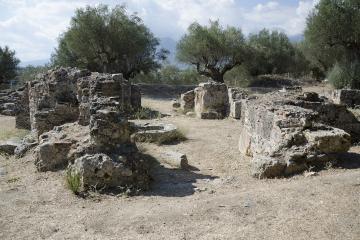
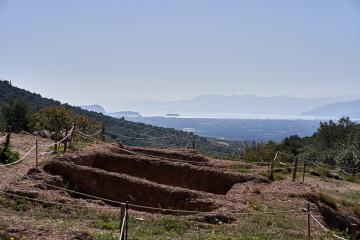
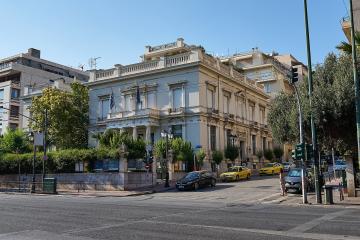
All attractions in Veria
Sorted by our recommendation score
Quick Facts
Book your stay
Frequently Asked Questions
More destinations in Macedonia
Explore other amazing places in the Macedonia region