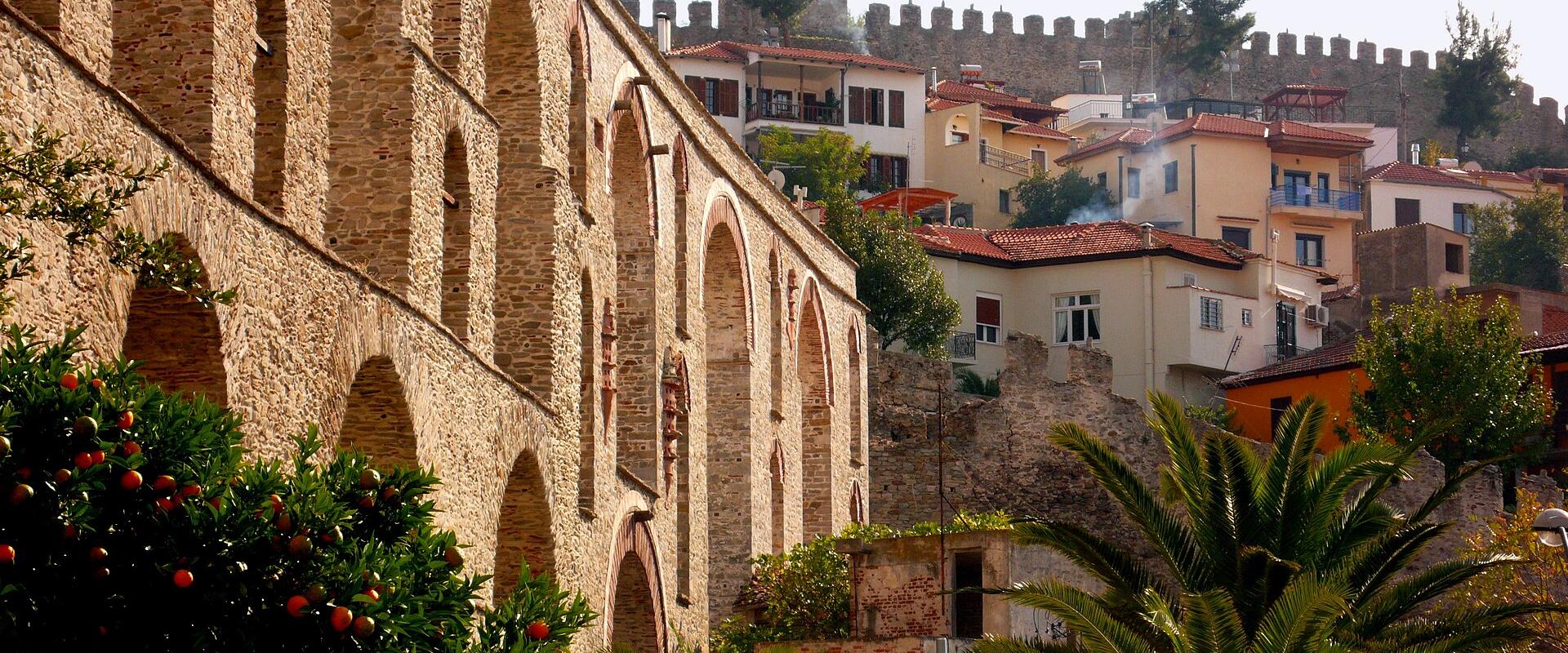
Kavala
Historic Aegean port with Ottoman architecture
History: A Tapestry of Empires
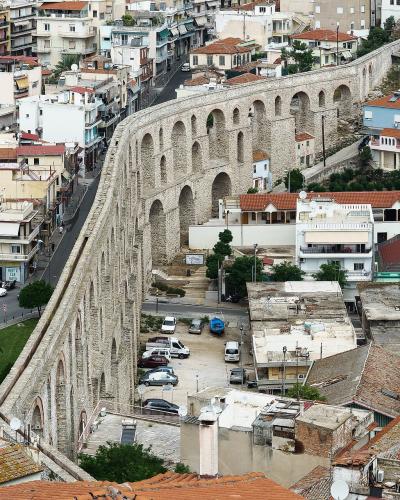
Kavala’s history is a layered narrative of empires, trade, and resilience, rooted in its strategic position on the Aegean Sea. Historically known as Chrysopolis, the city has long served as a crucial crossroads between Europe and Asia. The most significant era in its modern history is defined by the tobacco trade, which earned it the nickname "the city of tobacco." During the late 19th and early 20th centuries, this was a booming industry, attracting merchants and workers from across the region. The Ottoman legacy is still visible in the architecture, particularly in the old town, where Ottoman-style mansions stand as testaments to a time when the region was a hub for trade and cultural exchange. The presence of figures like Ali Pasha, who once governed the region, adds another layer to its complex historical identity.
Main Attractions: Old Town and Coastal Charm
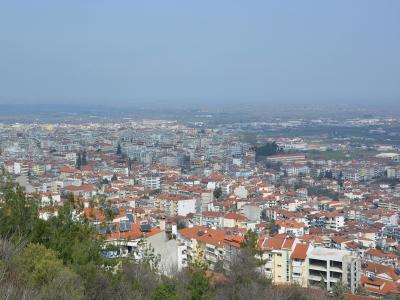
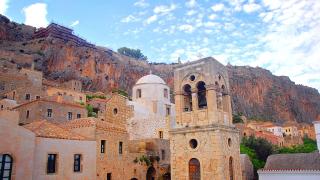
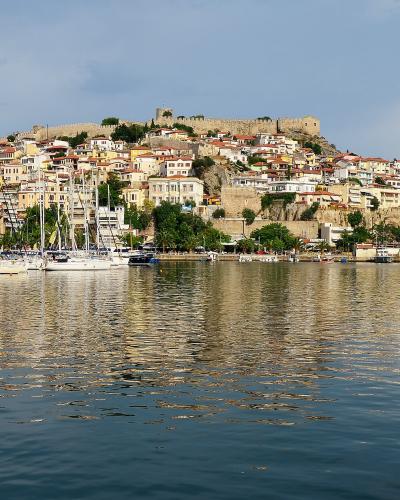
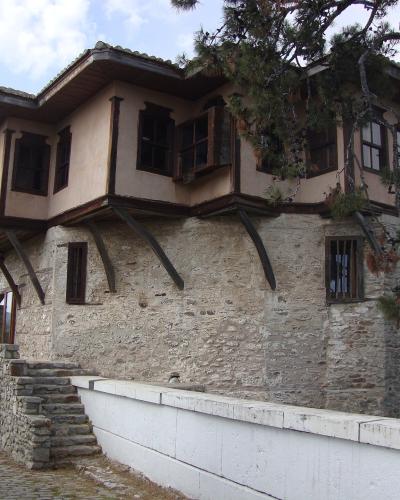
The heart of Kavala is its historic old town, known locally as Panagia. This area is a labyrinth of narrow, cobblestone streets that wind up the hillside, lined with well-preserved Ottoman-era mansions. These buildings, with their distinctive wooden balconies and stone facades, offer a glimpse into the city’s Ottoman past. The main street, Agias Paraskevis, is lined with traditional shops and cafes, inviting visitors to explore at a leisurely pace.
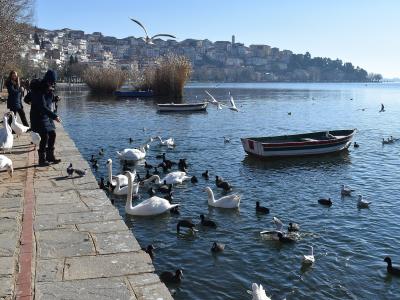
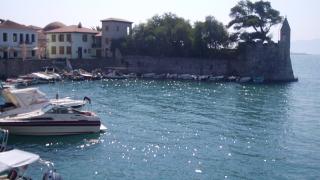
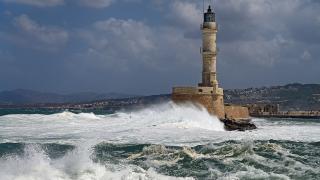
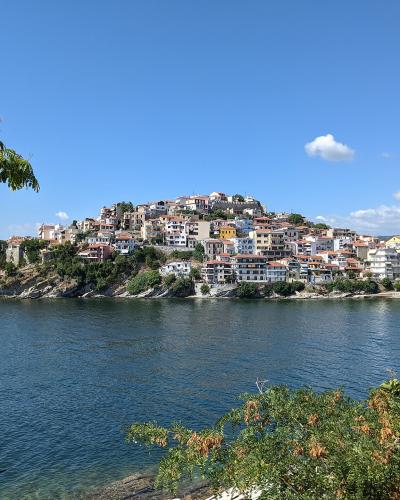
A short walk from the old town leads to the port, where the view of the Aegean Sea opens up. The lighthouse, a prominent landmark, stands as a sentinel over the harbor. From here, visitors can enjoy panoramic views of the Aegean, including the nearby island of Thassos, which is visible on clear days. The contrast between the historic architecture and the expansive sea creates a unique atmosphere that is both serene and vibrant.
Activities: Exploration and Relaxation
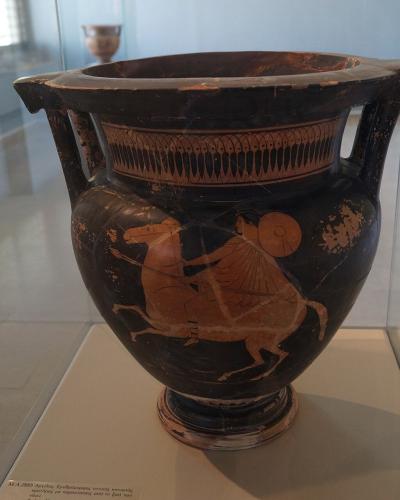
Beyond the historic center, Kavala offers a variety of activities for visitors. The coastal promenade is ideal for a leisurely walk or a jog, offering stunning views of the sea and the city skyline. For those interested in history, a visit to the Archaeological Museum is a must. Housed in a neoclassical building, the museum displays artifacts from the ancient city of Pangaion, including pottery, coins, and inscriptions that provide insight into the region’s ancient past.
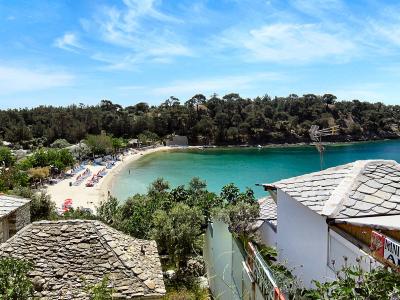
For a more relaxed experience, the local beaches offer a chance to unwind. The sandy beaches near the city are perfect for swimming and sunbathing, with clear waters and soft sand. The local cuisine, featuring fresh seafood and traditional Greek dishes, is another highlight. Visitors can sample local specialties in the many tavernas and restaurants that line the waterfront, offering a taste of the region’s culinary traditions.
Getting There: Accessibility and Transport
Kavala is well-connected by air, road, and sea, making it accessible from various parts of Greece and beyond. The city has its own airport, Kavala International Airport "Alexander the Great," which offers direct flights from Athens and other major European cities during the peak season. This makes it a convenient option for international travelers.
For those traveling by road, Kav is accessible via a well-maintained highway from Thessaloniki, approximately 150 kilometers away. The drive takes about 1.5 to 2 hours, depending on traffic. Renting a car is highly recommended for exploring the surrounding area, including the nearby islands of Thassos and Samothrace, which are accessible by ferry from the port. The ferry service is frequent, especially during the summer months, providing easy access to the islands for day trips or longer stays.
Best Time to Visit: Seasonal Considerations
The best time to visit Kavala is during the spring (April to June) and autumn (September to October) months. During these periods, the weather is warm and sunny, with temperatures ranging from 20°C to 25°C, making it ideal for outdoor activities and sightseeing. The summer months (July and August) are hot and crowded, with higher prices and larger crowds, but also offer the best conditions for beach activities.
Winter in Kavala is mild, with temperatures rarely dropping below freezing. While it is less crowded, some tourist services may have reduced hours. The spring and autumn months are generally recommended for a more comfortable and relaxed experience, allowing visitors to fully enjoy the city’s historical and natural attractions without the crowds.
Best Time to Visit
May through October offers warm, dry weather ideal for exploring the coastal city.
Plan Your Visit to Kavala
Essential travel tips and information for your trip to Kavala.
Suggested Itineraries
One Day in Kavala
1 dayPerfect for a quick visit. See the main highlights and get a taste of local culture.
Extended Kavala Experience
2-3 daysComprehensive exploration including nearby attractions and cultural experiences.
Travel Tips
Currency
EUR • Cards widely accepted
Language
Greek • English in tourist areas
WiFi
Free WiFi in cafes and hotels
Explore Kavala by Interest
Discover attractions and experiences in Kavala organized by your interests and travel preferences.
All attractions in Kavala
Sorted by our recommendation score
Quick Facts
Book your stay
Frequently Asked Questions
More destinations in Macedonia
Explore other amazing places in the Macedonia region