







The Rhythm of Philotimo
Philotimo defines Greek social interaction. It blends honor, duty, and hospitality. This core value shapes daily conduct across the nation. Verbal greetings establish immediate respect. You must say Kalimera in the morning. Use Kalispera for evening encounters. These phrases signal polite engagement. They are mandatory in most settings. Transactional efficiency takes a back seat. Relational connection holds higher priority. Service interactions often involve personal chat. This builds trust before business. The spirit of kefi drives joy. It appears in music and dance. Kefi encourages lively, spontaneous interaction. It transforms simple meals into events. Dining lasts for hours, not minutes. Tables fill with conversation and laughter. Refusing hospitality may cause offense. Accepting a drink shows respect. This custom strengthens community bonds. Understanding philotimo ensures smoother visits. It guides behavior in villages and cities alike. Respect these traditions to connect deeply. Ignoring them may seem rude. Embracing them reveals the true Greek character. This mindset underpins all cultural exchanges.
Sacred Spaces and Dress Codes
Greek Orthodox churches require modest attire. Shoulders and knees must remain covered at all times. This rule applies strictly to all visitors, regardless of gender. Men and women must dress identically in modesty. Wear loose trousers or long skirts. Avoid sleeveless tops, short shorts, or mini-skirts. If your current clothing is insufficient, carry a large scarf. Use the scarf to cover shoulders or wrap around the waist. This simple accessory ensures immediate compliance with local norms. The gesture shows deep respect for local religious traditions. It is a standard practice for all tourists. Some monasteries provide coverings at the entrance. However, relying on this is risky. Always carry your own modesty cover. Removing shoes is required in specific monastic areas. Check for signs indicating shoe removal. Most standard churches do not require this. Adhering to these simple rules is essential. It demonstrates respect for local culture. It ensures a smooth and respectful visit. You will be welcomed warmly for your consideration. This small effort bridges cultural gaps effectively. It is a key part of Greek etiquette. Always prioritize modesty when entering sacred spaces. This simple act honors local traditions deeply.
Dining Etiquette and Tipping
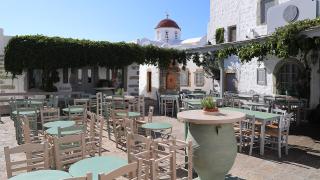
Greek dining is a leisurely, communal affair. Meals are leisurely, not rushed. The pace is slow and deliberate. Dishes are shared among the entire table. This reflects the deep value of philotimo. Food is a primary gesture of hospitality. You must accept this generous offering. Tipping norms differ significantly from the US. A 5 to 10 percent tip is standard. It is not a 20 percent obligation. Service charges are often included in bills. Check the bill for included service fees. If included, additional tipping is optional. If not included, leave a small tip. This gesture shows appreciation for service. It is a standard social expectation. Waitstaff rely on these tips for income. Always carry small change for extra service. This is a practical necessity in Greece. The culture values personal connection over speed. Dining is a social, not transactional, act. Respect the local rhythm of the meal. Do not rush the end of the meal. The experience is as important as the food. Accept the hospitality with grace and gratitude. This is the core of Greek tradition.
Greeks value direct, warm social engagement. A firm handshake is the standard greeting for men. Women often kiss both cheeks, starting with the left. This gesture signals genuine friendliness and respect. Eye contact is essential during these introductions. It demonstrates sincerity and open interest. Greeks appreciate directness in initial conversations. Do not avoid personal questions immediately. Inquiries about family, work, and origins are standard. They build rapport and show genuine interest. However, avoid sensitive political topics initially. Greek politics are complex and deeply personal. Discussing them too early can cause tension. Instead, focus on shared human experiences. Food, family, and local history are safe topics. Greeks take pride in their heritage. They appreciate visitors who show genuine interest. Warmth is a key component of Greek social interaction. Do not be surprised by animated gestures. Loud voices are often a sign of enthusiasm, not anger. Greeks value expressive communication. They view silence as awkward or suspicious. Engage actively in the conversation. Show interest in local traditions and customs. This openness is highly valued. Greeks appreciate visitors who make an effort to connect. They view hospitality as a sacred duty. Respond to this warmth with equal openness. Build trust through consistent, respectful interaction. This approach fosters genuine, lasting connections with locals. It enhances the overall travel experience significantly.
Greet shopkeepers with a polite 'Kalos' before asking questions. This gesture establishes immediate respect and opens the transaction. Always maintain a calm, patient demeanor during exchanges. Bargaining is acceptable in open-air markets and small local shops. It is generally inappropriate in chain stores or supermarkets. Use 'Parakalo' (please) and 'Efharisto' (thank you) frequently. These phrases demonstrate respect for local customs and staff. Tipping is appreciated but not strictly mandatory in all contexts. A small tip for good service is a standard courtesy. Remain polite and patient if transactions take longer than expected. Rushing staff is considered rude and disrupts the social flow. Focus on clear, simple communication to avoid misunderstandings. Respect the local pace of business and social interaction.
Key Cultural Takeaways
Philotimo remains the core of Greek social interaction. It blends honor, duty, and deep hospitality. This value shapes all daily conduct across the nation. You must respect local customs strictly. Modest attire is required in all churches. Shoulders and knees must remain covered at all times. This rule applies to all visitors, regardless of gender. Dining is a leisurely, communal affair. Meals are slow and deliberate. Dishes are shared among the entire table. This reflects deep respect for community. Greeks value direct, warm social engagement. A firm handshake is the standard greeting. Women often kiss both cheeks, starting with the left. This gesture signals genuine friendliness and respect. Always maintain a calm, patient demeanor. Avoid heated debates or political controversy. Patience is essential in daily interactions. Respectful cultural immersion enhances the travel experience. Engage with locals through polite, open dialogue. This approach fosters genuine connection and mutual understanding. It ensures a respectful and enriching visit to Greece.