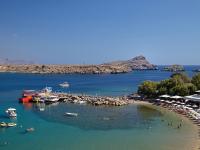
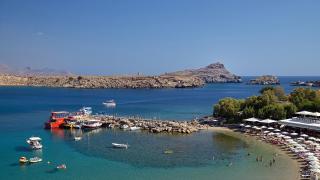


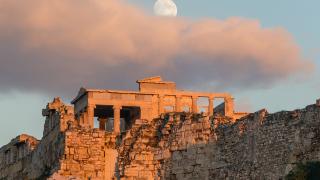
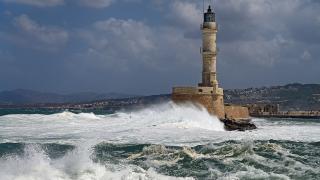


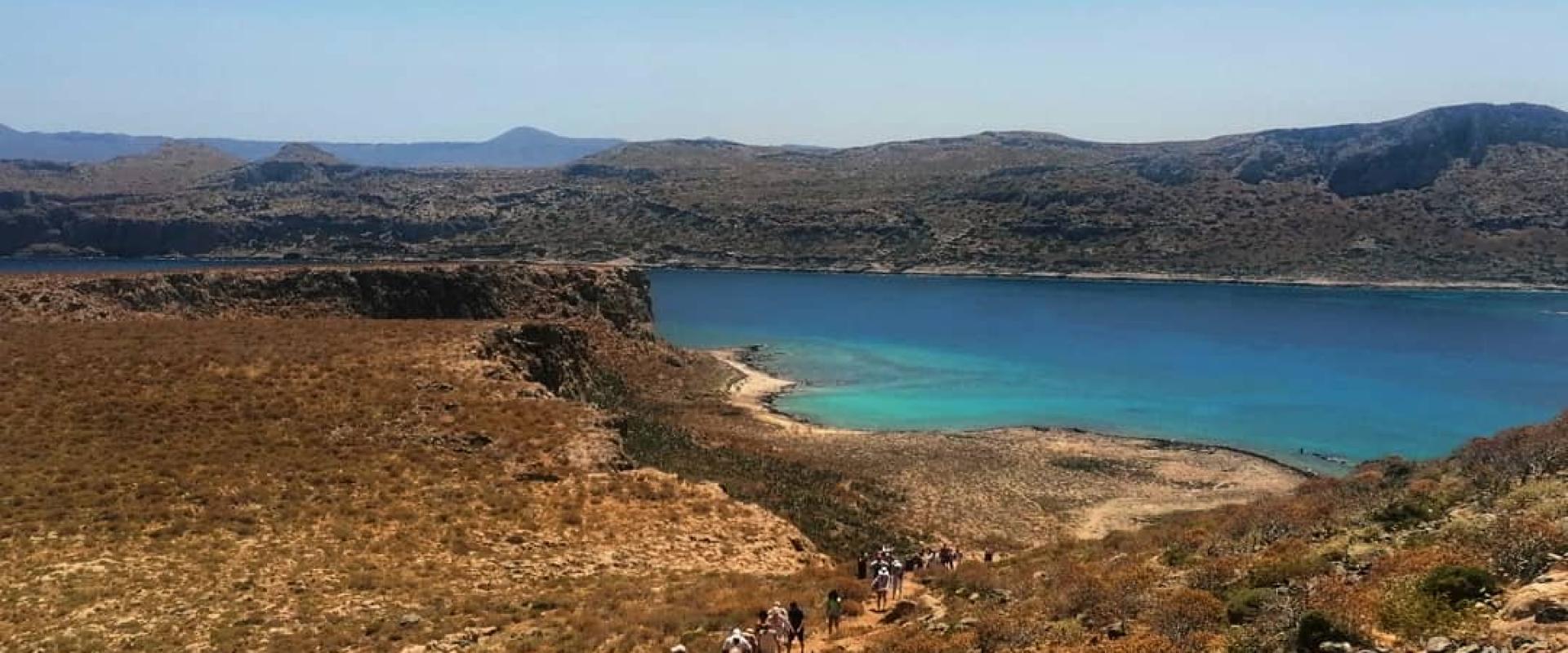
Greece’s terrain is defined by rugged, mountainous topography. The landscape features steep slopes and deep gorges. Hikers must navigate uneven, rocky ground. Trails often follow ancient, narrow paths. These routes require careful footing and attention. The terrain varies significantly by region. Coastal cliffs drop sharply into the sea. Inland, high mountains rise above the landscape. This topography creates diverse hiking conditions. Trail difficulty depends on local geology. Steep ascents demand physical endurance and preparation. Hikers should plan routes based on terrain. Marked paths help guide navigation through complex terrain. However, trails can be challenging in remote areas. Proper gear is essential for safety. Sturdy boots provide necessary support on rough ground. Sun protection is critical during hot, dry months. Hikers must carry ample water for the journey. The environment is often dry and exposed. Understanding local terrain characteristics is essential for safety. Hikers should respect the natural landscape. Staying on marked paths protects fragile ecosystems. This approach preserves the natural beauty of the region. Hikers should be prepared for variable conditions. The terrain can change quickly in mountainous areas. Careful planning ensures a safe and enjoyable experience. Hikers should always check local trail conditions. This practice helps avoid unexpected hazards on the trail.
Seasonal Considerations
Spring and autumn offer the optimal conditions for hiking in Greece. The climate is mild, making trails accessible and safe. Summer heat requires strict caution. Hikers must start early to avoid peak sun. Hydration is critical during these high-temperature months. Summer trails demand extra water and sun protection. Winter conditions introduce different challenges to the terrain. Cold weather gear becomes essential for safety. Hikers must prepare for potential ice or rain. The landscape changes significantly with the seasons. Spring brings blooming flora to the rugged paths. Autumn offers clear skies and comfortable temperatures. Both seasons provide ideal conditions for exploration. Summer requires strict adherence to safety protocols. Hikers must carry ample water in the heat. Winter hiking requires specialized cold-weather gear. Caution is necessary on icy or wet paths. Planning is essential for a safe experience. Always check local weather forecasts before starting. The terrain in Greece is diverse and rugged. Trail conditions can change rapidly with the weather. Hikers must remain vigilant and prepared at all times. The natural beauty is best enjoyed in mild weather. Spring and autumn are the best times to visit. Summer is suitable for early morning starts. Winter requires extra preparation and caution. Always prioritize safety over speed on the trail.
Greek trails use specific color-coded markers for navigation. Hikers must stick to marked paths to preserve nature. The landscape features rugged, mountainous terrain. Trails often follow ancient, narrow paths. Local authorities maintain these routes carefully. Hikers should carry a detailed map as backup. Mobile signal is often limited in remote areas. GPS devices provide essential backup navigation support. The agency Hike Greece manages many trails. They survey and restore over 2,000 kilometers of paths. This ensures accurate trail markers for visitors. Always check local conditions before starting a hike. The terrain can be challenging and uneven. Proper preparation is essential for a safe journey. Trust local knowledge when navigating remote areas. Local guides offer valuable insights into the terrain. Their experience helps navigate difficult sections safely. Always carry water and sun protection. These items are critical for safety in the heat. Plan your route carefully before starting the hike. Consider the physical demands of the trail. Choose a route that matches your fitness level. Always inform someone of your planned route. This ensures help is available if needed. Greek hiking offers a unique, rewarding experience. It requires careful planning and attention to detail. Respect the environment and local customs. This ensures the preservation of natural beauty. Hiking in Greece is a rewarding endeavor. It requires a willingness to embrace challenges. The journey offers unique cultural and natural insights. Always prioritize safety and respect for nature.
Permits and Regulations
Hikers must respect strict regulations in Greek protected areas. National parks require specific permits for access. These rules protect fragile ecosystems from overuse. Hikers must stay on marked trails at all times. Straying off paths damages local flora and wildlife. The environment is delicate and easily disturbed. Visitors must adhere to local environmental guidelines strictly. Fire restrictions are critical during the dry summer months. Open flames are often prohibited in dry zones. Hikers must carry adequate water and sun protection. Gear must be suitable for rugged, rocky terrain. Planning is essential for a safe, legal experience. Always check current local regulations before starting a hike. Compliance ensures the preservation of Greece’s natural beauty for future visitors. Adherence to these rules is mandatory for all trail users.
Essential Gear and Safety
Sturdy, broken-in hiking boots are essential for rugged Greek terrain. The ground is often uneven and rocky. Lightweight, breathable clothing ensures comfort in the Mediterranean heat. Sun protection is critical. Apply high-SPF sunscreen frequently. Wear a wide-brimmed hat for shade. Natural water sources are scarce in many regions. Carry ample water for the entire hike. Do not rely on finding streams. A comprehensive first-aid kit is recommended for safety. Include bandages and antiseptic wipes. Maps or GPS devices are necessary despite marked trails. Lycabettus Hill in Athens offers a notable starting point. It is the second tallest point in the Athenian basin. Hikers must stick to marked paths to preserve nature. This protects fragile ecosystems from disturbance. Proper gear prevents injury on steep slopes. Preparation ensures a safe and rewarding journey.