


The Acropolis and Athenian Treasures
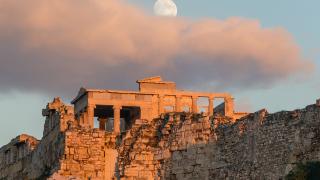
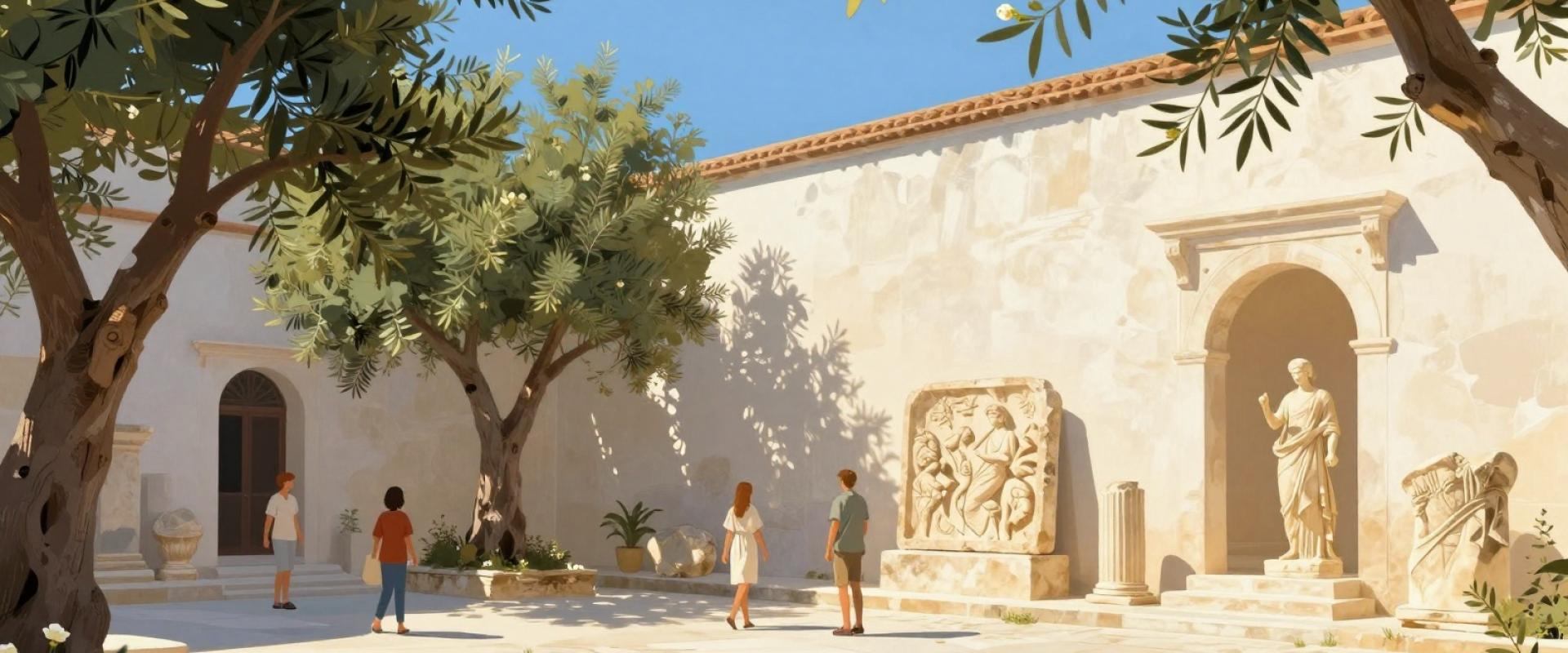
The Acropolis Museum stands as a modern architectural landmark. Its glass structure allows natural light to illuminate artifacts. This design highlights the connection between ancient and modern Athens. The museum houses over 4,000 objects from the Acropolis slope. These artifacts provide essential context for ancient Greek history. The collection includes the famous Caryatids from the Erechtheion. These marble figures represent the pinnacle of Attic sculpture. The National Archaeological Museum offers a comprehensive view of Greek art. It holds the world’s most significant collection of Greek antiquities. The Mask of Agamemnon is a key exhibit here. This gold mask reveals details of Mycenaean civilization. It dates back to the 16th century BC. The mask provides insight into Bronze Age elite culture. These institutions preserve the material heritage of ancient Greece. They serve as primary sources for understanding classical antiquity. Visitors can view original artifacts in controlled environments. The collections offer direct access to ancient craftsmanship. This approach ensures the preservation of cultural heritage. The museums serve as educational centers for the public. They bridge the gap between ancient history and modern life. The artifacts provide tangible evidence of ancient Greek society. This context is essential for understanding Western cultural roots.
Byzantine and Byzantine Heritage
The Byzantine and Byzantine Museum offers an unparalleled sanctuary for the preservation and appreciation of sacred art, serving as a vital repository for the region's spiritual heritage. The collection is anchored by a remarkable array of religious artifacts, spanning from the early 4th century to the 19th century, capturing the evolution of Christian iconography over more than a millennium. Visitors are invited to explore intricate icons and delicate mosaics, each piece reflecting the profound theological depth and artistic mastery of the Byzantine era. This dedicated museum setting provides a unique, contemplative environment, allowing viewers to engage deeply with the spiritual and cultural nuances that have shaped Eastern Christian tradition. By isolating these treasures, the museum highlights the intricate details of gold leaf, vibrant pigments, and symbolic imagery, offering a profound insight into the spiritual evolution of the region. This curated experience not only preserves ancient craftsmanship but also invites a reflective journey through the enduring legacy of faith and artistry.
Regional and Island Collections
The Heraklion Archaeological Museum holds significant Minoan artifacts. This collection highlights the unique history of Crete. The Palace of Knossos provides essential context. Its artifacts reveal the structure of Minoan civilization. These items offer insight into ancient social structures. The Archaeological Museum of Thessaloniki offers a different view. It presents a comprehensive overview of regional history. This approach captures the specific character of the north. Regional museums provide deep local cultural context. They preserve unique local traditions and artifacts. These collections offer a granular view of history. They detail specific local customs and daily life. This granularity enhances the understanding of local culture. It provides a more intimate historical perspective. Visitors gain a deeper understanding of local heritage. This focus on local detail enriches the experience. It highlights the diversity within the national narrative. Each region contributes a unique historical perspective. This diversity strengthens the overall historical understanding. The local museums preserve the specific local identity. They document the unique local traditions and history. This preservation is vital for cultural continuity. The local artifacts provide a tangible link to the past. They anchor the historical narrative in specific places. This connection deepens the appreciation of local heritage. The local museums serve as vital cultural anchors. They preserve the unique local identity and history. This preservation is essential for cultural continuity. The local artifacts provide a tangible link to the past. They anchor the historical narrative in specific places. This connection deepens the appreciation of local heritage.
Contemporary Art and Modern Galleries
The Goulandris Museum of Contemporary Art is a key cultural institution. It is located in the heart of Athens. The museum features a diverse collection of Greek and international art. This collection includes works by prominent Greek artists. It also features international contemporary artists. The collection spans various media, including painting and sculpture. Installation art and video art are also represented. This diversity reflects the dynamic nature of modern art. The museum plays a vital role in the local art scene. It promotes the work of Greek artists to a global audience. The collection provides a unique perspective on Greek artistic heritage. It highlights the connection between local traditions and global trends. The museum serves as a bridge between Greek and international art. It fosters dialogue between different cultural perspectives. This environment supports the growth of the local art community. The museum is a vital hub for artistic exchange. It showcases the richness of Greek contemporary culture. The collection is open to the public for study. It offers a deep dive into modern artistic expression. The museum is a key destination for art enthusiasts. It is an essential stop for cultural exploration in Athens.
Practical Visitor Information
Most Greek museums close on Mondays. Plan your itinerary around this standard closure. Many sites offer discounted entry for students. Seniors often receive similar reduced admission rates. EU citizens may also qualify for specific discounts. Always verify current pricing before your visit. Online booking is highly recommended for major sites. This is especially true during the peak summer season. Advance booking ensures entry and saves time. General admission fees are generally affordable. However, special exhibitions may carry extra charges. Respect all museum rules strictly. Do not touch ancient artifacts or displays. Flash photography is often prohibited inside galleries. These rules protect fragile historical artifacts. Staff members are usually present to assist. They can provide guidance on specific exhibits. Always check for temporary closure notices. Special events may occasionally alter opening hours. Check the official website for the latest updates. This ensures a smooth and respectful visit. Plan to spend at least one hour per major site. This allows time to view key artifacts. Take time to appreciate the detailed craftsmanship. Greek museums offer a deep historical perspective. They provide essential context for the ancient ruins. This enhances the overall cultural experience significantly.