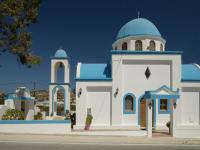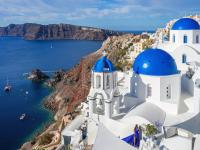
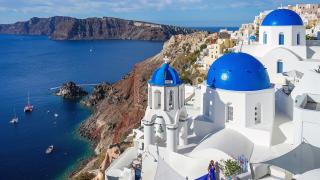

Greek infrastructure presents specific physical constraints. Narrow streets in historic islands like Mykonos and Santorini are common. Steep, uneven stone stairs often replace paved roads. These paths are difficult to navigate with large, rigid luggage. Hard-shell suitcases are impractical for these tight, cobblestone environments. Ferries also impose strict storage limitations. Deck space is limited, and overhead bins are small. You must prioritize compact, soft-sided bags. Soft materials compress easily, fitting into tight storage nooks. This approach ensures mobility and ease of transport. You can navigate steep stairs without struggling with bulky frames. The goal is minimal, flexible luggage. This strategy aligns with the local infrastructure. It allows for smooth transit between islands. You avoid the hassle of oversized bags. Focus on lightweight, compact gear. This approach suits the Greek travel environment. It ensures a smoother, more efficient trip. You will navigate the terrain with ease. The constraint is real, but manageable. Choose wisely to enhance your travel experience.
The Mediterranean Climate Strategy
Greek summers are hot and dry. The climate is distinctively Mediterranean. Temperatures rise significantly during the day. Heat is the primary condition to manage. The meltemi wind provides essential relief. This northern wind cools the Aegean Sea. It is most effective in the evening. Temperatures drop as the sun sets. Layered clothing is necessary for these changes. Pack lightweight, breathable fabrics like linen. Cotton is also suitable for the heat. A light jacket is essential for evenings. The air cools rapidly after sunset. Wear layers to adjust to the drop. This strategy ensures comfort in all conditions. Versatile clothing handles the daily temperature shifts. It is the most practical approach. You will need adaptable attire for travel. The climate demands flexible wardrobe choices. Pack items that serve multiple purposes. This approach minimizes luggage weight. It is the most efficient strategy. Greek islands require versatile, layered clothing. The heat is intense but manageable. The evening breeze provides necessary relief. Layering is the key to comfort. This strategy addresses the specific climate. It is the best approach for Greece.
Footwear for Terrain and Tradition
Greek islands feature uneven, cobblestone streets. These paths are often steep and uneven. Sturdy walking shoes are essential for navigation. Trail runners provide necessary grip on loose stone. The terrain is rugged and unforgiving. Flip-flops are essential for beach access. Wear them to local tavernas and beaches. Flip-flops are unsuitable for long walks. They lack support for ancient stone steps. Comfort is critical for daily exploration. Choose lightweight, breathable footwear for hot days. Avoid heavy boots in summer heat. Sandals are ideal for casual evening wear. Ensure all footwear is comfortable for walking. Greek streets are not paved with asphalt. Stone surfaces require stable, grippy soles. Pack versatile shoes for varied terrain. Flip-flops are necessary for beach excursions. Sturdy shoes are necessary for historical sites. Balance comfort with durability in your selection. Greek infrastructure demands practical, supportive footwear.
Cultural Respect and Modesty
Greek religious sites enforce strict modest dress codes. Visitors must cover shoulders and knees at all times. This rule applies to all monasteries and churches. Pack lightweight, loose-fitting clothing for entry. A lightweight scarf or sarong is essential. Use it to cover shoulders or knees when needed. This simple item ensures access to sacred sites. Respecting local religious customs is mandatory. Greek culture values modesty in religious spaces. Ignoring these norms causes offense. Pack items that respect these sensitivities. Avoid revealing attire when visiting holy places. This practice honors local traditions. It demonstrates cultural awareness and respect. Ensure your packing list includes appropriate coverage. This ensures a respectful and smooth experience throughout your visit to Greece.
Essential Accessories and Utilities
The Mediterranean sun demands high-SPF sunscreen. UV intensity is extreme in Greece. Apply SPF 50+ frequently. A wide-brimmed hat protects your face. Polarized sunglasses reduce glare on the Aegean Sea. Stay hydrated with a reusable water bottle. Tap water is safe in Athens. Island water varies. Refill bottles at public fountains. Reduce plastic waste. Greece enforces strict recycling rules. Carry a portable power bank. Outlets are Type C or F. Voltage is 230V. Devices drain quickly during navigation. A canvas tote bag handles daily needs. Use it for market purchases. It fits into small island streets. Avoid heavy luggage. Walk easily on cobblestones. The tote holds sunscreen and water. It is lightweight and durable. This approach minimizes strain. It aligns with local sustainability efforts. Greek islands limit waste disposal. Pack light to move freely. This strategy ensures comfort. It respects local infrastructure constraints. You remain mobile and unburdened. This is essential for exploration.